21 Multicolor Backsplash Ideas That Are Stylish and Practical

- Watercolor-Inspired Ceramic Tile
- Moroccan Zellige Tile in Mixed Hues
- Mosaic Glass Tile in Jewel Tones
- Vintage-Style Encaustic Cement Tile
- Herringbone Pattern with Two-Tone Tile
- Color-Blocked Subway Tile
- Terracotta and Cream Checkerboard
- Ombre Tile Wall
- Reclaimed Look Tile in Muted Tones
- Hand-Painted Talavera Tile Accents
- Geometric Patchwork Tile
- Blue and White Portuguese Azulejo Tile
- Multicolor Fish Scale Tile
- Stacked Brick Tile in Layered Colors
- Confetti-Style Mosaic Tile
- Sunset-Inspired Gradient Glass Tile
- Multicolor Penny Round Tile
- Bold Color-Drenched Accent Wall
- Layered Neutral and Bright Combo Tile
- Multicolor Marble-Look Porcelain Tile
- DIY Painted Tile with Multicolor Stencils
Reconciled conflicting formatting rules to structure listicle appropriately
21 Multicolor Backsplash Ideas That Are Stylish and Practical
If you’ve been staring at a plain white or beige backsplash for years, you already know how much it can hold a kitchen back. A multicolor backsplash is one of those upgrades that instantly makes a kitchen feel more custom without requiring a full renovation. It adds personality, hides small splatters and stains better than a single flat color, and gives you a chance to bring your countertops, cabinets, and decor together in one cohesive look.
Below are 21 multicolor backsplash ideas that work for different budgets, kitchen styles, and skill levels, whether you’re hiring a pro or tackling a weekend DIY project.
Watercolor-Inspired Ceramic Tile
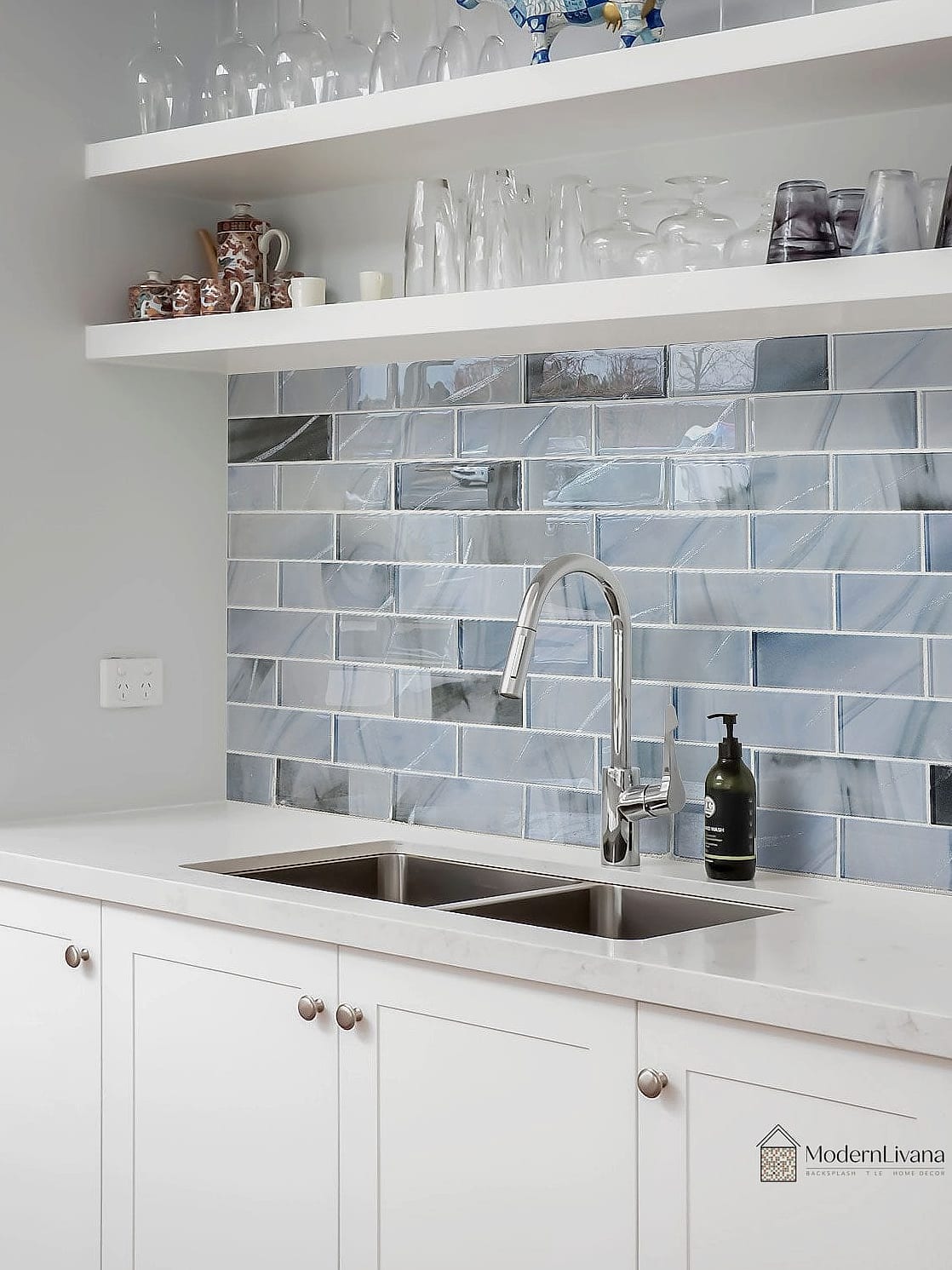
This look uses ceramic tiles with soft, blended color variations that mimic a watercolor painting. Each tile is slightly different, so the wall never feels flat or repetitive.
It works especially well in cottage-style or coastal kitchens where you want color without hard edges. Homeowners love it because it feels artistic but still calm enough for everyday cooking.
Grout lines stay thin and neutral so the color does the talking. Maintenance is easy since glazed ceramic wipes clean without much effort.
Moroccan Zellige Tile in Mixed Hues
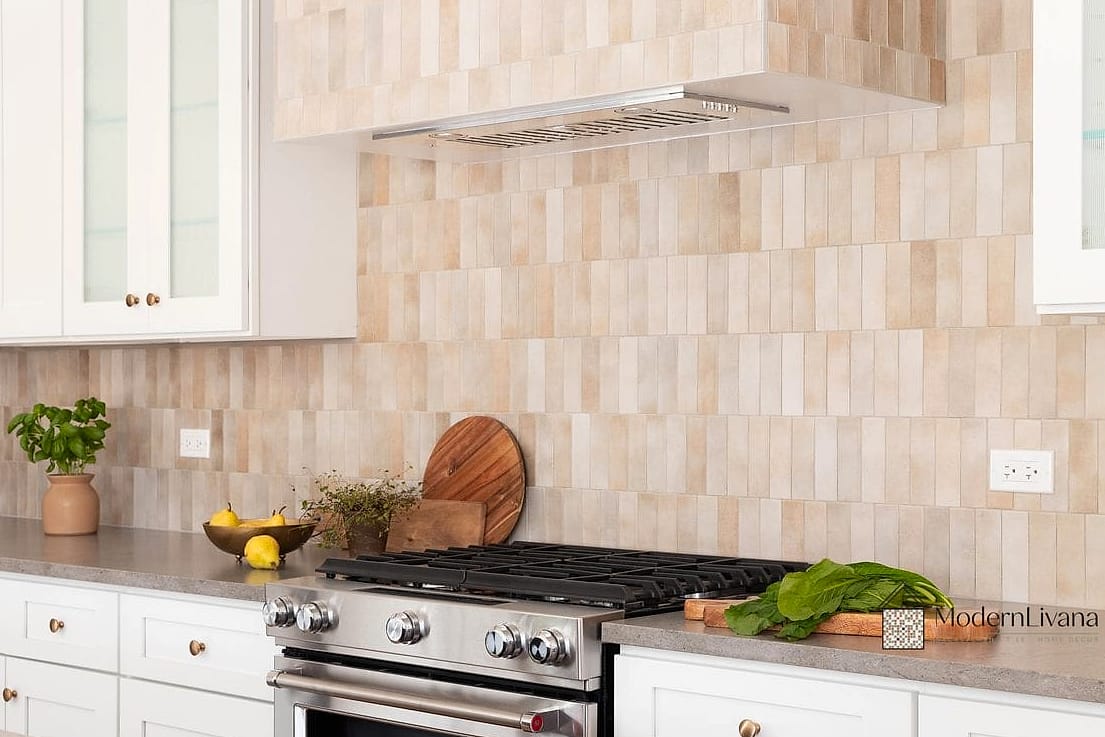
Zellige tile brings texture and imperfection in the best way, with each handmade piece reflecting light a little differently. Mixing two or three complementary colors, like terracotta, sage, and cream, creates a rich, layered backsplash.
This style shines in kitchens with warm wood tones or brass hardware. It’s a bit of a splurge material-wise, but even a small accent strip delivers a big visual impact.
Sealing is recommended since zellige is more porous than standard ceramic. It’s not the easiest DIY project, so many people bring in a tile setter for this one.
Mosaic Glass Tile in Jewel Tones

Small glass mosaic tiles in emerald, sapphire, and amethyst tones catch light beautifully, especially near a window or under cabinet lighting. This is a favorite for people who want drama without covering an entire wall.
It works great as a focal point behind a stove or sink. Glossy glass finishes are simple to wipe down, though grout can require occasional scrubbing since mosaic sheets have more grout lines per square foot.
Budget-friendly peel-and-stick versions exist too, making this an approachable weekend project.
Vintage-Style Encaustic Cement Tile
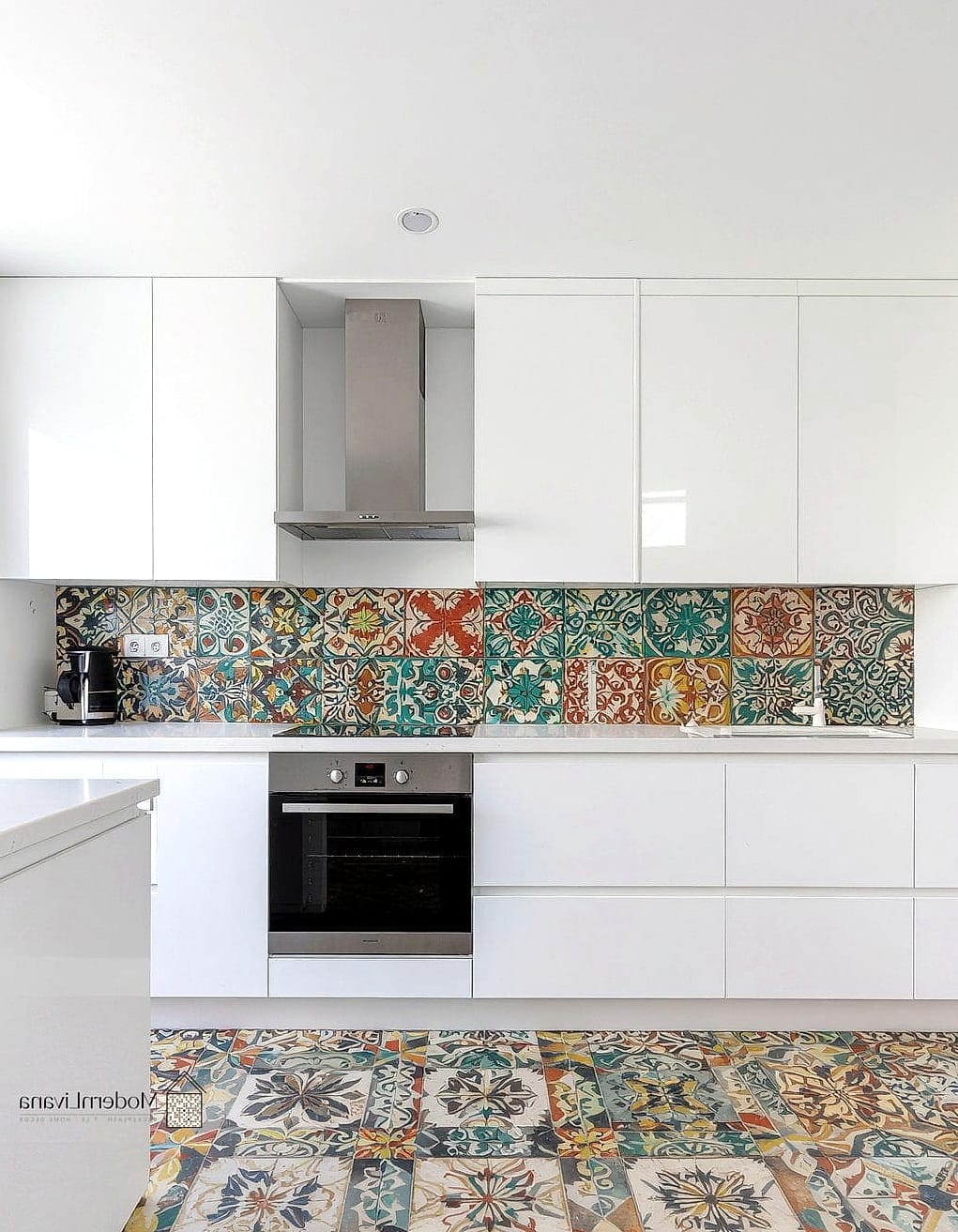
Encaustic tiles feature bold patterns in multiple colors, often navy, mustard, and terracotta layered together. They bring an old-world, almost European bakery feel to a kitchen.
This style pairs nicely with open shelving and butcher block counters. Cement tile does need sealing to resist stains, and it’s a bit heavier to install than ceramic, so professional installation is usually worth it.
For a renter-friendly alternative, printed vinyl versions replicate the look convincingly.
Herringbone Pattern with Two-Tone Tile

Alternating two colors, like soft blue and white or blush and cream, in a herringbone layout creates movement without overwhelming the space. The pattern itself does a lot of visual work, so you don’t need many colors to make an impact.
This is ideal for narrow kitchens where you want the eye drawn horizontally. It’s moderately DIY-friendly, though the angled cuts take patience.
Cleaning is straightforward with any glazed tile, and the pattern hides minor smudges well.
Color-Blocked Subway Tile

Instead of a single-color subway tile wall, try blocking out sections in different shades, maybe a soft green behind the stove and a warm white elsewhere. This creates zones in the kitchen without needing structural changes.
It’s a great option for open-concept kitchens where the backsplash needs to visually separate the cooking area from the rest of the space. Subway tile is one of the most budget-friendly and DIY-friendly options out there, so this is an easy entry point into multicolor design.
Terracotta and Cream Checkerboard
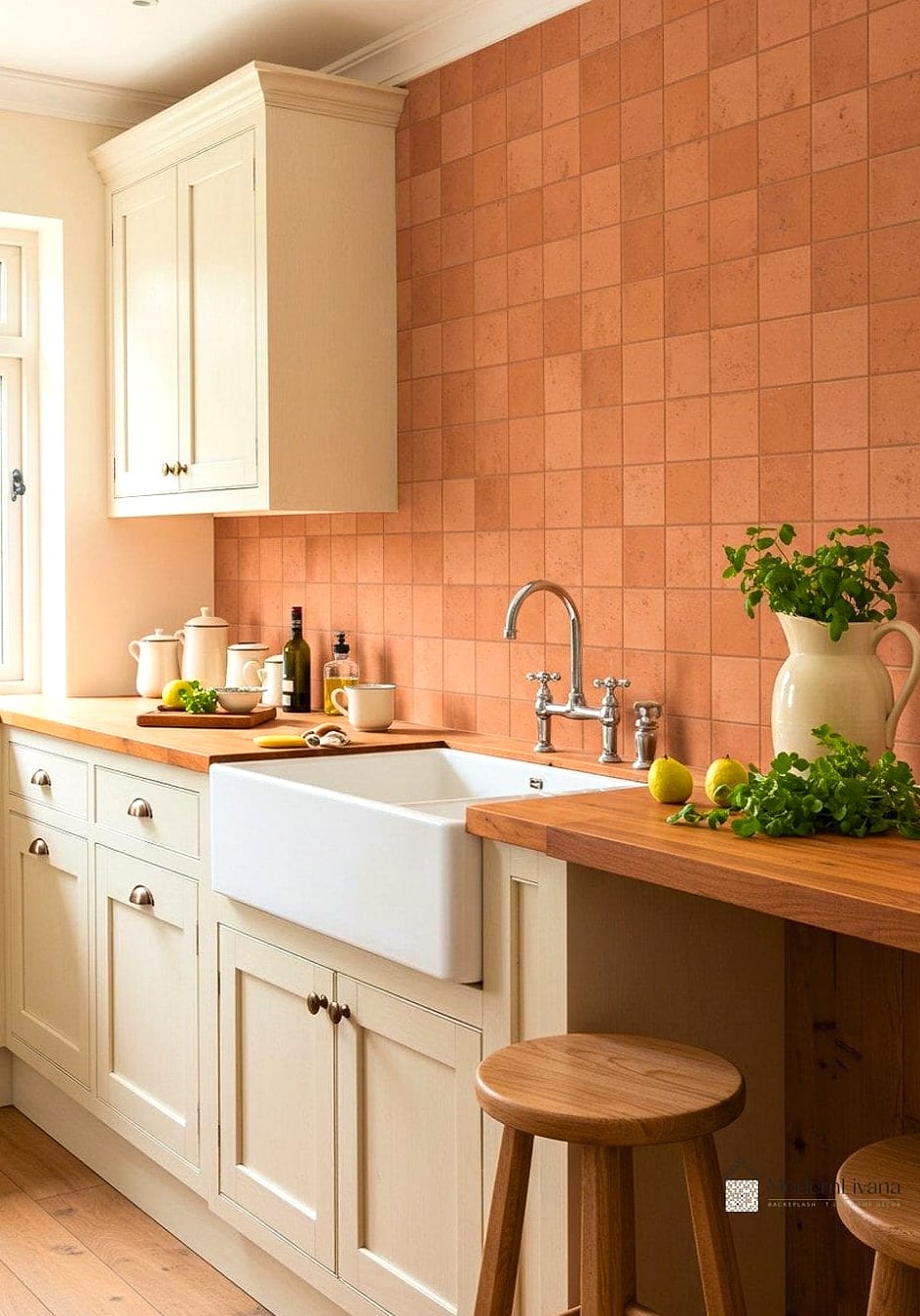
A checkerboard pattern using warm terracotta and creamy white tiles brings a playful, retro energy to a kitchen. It works surprisingly well in both modern farmhouse and Mediterranean-inspired spaces.
This pattern draws the eye and can make a small kitchen feel more dynamic. Matte finishes on terracotta tiles hide fingerprints and water spots better than glossy options, which is a nice practical bonus.
Ombre Tile Wall
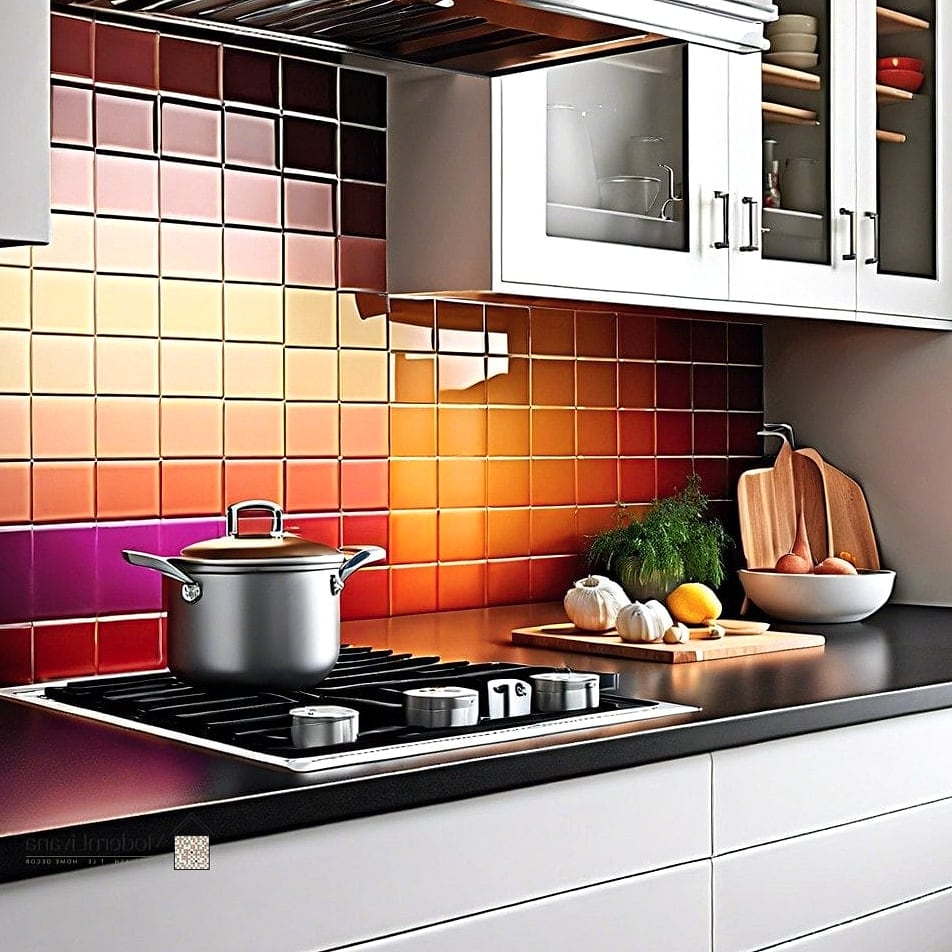
Ombre backsplashes transition from one color to another, often light to dark, across the wall. Blues fading into greens or pinks fading into oranges are popular combinations.
This works best on a larger, uninterrupted wall so the gradient has room to breathe. It’s a striking focal point that doesn’t require much additional decor since the tile itself is the statement.
Installation takes some planning to get the transition smooth, so this is one where a professional tile layout diagram helps.
Reclaimed Look Tile in Muted Tones
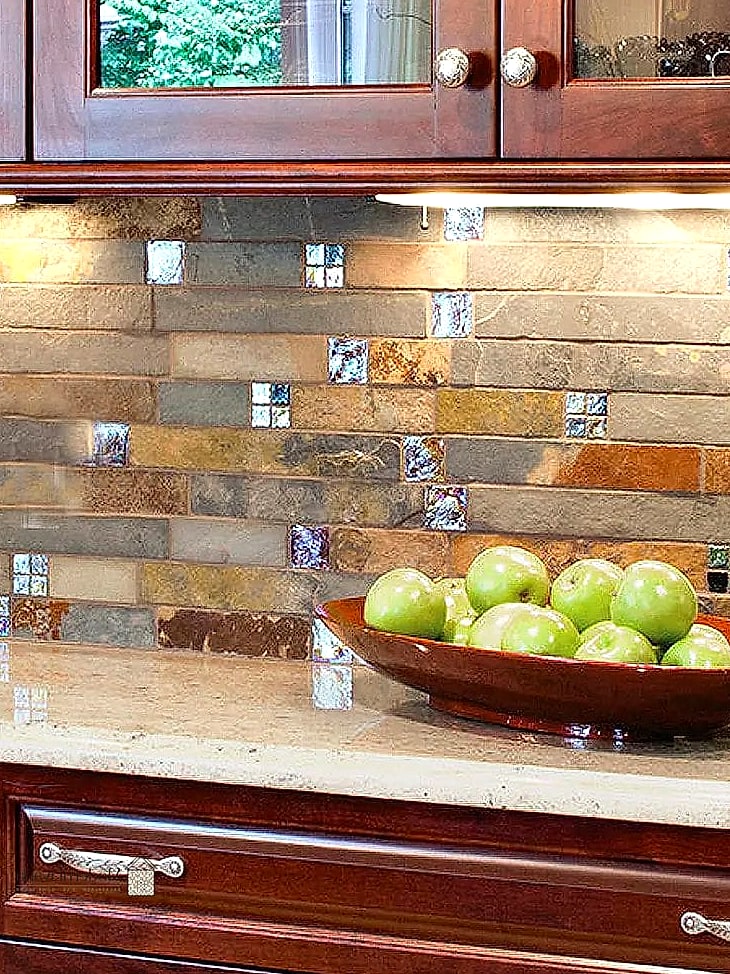
Tiles designed to look weathered and reclaimed, in muted blues, greens, and grays, bring character to farmhouse and rustic kitchens. Each tile looks slightly different, so the wall has natural variation built in.
This pairs beautifully with open shelving, wood accents, and vintage-style hardware. It’s forgiving when it comes to hiding water spots or minor stains, which makes it a practical choice for busy family kitchens.
Hand-Painted Talavera Tile Accents

Talavera tiles from Mexican pottery traditions feature intricate patterns in blues, yellows, and reds. Rather than covering the whole wall, many homeowners use these as accent tiles scattered among plain field tile.
This is a great way to add serious color without it becoming too busy. It’s especially popular in Southwestern and eclectic kitchens.
Because the accents are hand-painted, expect slight color variation between pieces, which only adds to the charm.
Geometric Patchwork Tile

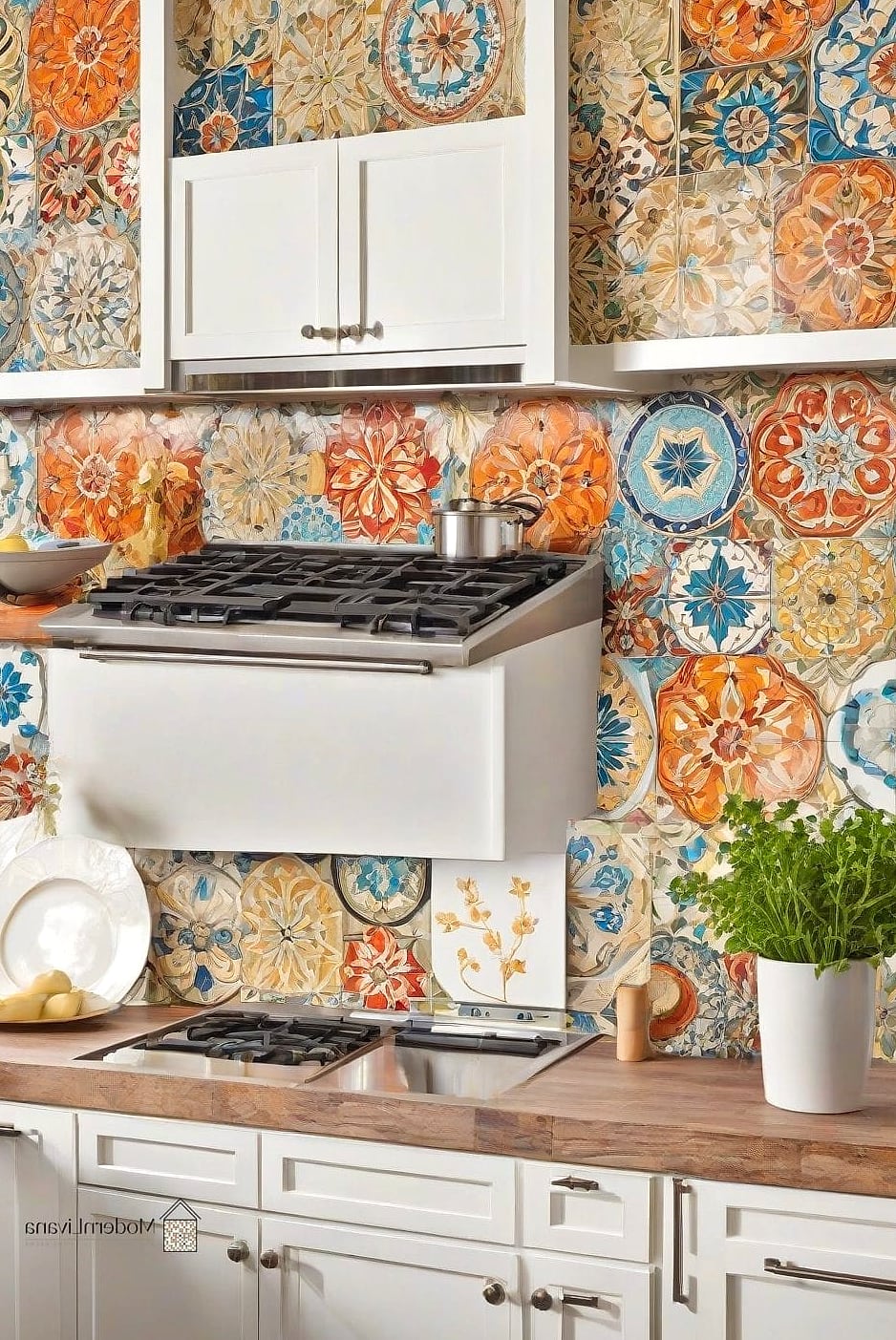
Patchwork tile mixes multiple patterns and colors in a deliberately mismatched layout, almost like a quilt on your wall. Florals, geometrics, and solids all sit side by side.
This works best for people who want a maximalist, eclectic kitchen and aren’t afraid of bold choices. It pairs well with simple white cabinets so the backsplash doesn’t compete with too much else.
Peel-and-stick patchwork options make this achievable even for renters or first-time DIYers.
Blue and White Portuguese Azulejo Tile

Azulejo-style tiles feature intricate blue and white patterns inspired by Portuguese ceramics. They bring old-world charm and work particularly well in kitchens with white or navy cabinetry.
This style feels formal and elegant without being cold. Glazed finishes make cleanup simple, and the pattern is dense enough to disguise everyday splatters near the stove.
Multicolor Fish Scale Tile
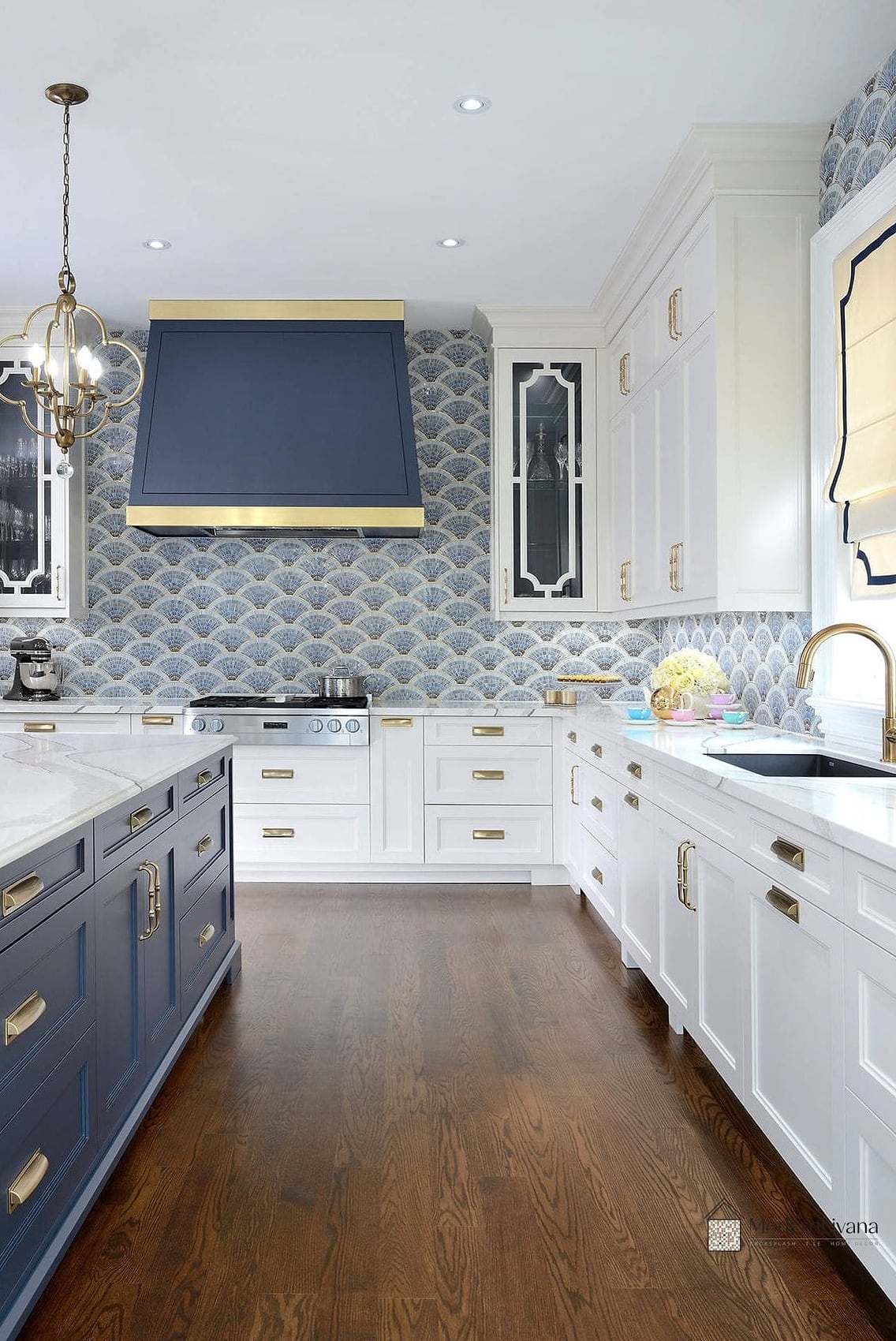
Fish scale, or scallop, tile in a mix of soft pastels adds a playful, almost whimsical touch. Pale pink, mint, and butter yellow scales together create a candy-shop feel that’s still grounded enough for daily use.
This is a favorite in kitchens aiming for a light, airy, cottage vibe. It photographs beautifully, which is why you’ll spot it often in kitchen renovation features.
Cleaning requires slightly more attention around the curved edges, but a soft brush handles it fine.
Stacked Brick Tile in Layered Colors

Instead of the traditional running bond pattern, stacked brick tile lined up in vertical columns of different colors creates a modern, structured look. Deep blues, warm terracottas, and soft grays stacked together feel intentional and architectural.
This style suits contemporary kitchens with clean lines and minimal decor. It’s a moderately easy DIY project since the layout is straightforward, just vertical stacking rather than staggered joints.
Confetti-Style Mosaic Tile
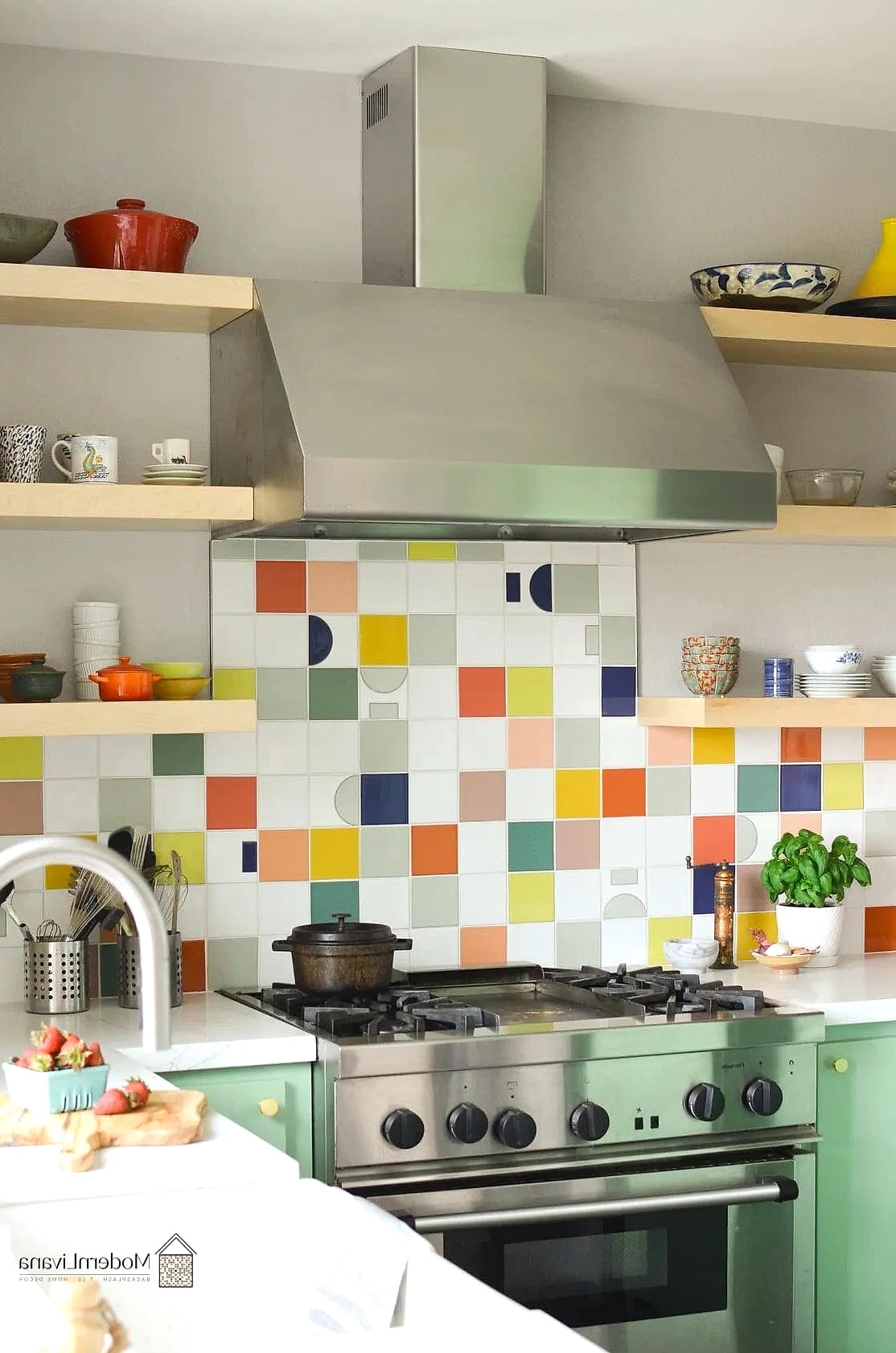
Small square mosaic tiles in five or six random colors scattered across the wall create a confetti or terrazzo-like effect. It’s playful and works surprisingly well in kids’ kitchens, breakfast nooks, or homes that lean colorful throughout.
This is a low-maintenance option since the busy pattern naturally hides small stains and water spots. It’s also one of the more affordable ways to get a lot of color into a small space.
Sunset-Inspired Gradient Glass Tile
Glass tile in warm gradient tones, coral fading into peach fading into gold, brings a warm, glowing quality to a kitchen, especially one that gets good natural light. It reflects light in a way that ceramic simply can’t match.
This works beautifully behind a stove as a focal feature. Glass is easy to wipe clean, though it does show water spots more than matte tile, so a quick squeegee after cleaning helps keep it streak-free.
Multicolor Penny Round Tile

Penny round tiles in a mix of complementary colors bring texture through their round shape and color through their variety. Blues, greens, and creams mixed together feel fresh and slightly retro at the same time.
This style works well in smaller kitchens or as an accent behind open shelving. The many grout lines mean slightly more cleaning attention, but a penetrating grout sealer cuts down on maintenance significantly.
Bold Color-Drenched Accent Wall
Rather than mixing many tile colors, some homeowners choose one or two saturated colors, think deep teal paired with a warm terracotta trim, concentrated on a single wall or niche. This creates a color-drenched moment without covering the whole kitchen in pattern.
It’s a great option for people who love color but want to keep the rest of the kitchen simple. Pairing it with brushed brass or matte black fixtures makes the colors pop even more.
Layered Neutral and Bright Combo Tile

For anyone hesitant about going too bold, combining mostly neutral tile, think warm whites and soft grays, with just one or two bright accent colors offers a middle ground. A few rows of mustard or terracotta tile mixed into an otherwise neutral wall adds personality without overwhelming the space.
This is one of the more versatile options here since it works with almost any cabinet color. It’s also a smart choice if you think you might want to sell down the road, since the neutral base keeps broad appeal.
Multicolor Marble-Look Porcelain Tile

Porcelain tile printed to mimic marble veining in soft blues, greens, and golds gives you the luxury look of natural stone with the durability and low maintenance of porcelain. Unlike real marble, it resists staining and doesn’t need sealing.
This is a great pick for busy family kitchens where practicality matters as much as looks. The multicolor veining hides water spots and cooking splatters far better than a plain white slab backsplash would.
DIY Painted Tile with Multicolor Stencils

For a true budget project, painting a stencil pattern in multiple colors directly onto plain tile is an affordable way to test out a bold look before committing to new tile. Ceramic paint pens and tile-specific paint hold up reasonably well with proper sealing.
This isn’t as durable as true glazed tile long-term, so it’s best suited for rentals, temporary updates, or anyone who likes to redecorate every few years. It’s one of the few ideas on this list you can finish in a single weekend for under a hundred dollars.
A multicolor backsplash doesn’t have to mean chaos on your wall. The best ones usually lean on two or three colors that already show up elsewhere in your kitchen, whether that’s in your countertop veining, your cabinet color, or even your dish towels. Start small if you’re unsure, a sample board or a single accent row goes a long way toward figuring out which of these looks actually fits your space before you commit to tiling the whole wall.