30 Subway Tile Ideas That Are Stylish and Practical
- Classic White Subway Tile with White Grout
- White Subway Tile with Dark Grout
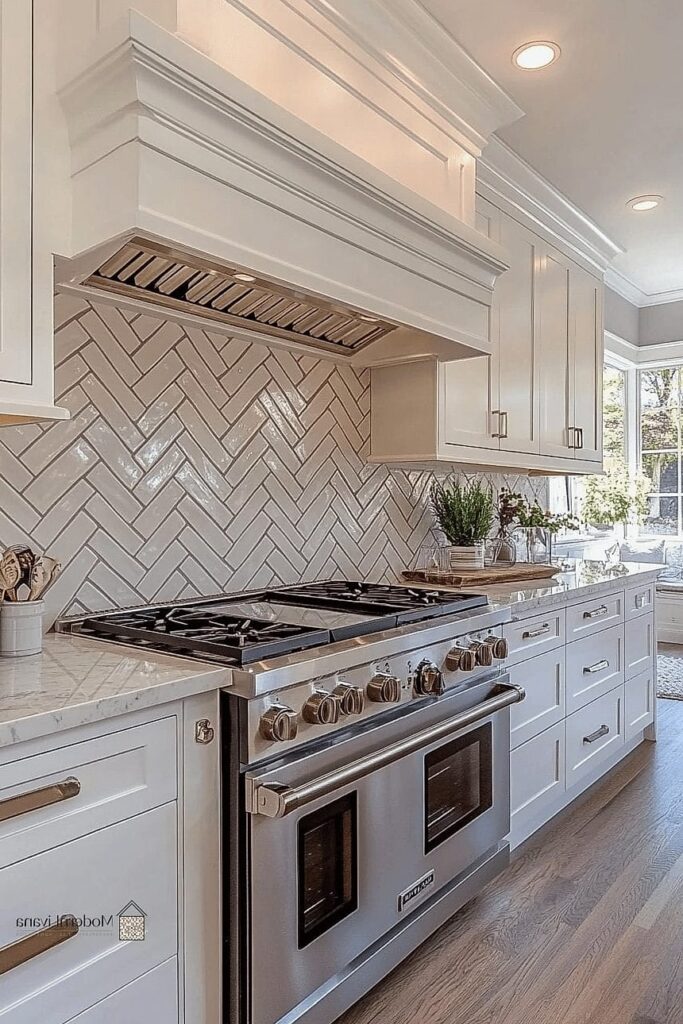
- Herringbone Subway Tile Pattern
- Vertical Stacked Subway Tile
- Colored Subway Tile Backsplash
- Subway Tile in a Basketweave Layout
- Glossy Subway Tile for Small Bathrooms
- Matte Subway Tile for a Softer Look
- Beveled Subway Tile for Extra Dimension
- Handmade Zellige-Style Subway Tile
- Extra-Long Subway Tile
- Mini Subway Tile Accents
- Subway Tile with a Contrasting Border
- Subway Tile Extending to the Ceiling
- Subway Tile Shower Surround
- Subway Tile Half Wall in the Bathroom
- Subway Tile Around a Kitchen Window
- Subway Tile as a Fireplace Surround
- Two-Tone Subway Tile Kitchen
- Subway Tile with Brass or Gold Accents
- Subway Tile with Black Fixtures
- Subway Tile Laundry Room Backsplash
- Subway Tile Mudroom Accent Wall
- Peel-and-Stick Subway Tile for Renters
- Subway Tile Bar Cart Nook or Wet Bar
- Subway Tile Pet Feeding Station Backsplash
- Subway Tile Framing a Range Hood
- Subway Tile in a Powder Room
- Textured Subway Tile
- Subway Tile with Open Shelving
Architected thirty distinct subway tile design concepts with single-level headings
30 Subway Tile Ideas That Are Stylish and Practical
Subway tile has been around for over a century, and it’s not going anywhere anytime soon. There’s a reason designers keep coming back to it—it’s affordable, versatile, and looks good in pretty much any room you put it in. If you’re planning a kitchen refresh, a bathroom remodel, or just want to swap out a boring backsplash, this list should give you plenty to work with. Here are 30 subway tile ideas that are stylish and practical, from classic white brick patterns to bold, unexpected color choices.
Classic White Subway Tile with White Grout
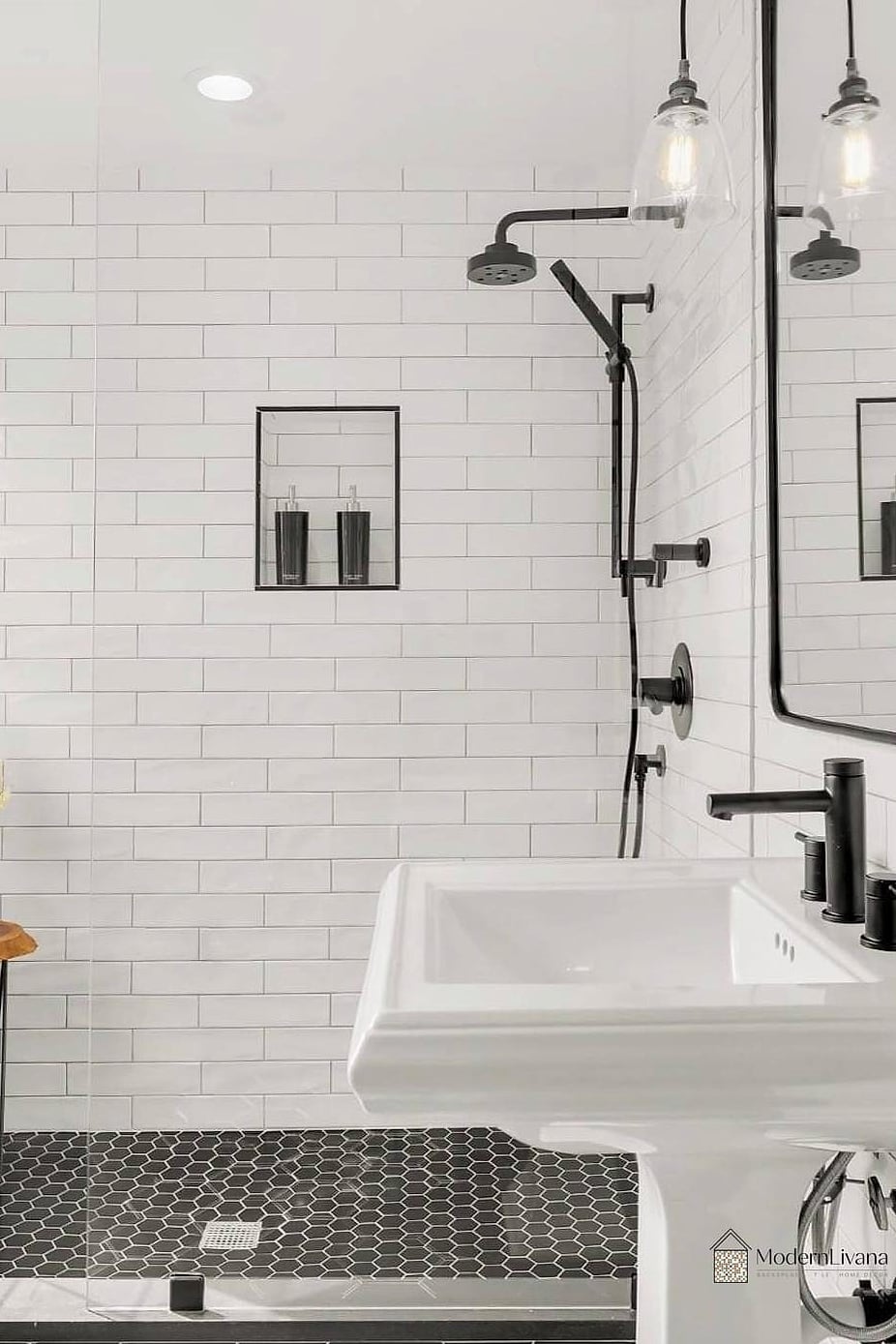
This is the look most people picture when they hear “subway tile,” and for good reason. It’s clean, bright, and it goes with literally any color scheme you throw at it. Matching white grout keeps the wall looking seamless rather than segmented, which is great if you want a backsplash that recedes into the background instead of competing with your countertops. It’s budget-friendly too, since basic white ceramic subway tile is one of the cheapest tile options out there. The only downside is that white grout can show grime over time, so you’ll want to seal it and wipe up splatters before they set.
White Subway Tile with Dark Grout
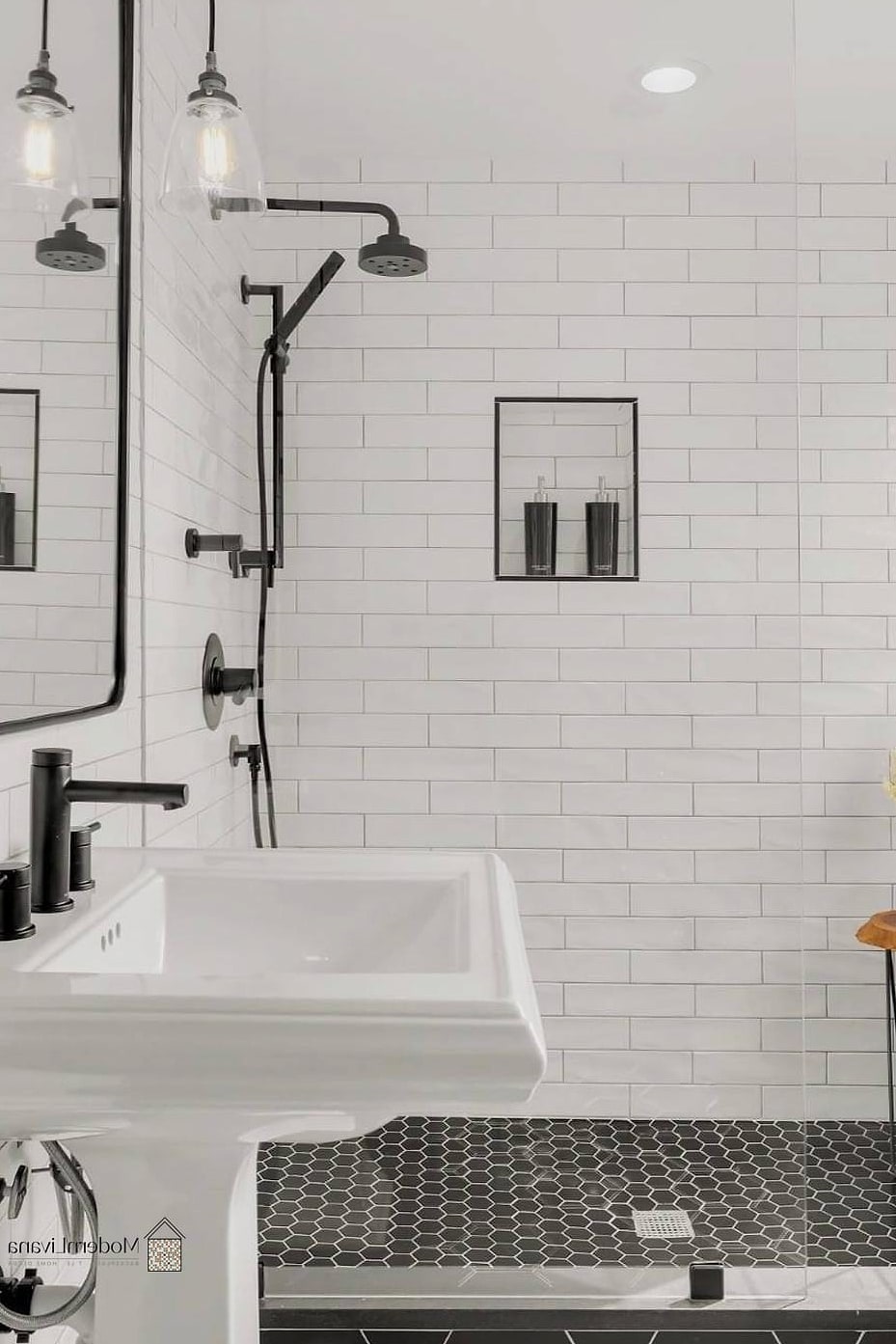
Swap that white grout for charcoal or black, and suddenly the same tile looks like a totally different design choice. The dark grout outlines each tile, giving the wall more visual texture and a slightly industrial edge. It’s a favorite in farmhouse kitchens and modern bathrooms alike. Practically speaking, dark grout also hides dirt and stains far better than white, so it’s a smart pick for busy households with kids or pets.
Herringbone Subway Tile Pattern
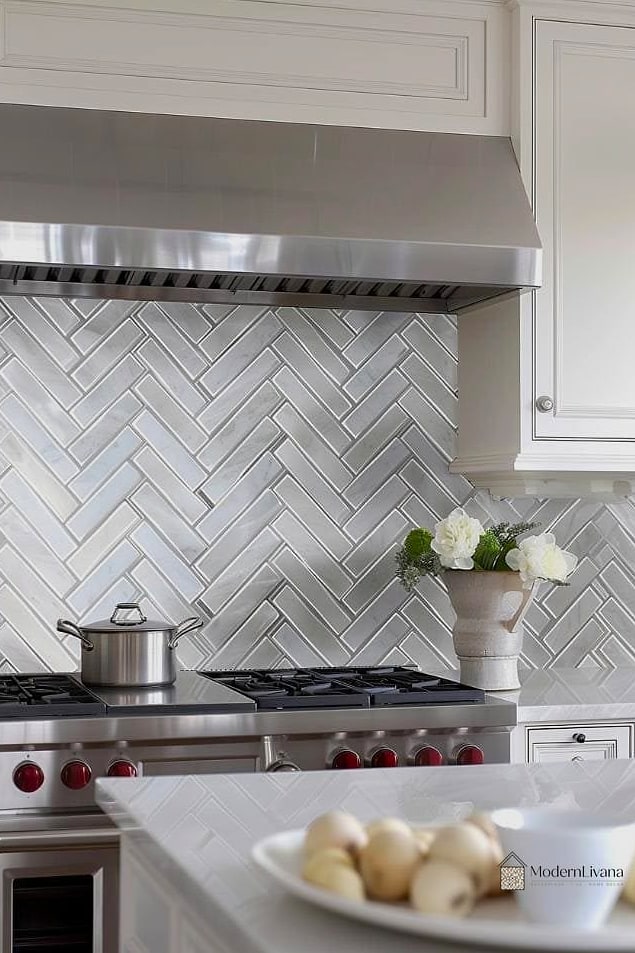
Instead of laying tiles in straight rows, herringbone arranges them at angles that zigzag across the wall. It’s a step up in installation difficulty, so this one’s usually better left to a professional tiler unless you’re an experienced DIYer. The payoff is a backsplash or shower wall that instantly feels custom and high-end. This pattern works especially well behind a stove as a focal point, even if the rest of the kitchen sticks with simpler tile layouts elsewhere.
Vertical Stacked Subway Tile
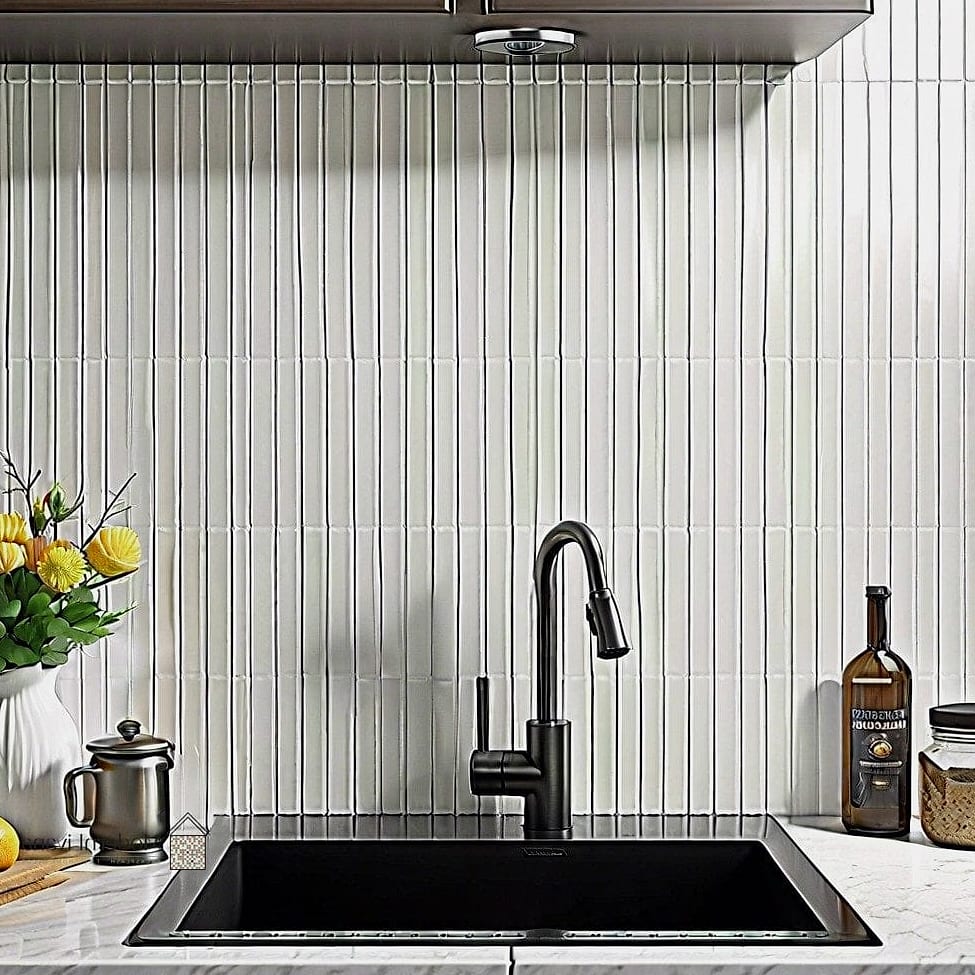
Rather than the traditional brick-lay offset, vertical stacking lines tiles up in neat, straight columns. It reads as more modern and architectural, and it can actually make a low ceiling feel taller since your eye travels upward. This layout works great in small bathrooms or narrow kitchen backsplash strips where you want a clean, linear look without extra pattern complexity.
Colored Subway Tile Backsplash
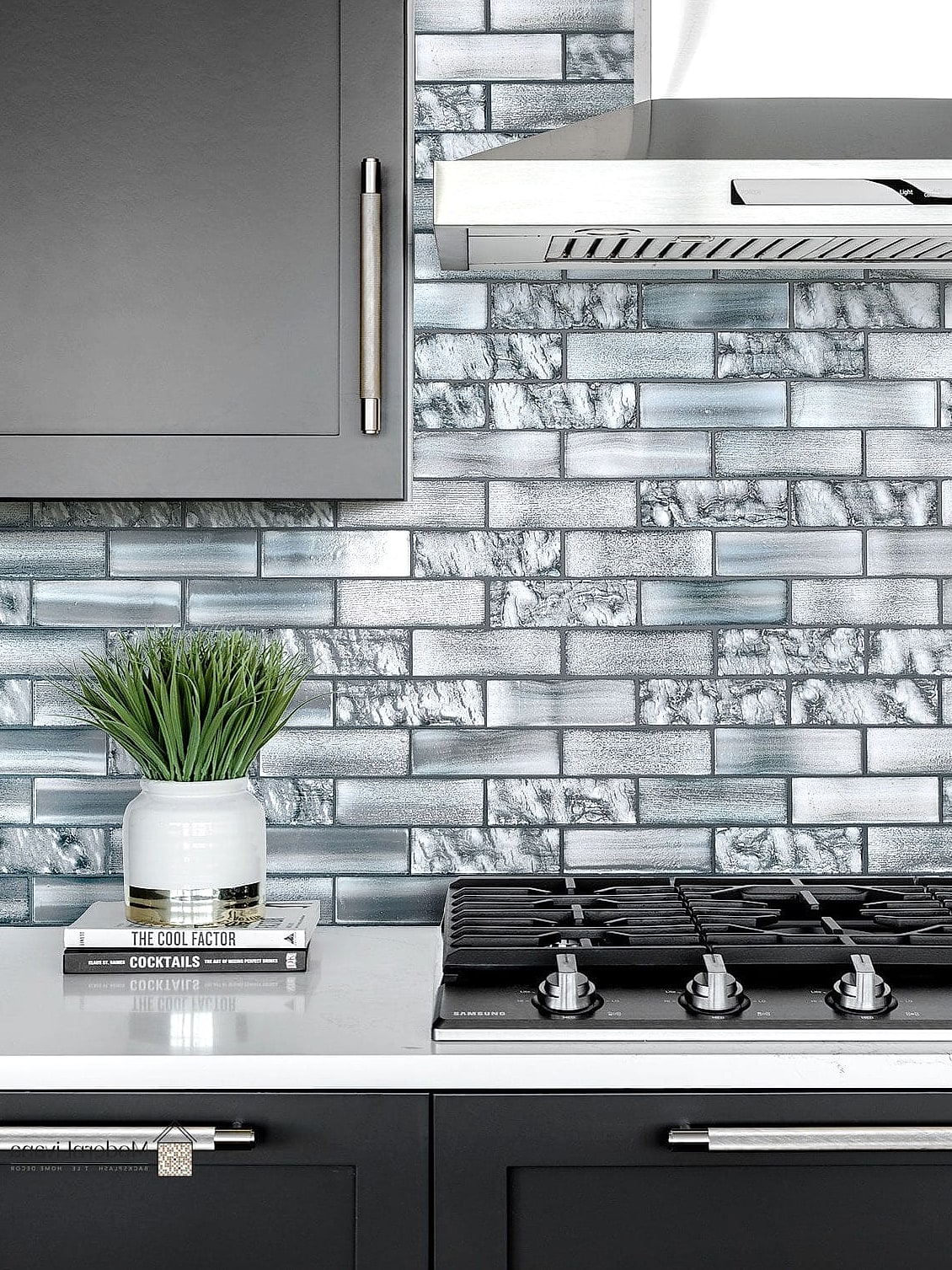
White isn’t mandatory. Sage green, navy blue, and terracotta subway tiles have all been showing up in kitchens lately, and they add personality without going overboard. A colored backsplash pairs nicely with neutral cabinetry and countertops, letting the tile do the talking. If you’re nervous about commitment, start with a smaller accent area, like above the stove, before tiling the whole wall.
Subway Tile in a Basketweave Layout
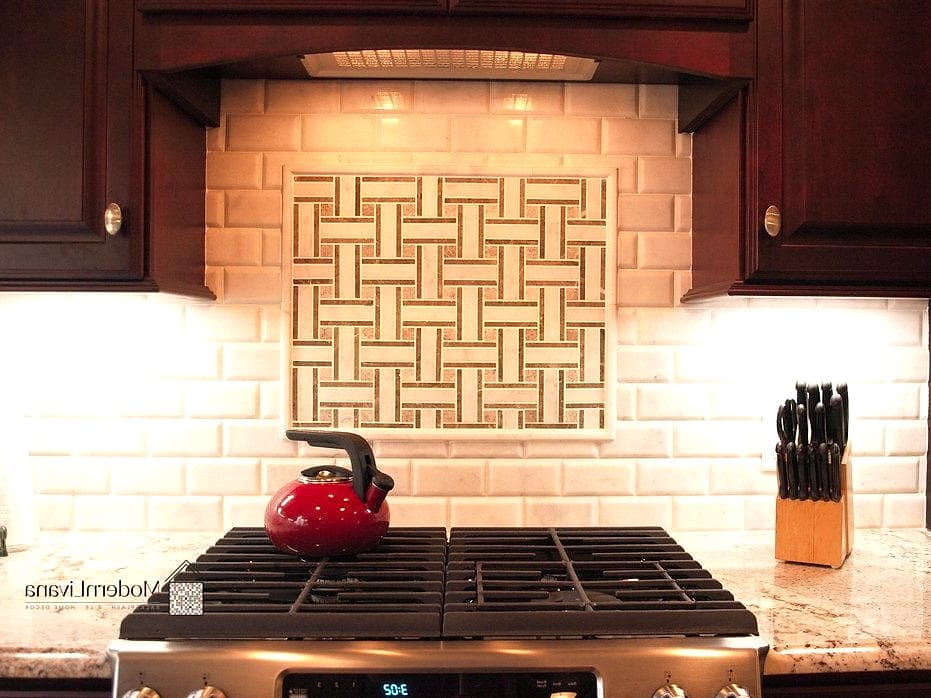
Basketweave alternates the orientation of pairs of tiles to create a woven look. It’s more commonly done with smaller subway tiles, and it adds a subtle textural interest that reads as more custom than a basic grid. This pattern shows up often in bathroom floors and shower niches where a little extra detail goes a long way.
Glossy Subway Tile for Small Bathrooms
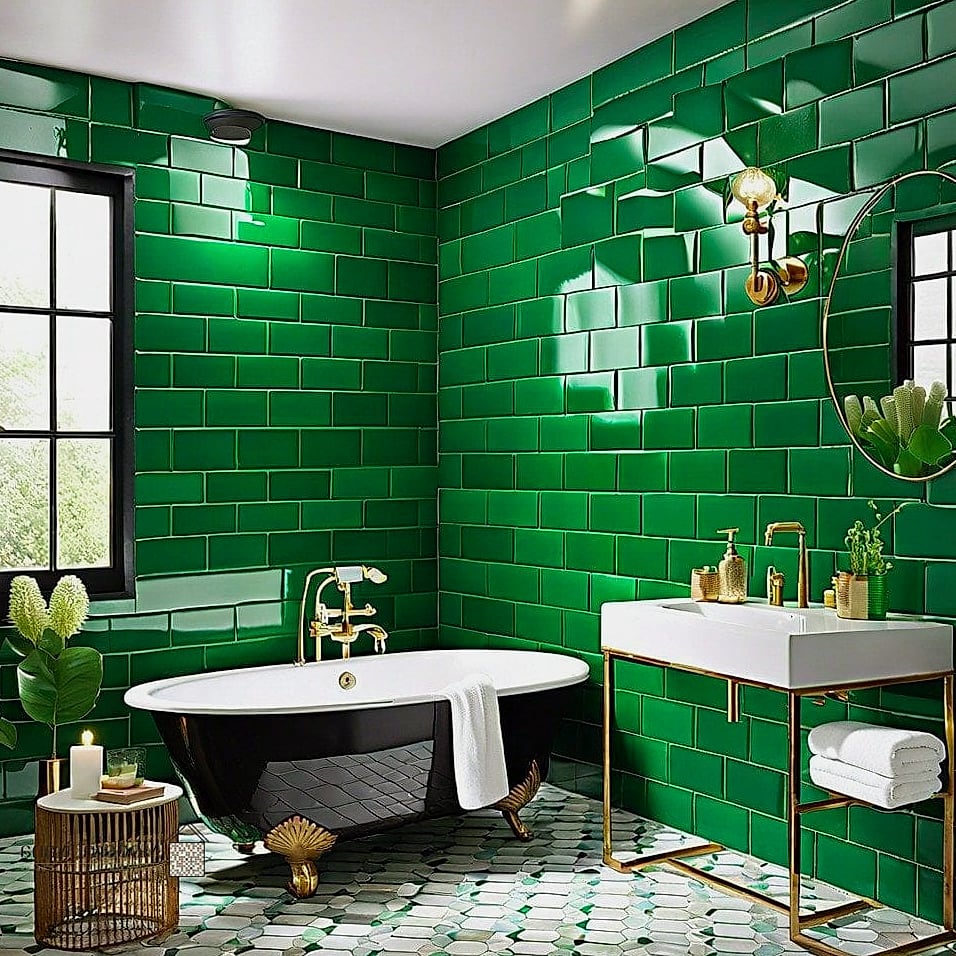
Glossy finishes bounce light around a room, which makes them a smart choice for bathrooms that don’t get much natural sunlight. A glossy white subway tile shower surround can make a cramped bathroom feel noticeably brighter and more open. It’s also easier to wipe down soap scum from a glossy surface compared to matte tile, so cleaning day goes a little faster.
Matte Subway Tile for a Softer Look
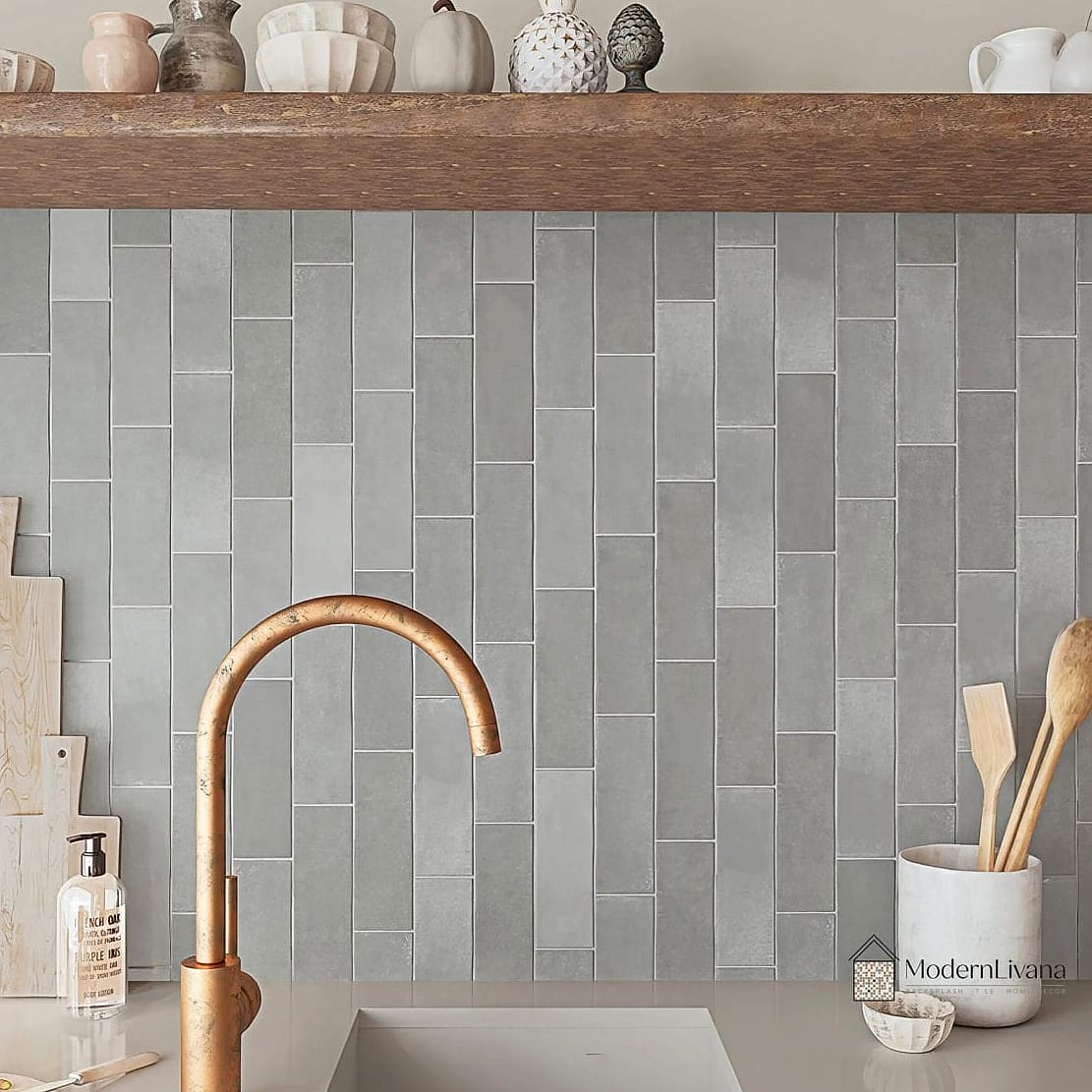
On the flip side, matte subway tile has become popular for people who want a more understated, warm aesthetic. It doesn’t reflect light the same way glossy tile does, so it reads as calmer and a bit more sophisticated. Matte tile shows water spots and fingerprints less obviously too, which is a nice bonus in a family bathroom.
Beveled Subway Tile for Extra Dimension
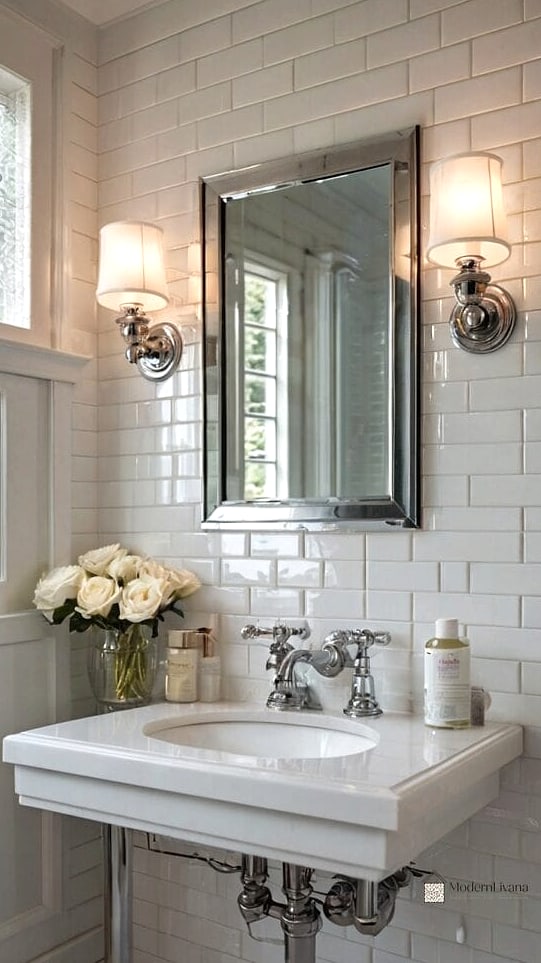
Beveled subway tile has slightly angled edges instead of flat ones, which catches light and shadow differently depending on where you’re standing. It gives a backsplash a more dimensional, almost 3D quality without changing the layout at all. This is a great option if you love the classic subway shape but want something with a bit more texture than a flat-faced tile.
Handmade Zellige-Style Subway Tile
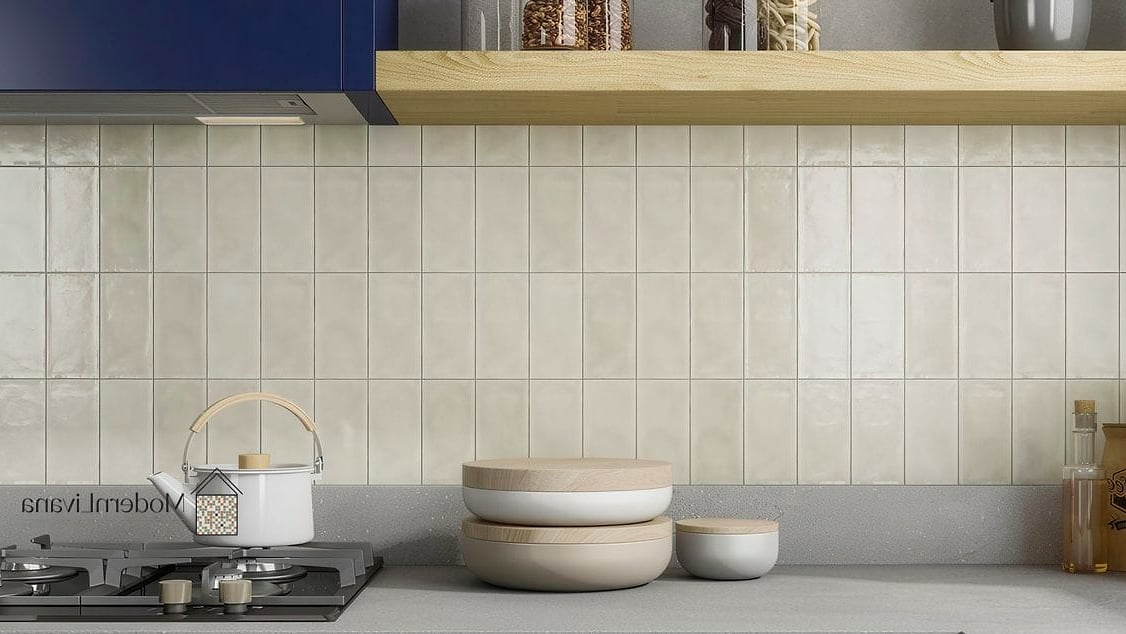
Zellige tile brings an artisanal, slightly imperfect look to the classic subway shape, with variations in color and texture from tile to tile. It’s pricier than standard ceramic, but the handcrafted feel adds a lot of warmth and character to a kitchen or bathroom. This is a favorite among designers going for that effortless European farmhouse vibe.
Extra-Long Subway Tile
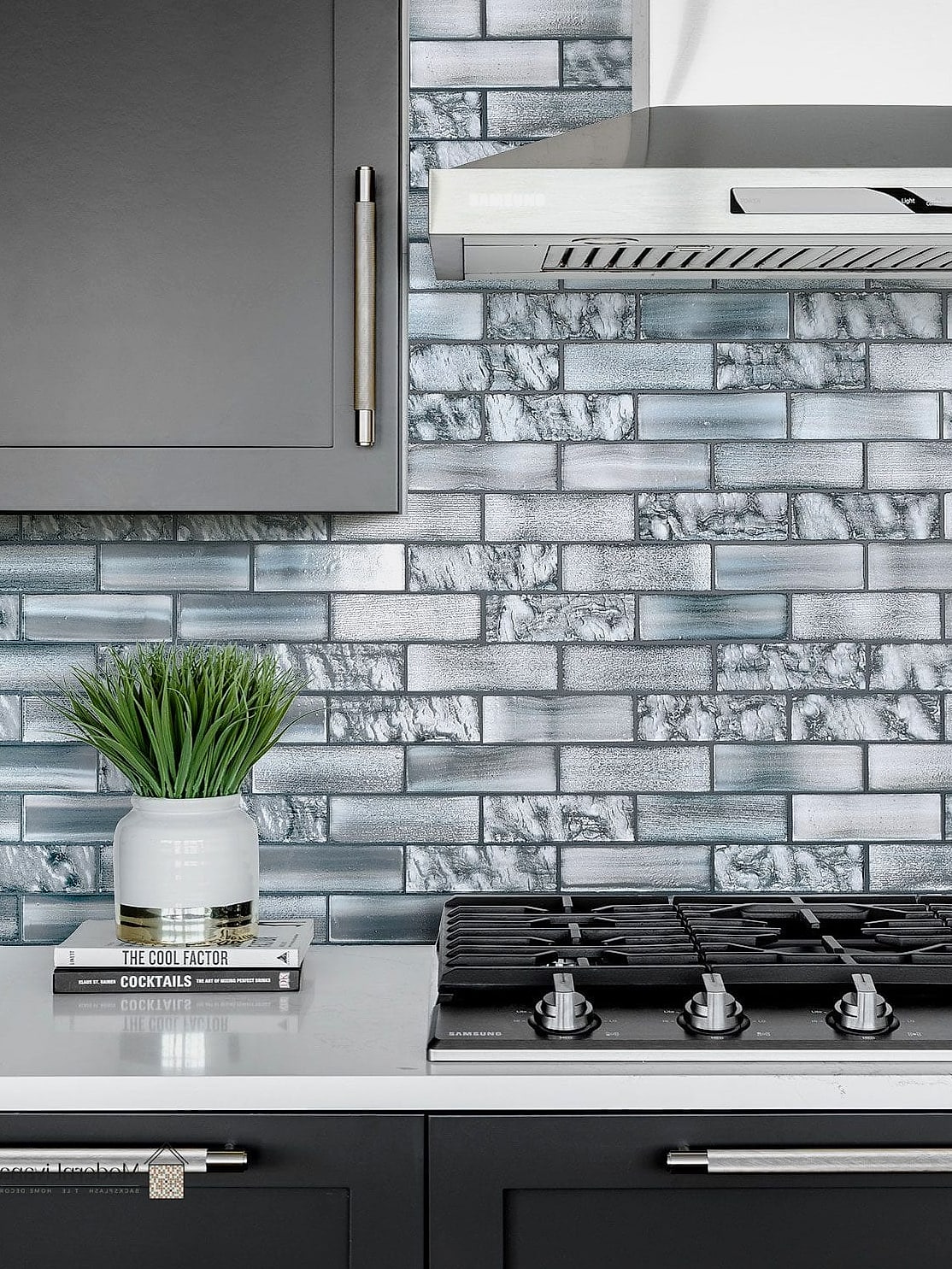
Instead of the standard 3×6 size, extra-long subway tiles (think 4×12 or even 4×16) create a more elongated, modern brick pattern with fewer grout lines overall. Fewer grout lines mean less scrubbing during cleaning, which is a practical perk on top of the sleeker look. This size works particularly well in larger kitchens where a bigger tile helps balance out the scale of the room.
Mini Subway Tile Accents
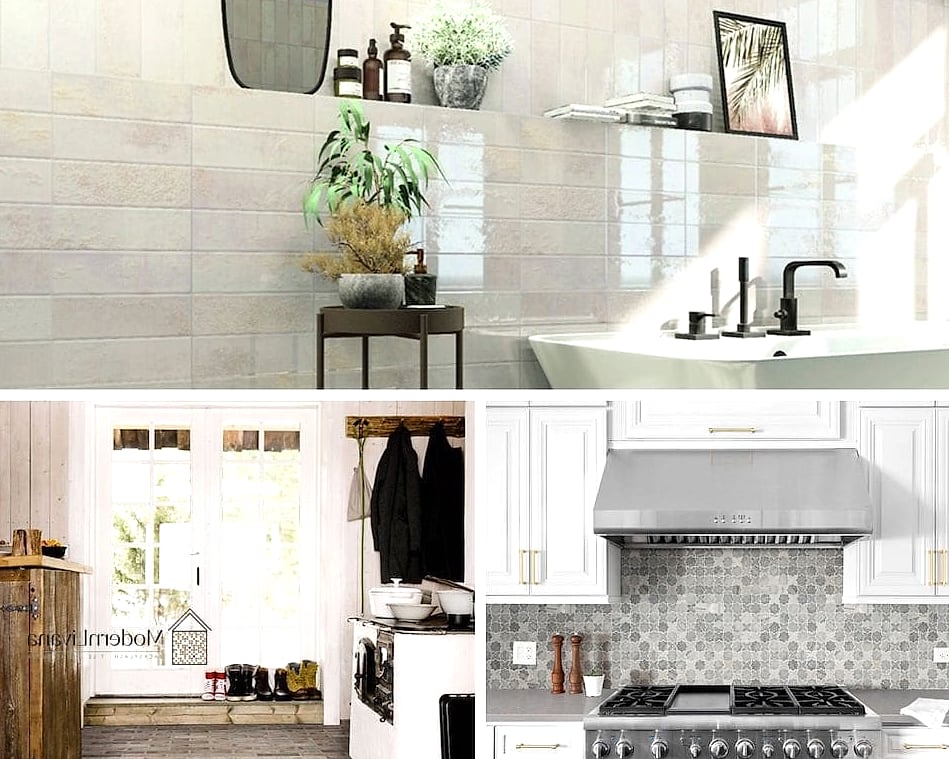
On the smaller end, mini subway tiles (sometimes called mini brick tile) bring a delicate, detailed look that’s great for accent walls, niches, or borders. They’re commonly used in shower niches or as a decorative band within a larger tile installation. Because they’re small, they do require more grout lines, so keep that in mind if low-maintenance cleaning is a priority.
Subway Tile with a Contrasting Border

Adding a contrasting tile border, like a thin strip of navy tile framing a white subway tile backsplash, gives the whole installation a finished, tailored look. It’s a subtle way to introduce color or pattern without overwhelming the space. This idea works particularly well in kitchens where you want the backsplash to feel intentional rather than like an afterthought.
Subway Tile Extending to the Ceiling
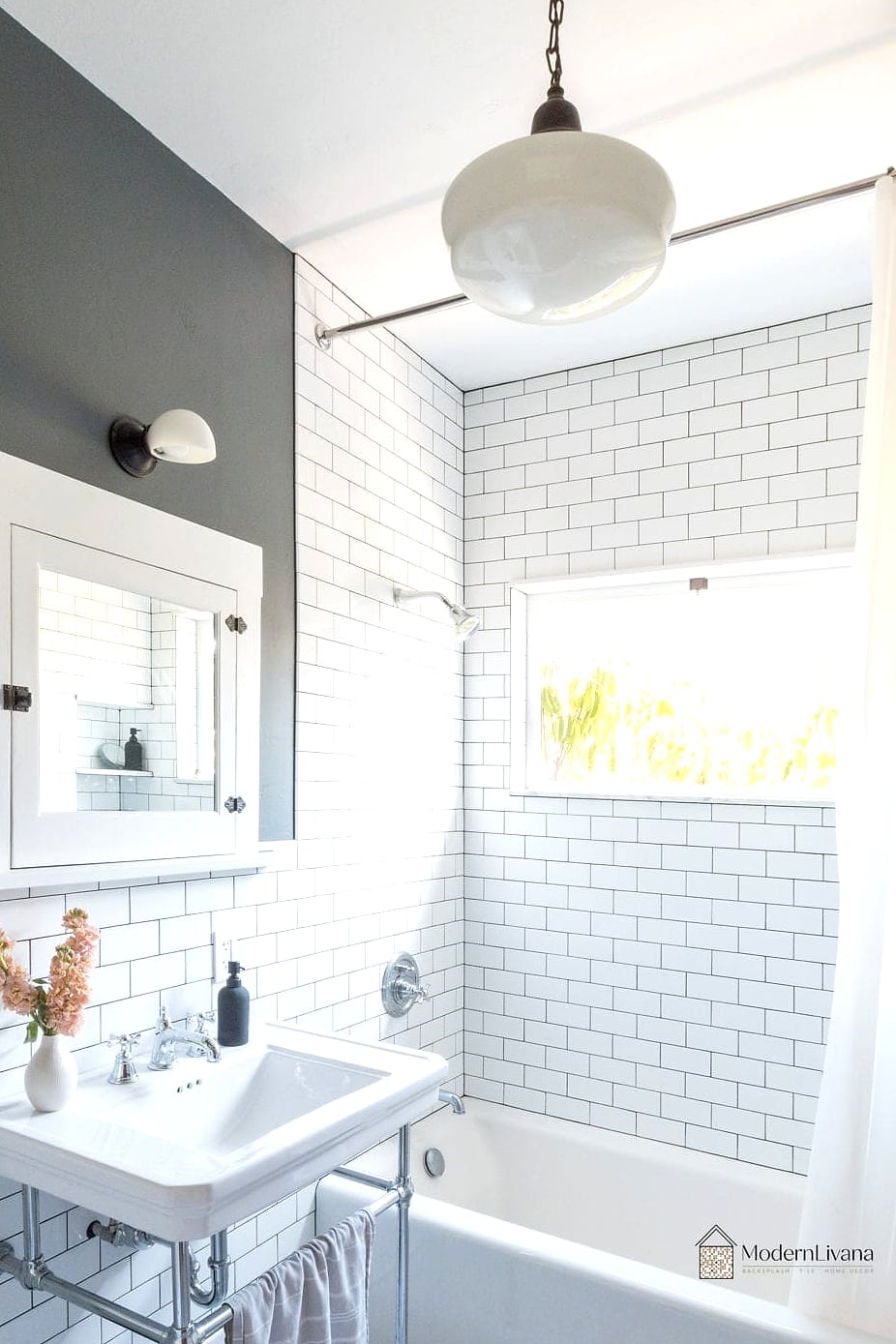
Instead of stopping the backsplash at the upper cabinets, full-height subway tile runs all the way up to the ceiling. It’s a bigger investment since it uses more tile, but it makes a real design statement and draws the eye upward. This look pairs beautifully with open shelving instead of upper cabinets, since there’s nothing blocking the tile from view.
Subway Tile Shower Surround
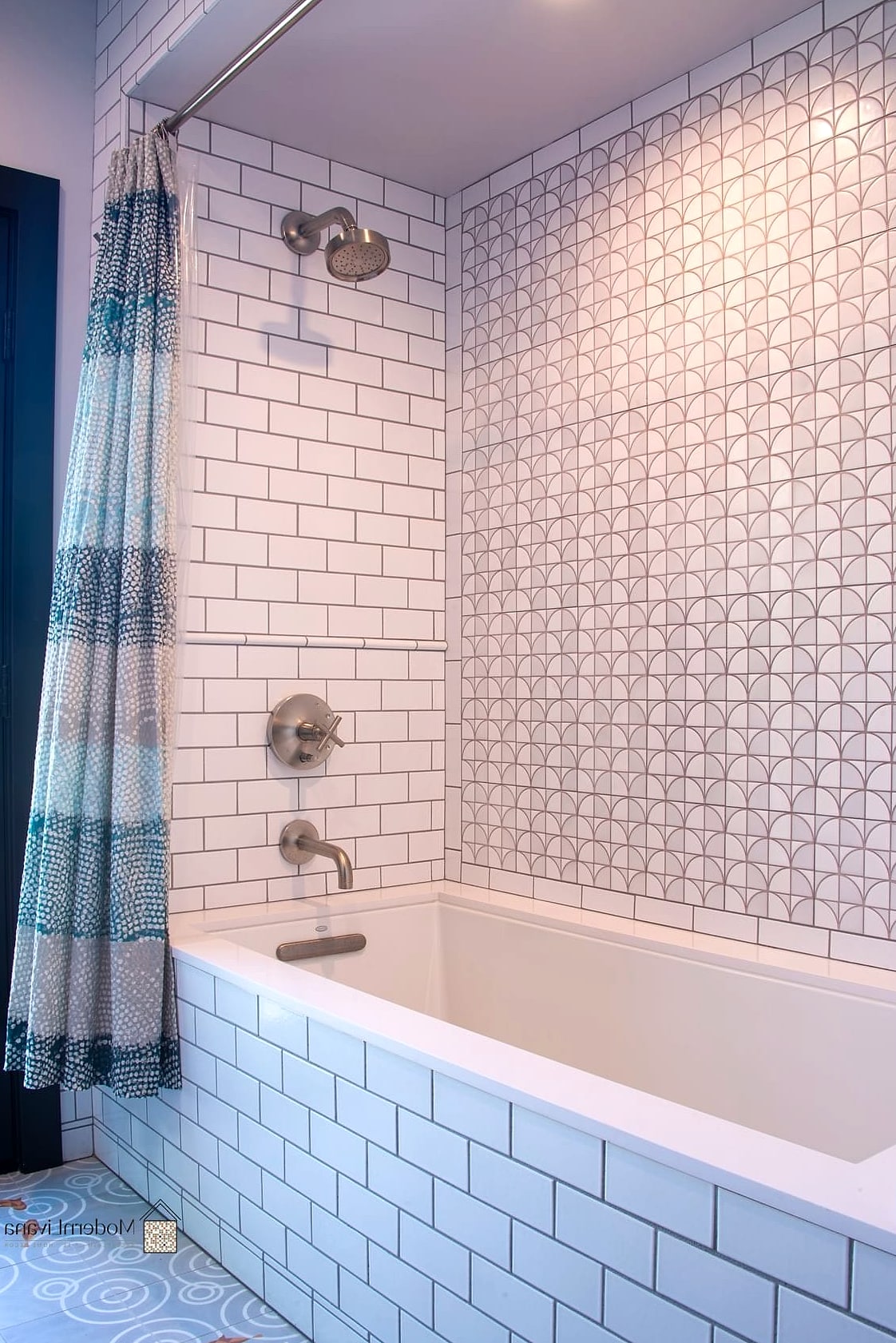
Subway tile isn’t just for kitchens. A full shower surround in classic white or a soft gray gives a bathroom a timeless, spa-like feel. It’s also genuinely practical since ceramic and porcelain tile handle moisture far better than paint or wallpaper ever could. Pair it with a niche for shampoo bottles so you’re not relying on hanging caddies that rust over time.
Subway Tile Half Wall in the Bathroom
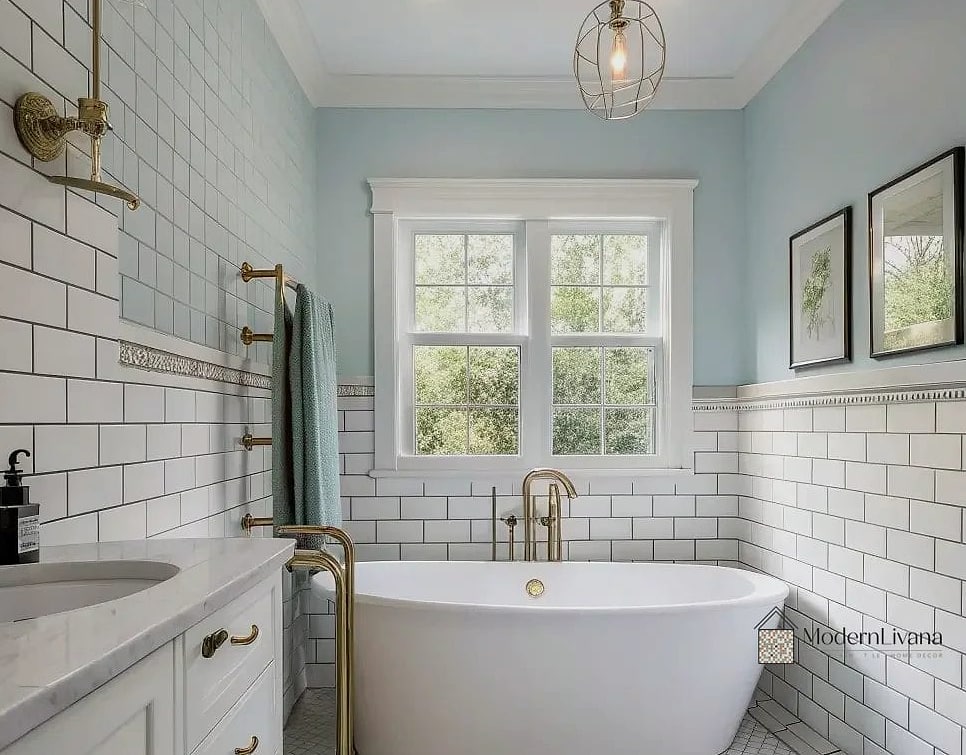
Rather than tiling floor to ceiling, a half-wall of subway tile (usually 3 to 4 feet up) protects the lower portion of the wall from splashes while keeping the upper wall available for paint or wallpaper. It’s a more budget-friendly option since it uses less tile, and it lets you mix materials for added visual interest.
Subway Tile Around a Kitchen Window
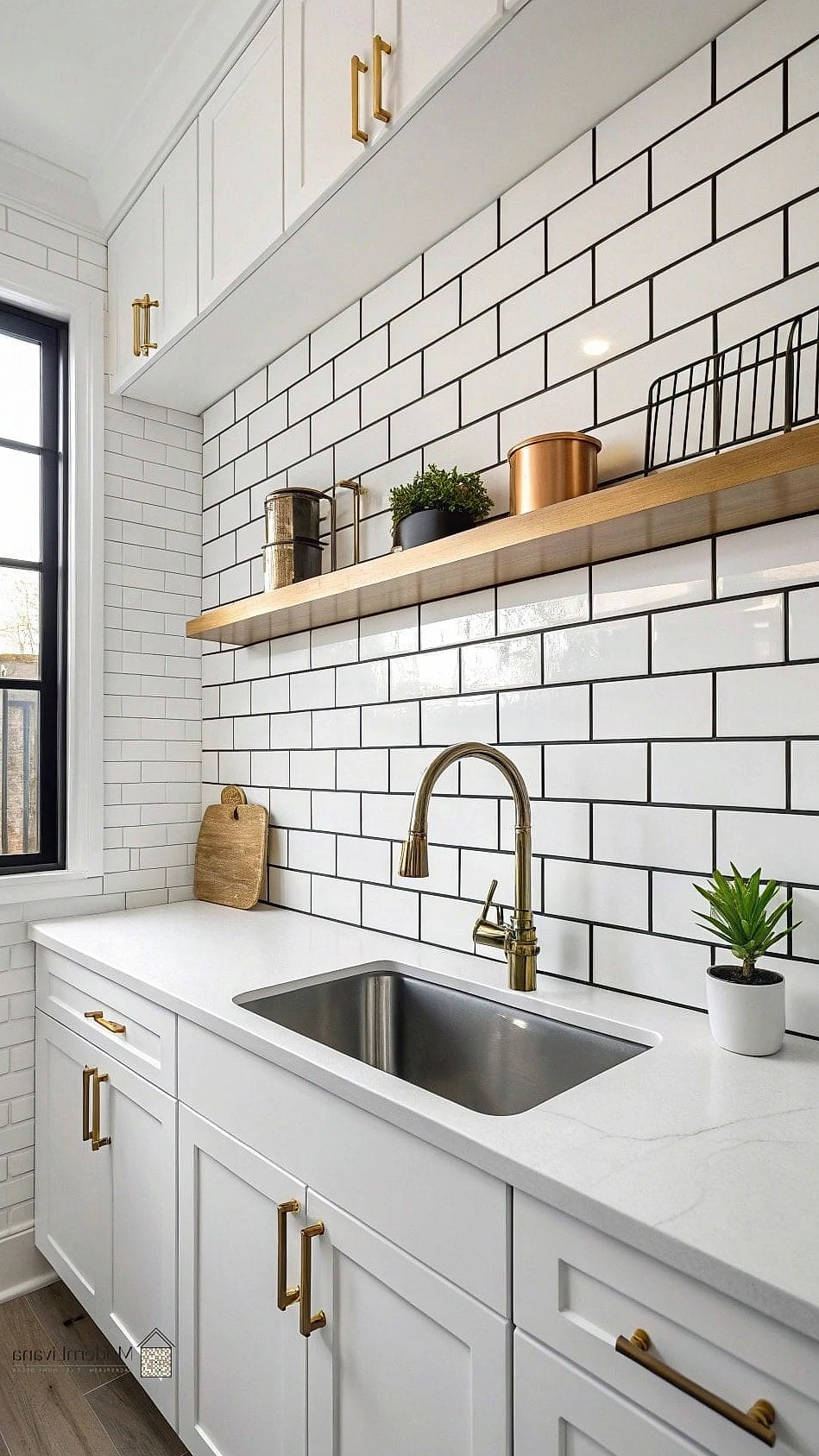
Wrapping subway tile around a window, rather than stopping at the edges, creates a framed, intentional look that highlights natural light. This works especially well over a kitchen sink, where the window is often already a focal point. Just make sure your tiler measures carefully, since window trim can complicate the layout.
Subway Tile as a Fireplace Surround

Subway tile isn’t limited to wet areas. It’s become a popular pick for fireplace surrounds too, especially in a soft white or black for contrast against wood mantels. It’s heat-resistant, easy to clean, and gives a fireplace a clean, updated look without the cost of natural stone.
Two-Tone Subway Tile Kitchen
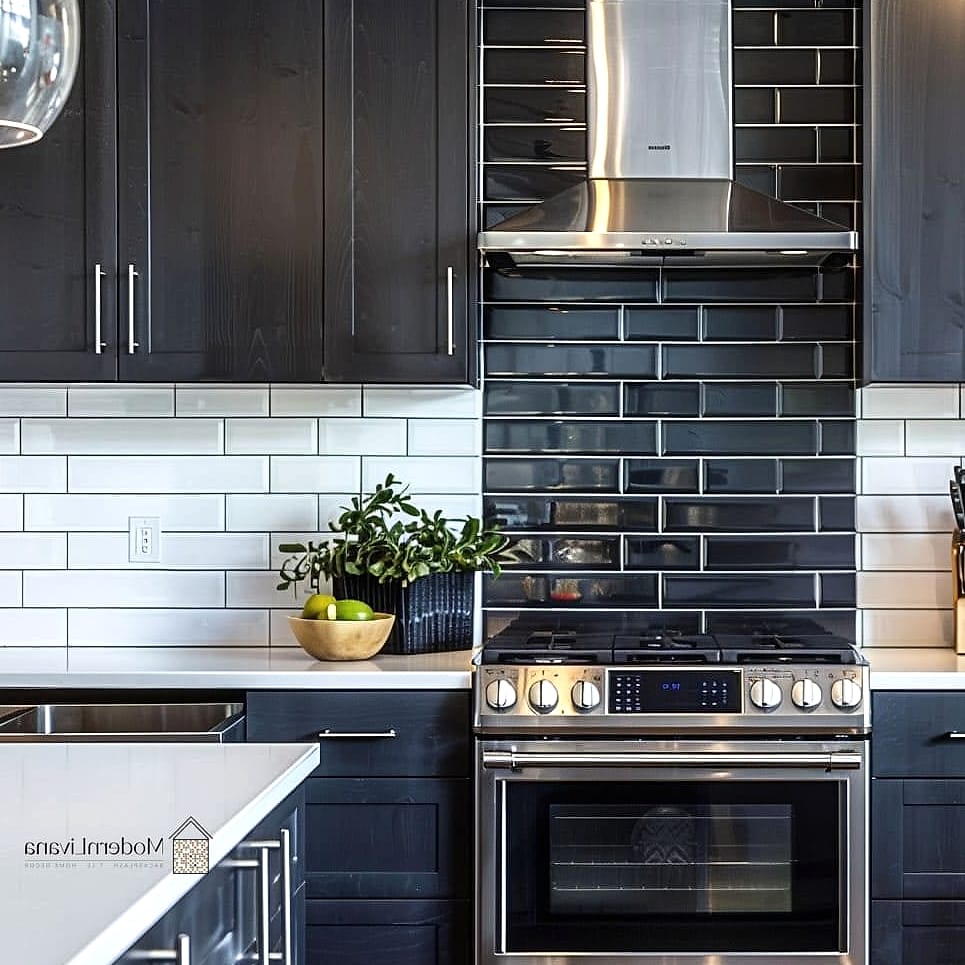
Pairing two different subway tile colors on the same wall, like white on top and a darker shade on the lower half, adds depth without needing a pattern change. This works well in kitchens with a lot of white cabinetry, since it introduces contrast without clashing. It’s also a nice way to visually “ground” a kitchen that might otherwise feel too monochromatic.
Subway Tile with Brass or Gold Accents
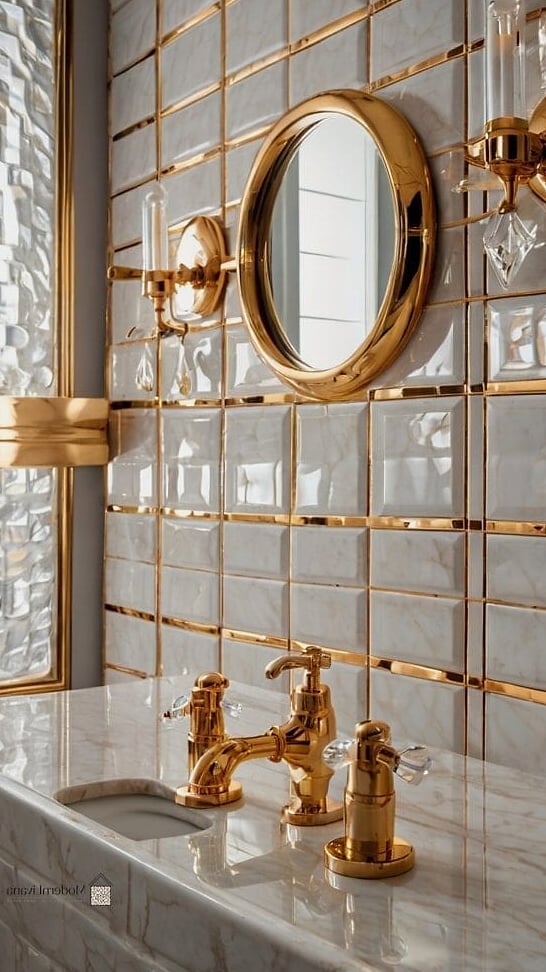
Pairing white or black subway tile with brushed brass fixtures, cabinet hardware, or a gold-trimmed mirror gives a kitchen or bathroom a warmer, slightly glam feel. The tile stays neutral while the metal finishes do the heavy lifting for personality. This combo has been a steady trend for a while now because it photographs beautifully and works in both traditional and modern spaces.
Subway Tile with Black Fixtures
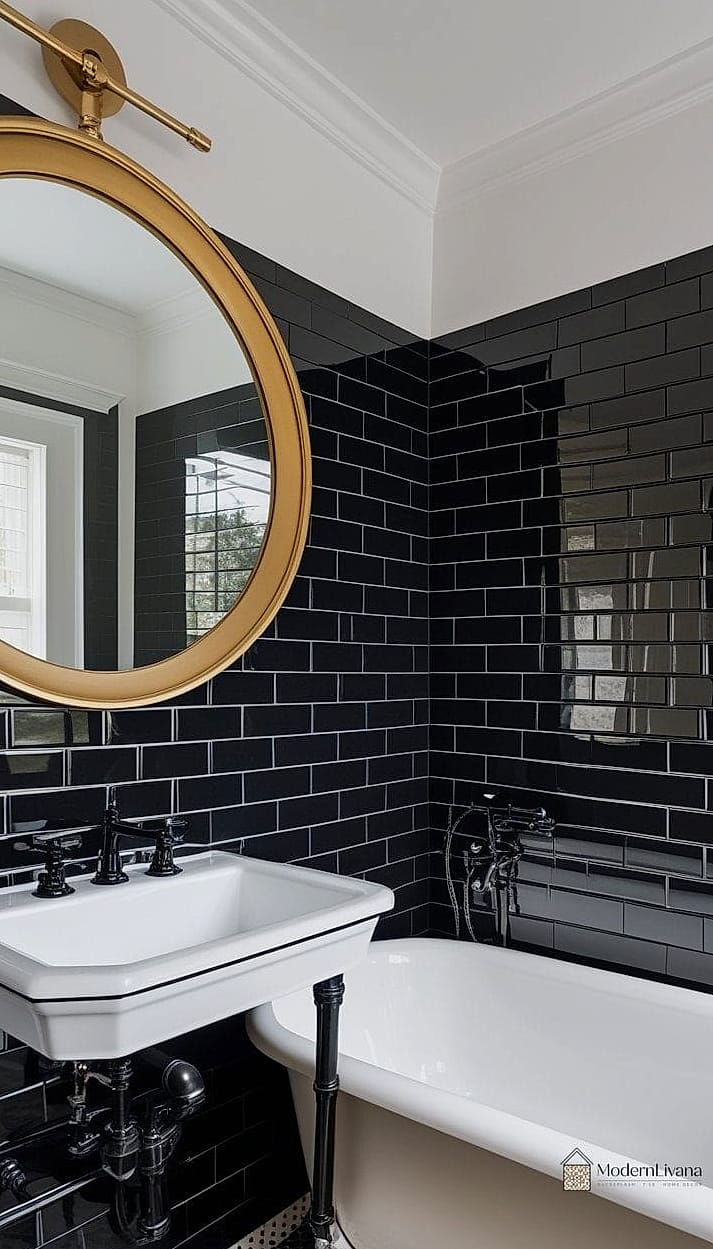
If brass isn’t your style, matte black faucets, cabinet pulls, and light fixtures against white subway tile create a bold, high-contrast look that feels current without being trendy in a way that’ll date quickly. Black fixtures also tend to hide water spots better than chrome, which is a nice practical bonus in a busy kitchen sink area.
Subway Tile Laundry Room Backsplash
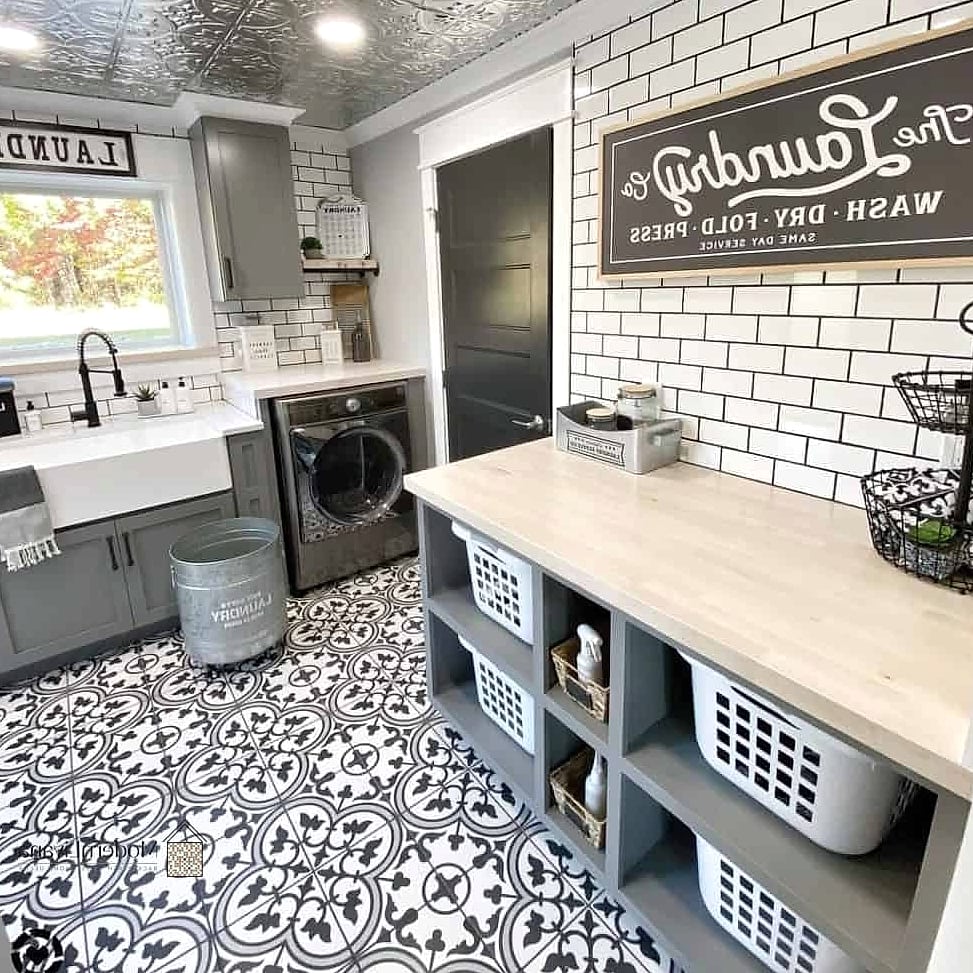
Laundry rooms often get overlooked, but a subway tile backsplash behind the washer and dryer or around a utility sink instantly makes the space feel more finished. It also protects the wall from detergent splashes and scuffs. A soft blue or green subway tile here adds a cheerful touch to a room that’s usually pretty utilitarian.
Subway Tile Mudroom Accent Wall
A mudroom sees a lot of wear from muddy boots, wet umbrellas, and general daily chaos, so a durable tiled accent wall makes a lot of sense here. Subway tile in a deeper color, like forest green or charcoal, hides scuffs better than paint and is easy to wipe down. Pair it with hooks and a bench for a mudroom that’s both good-looking and genuinely functional.
Peel-and-Stick Subway Tile for Renters
If you’re renting or just want a temporary update, peel-and-stick subway tile has come a long way in recent years. It mimics the look of real ceramic tile at a fraction of the cost and effort, and most versions can be removed without damaging the wall underneath. It’s not as durable as real tile, so it’s best suited for lower-impact areas like a small kitchen backsplash rather than a shower.
Subway Tile Bar Cart Nook or Wet Bar
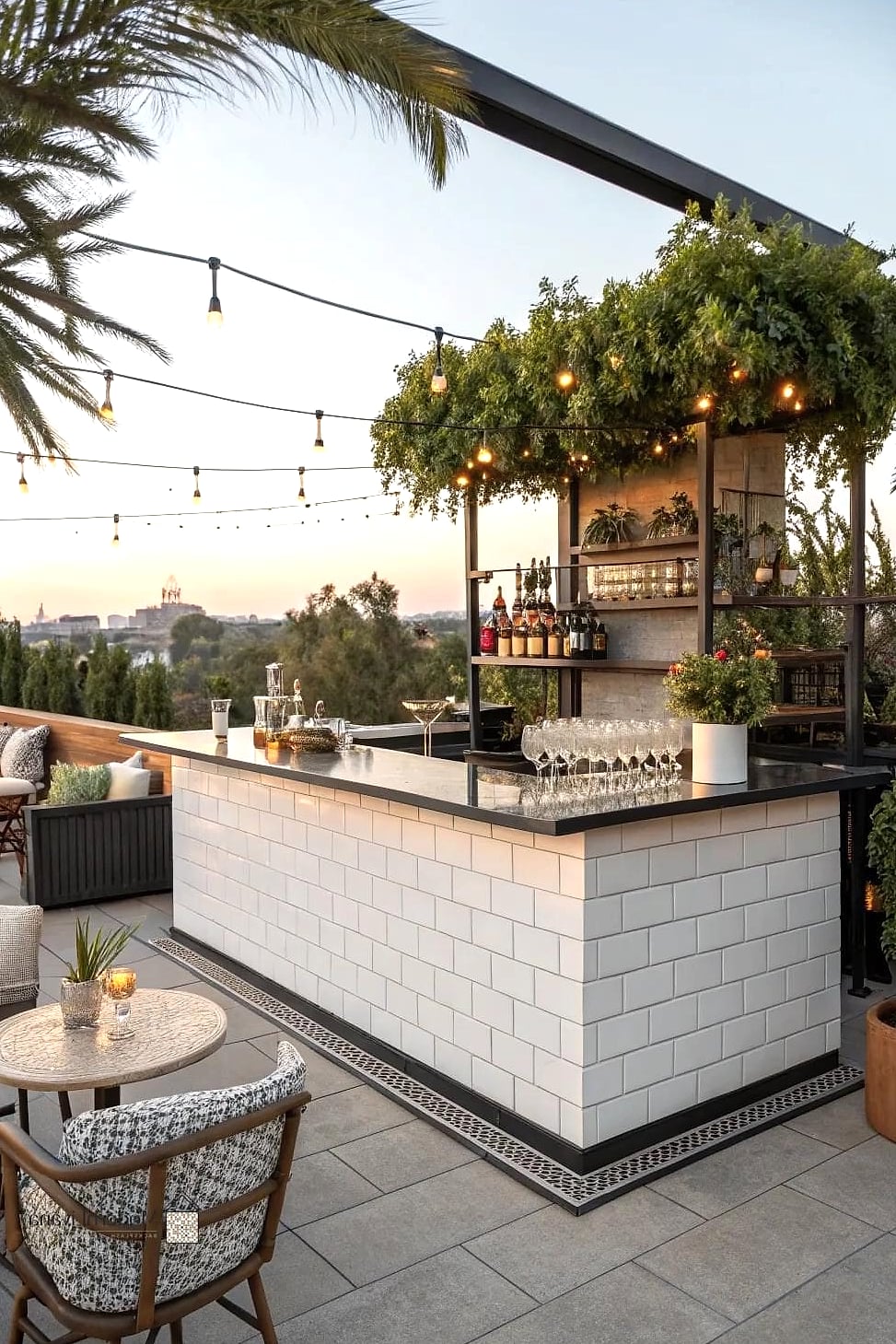
A small wet bar or bar cart nook tiled in subway tile feels like a mini design moment, even in a fairly small footprint. Adding open shelving above with glassware and a few plants makes the space feel curated. This is a fun spot to get a little more adventurous with color or pattern since it’s a smaller area to commit to.
Subway Tile Pet Feeding Station Backsplash
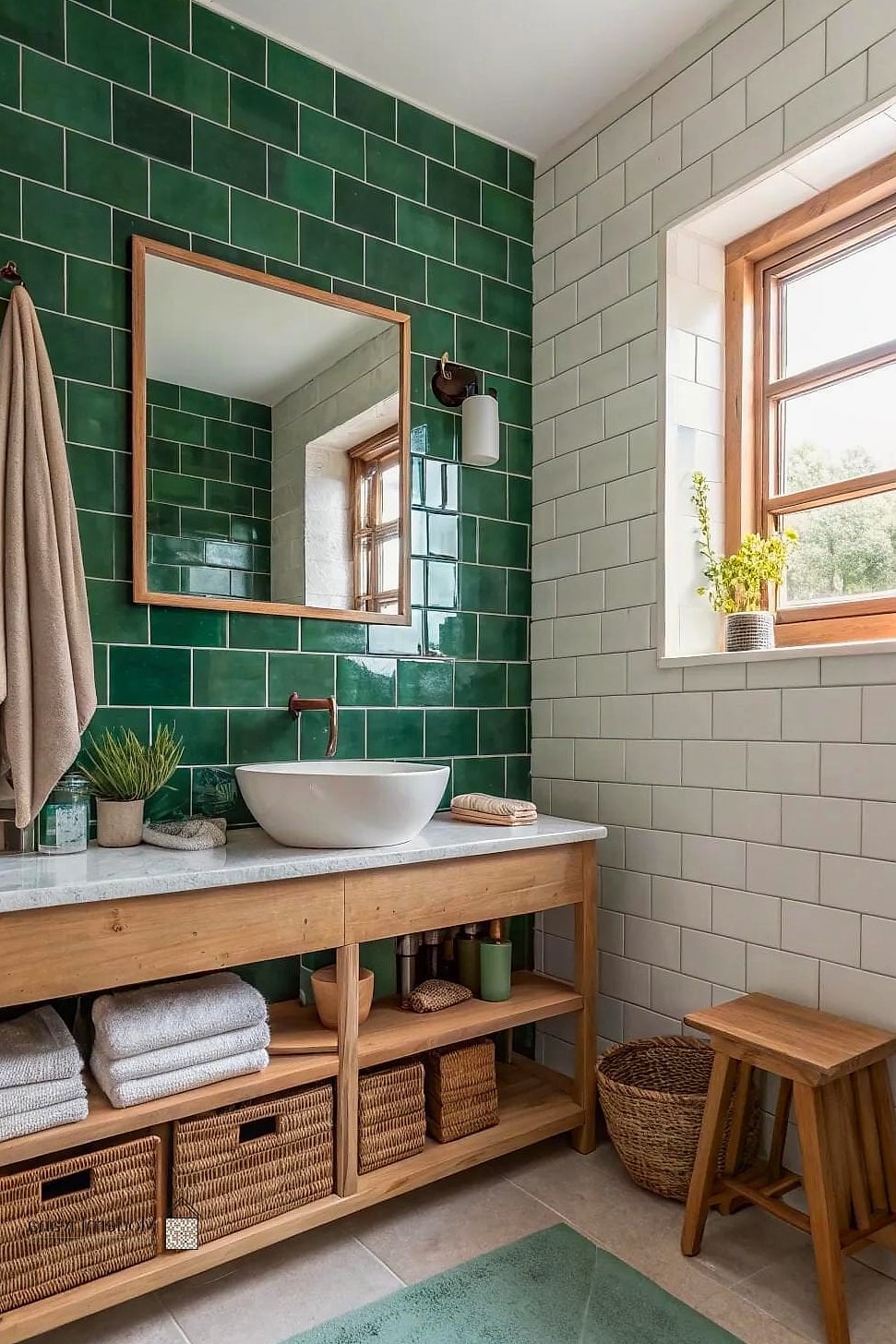
Pet bowls and food splatter can be surprisingly hard on walls and flooring. Tiling a small nook or backsplash area behind a built-in feeding station with subway tile keeps things looking tidy and makes cleanup quick with just a damp cloth. It’s a small detail, but pet owners tend to appreciate it once they’ve lived with it.
Subway Tile Framing a Range Hood
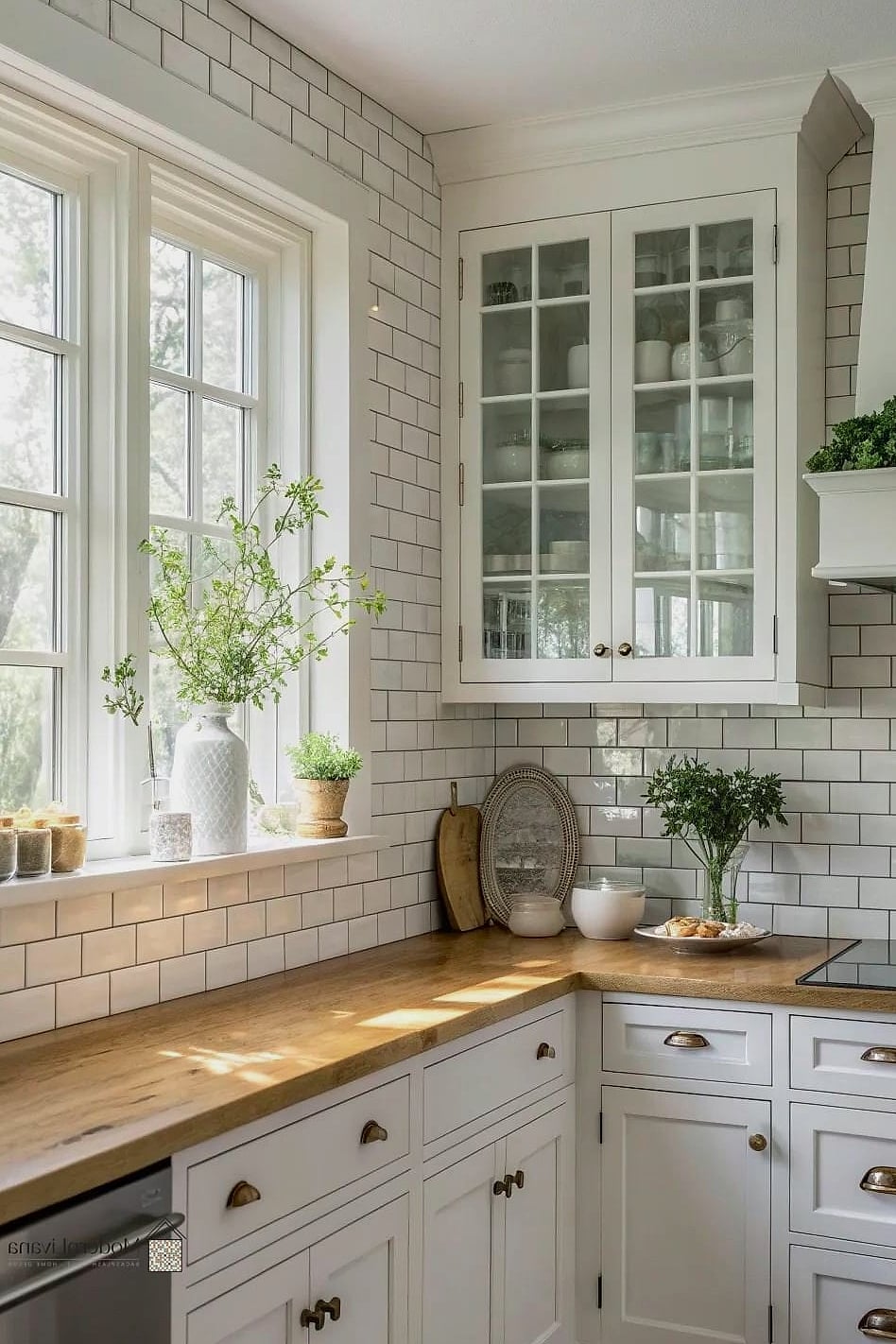
Extending subway tile up and around a range hood, rather than stopping at the counter, turns the hood into more of a design feature. This works especially well with herringbone or a contrasting grout color to really make the area pop. It’s one of those details that makes a kitchen feel more intentional and less like a standard builder-grade layout.
Subway Tile in a Powder Room

A small powder room is the perfect place to go a little bolder with tile since you’re not committing to a huge space or dealing with heavy moisture like a shower. A deep emerald or navy subway tile on all four walls creates a dramatic, jewel-box effect that guests will actually remember. Pair it with a simple white pedestal sink and brass fixtures for balance.
Textured Subway Tile
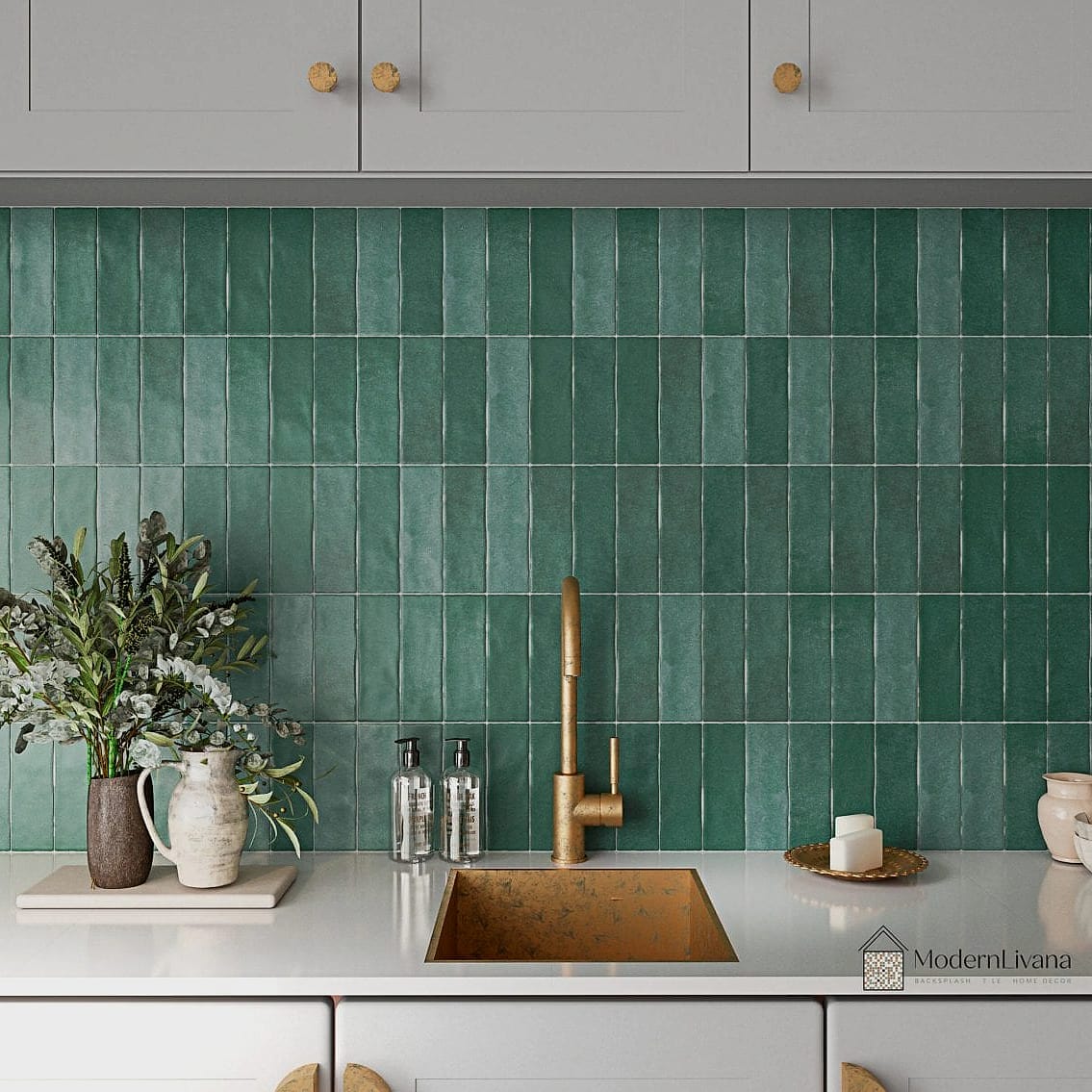
Some subway tile now comes with a slightly textured or rippled surface instead of a flat face, adding a handmade, organic quality to the wall. It catches light in interesting ways throughout the day, especially near a window. This option tends to cost a bit more than flat tile, but it’s worth considering if you want something that feels a little less mass-produced.
Subway Tile with Open Shelving

Pairing a full subway tile backsplash with open shelving instead of upper cabinets lets the tile really shine as the visual anchor of the kitchen. Wood shelves against a white or colored tile backdrop create a nice contrast of textures. Just keep in mind that open shelving means everything on display needs to stay reasonably tidy, so it’s worth investing in matching dishware or a few woven baskets to keep things looking neat.
With 30 different takes on subway tile, there’s really no shortage of ways to make this classic material feel like your own. Whether you stick with a timeless white grid or go bold with color and pattern, subway tile remains one of the most practical, budget-friendly ways to upgrade a kitchen, bathroom, or any other hardworking space in your home.