23 Reclaimed Wood Backsplash Ideas You Haven’t Seen Before
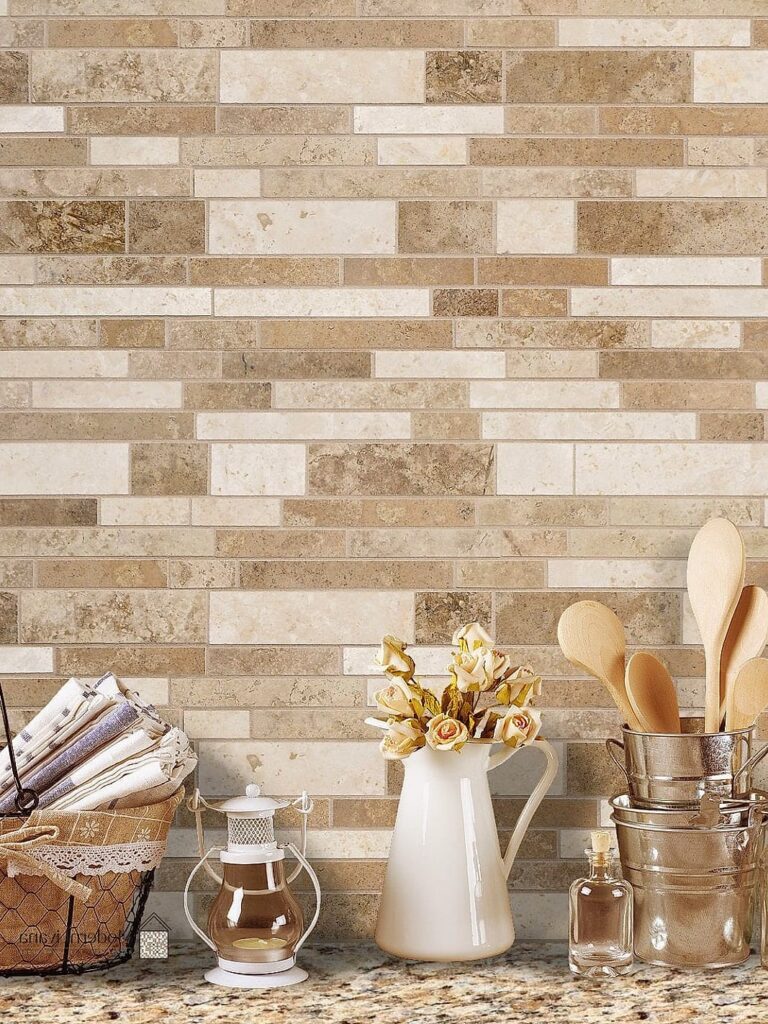
- Herringbone Pattern from Salvaged Barn Boards
- Whitewashed Reclaimed Wood Panels
- Reclaimed Wood Behind Open Shelving
- Chevron-Cut Wood Accent Wall Behind the Range
- Reclaimed Wood Paired with Black Matte Fixtures
- Vertical Plank Installation for a Taller Feel
- Reclaimed Wood in a Basket-Weave Layout
- Salvaged Wine Crate Wood Backsplash
- Reclaimed Wood with Inset Floating Shelves
- Two-Tone Reclaimed Wood Backsplash
- Reclaimed Wood Behind a Butcher Block Counter
- Distressed Wood Planks with Visible Nail Holes
- Reclaimed Wood Framing Around a Tile Backsplash
- Horizontal Shiplap with a Dark Stain
- Reclaimed Wood Backsplash with Built-In Spice Shelf
- Weathered Gray Driftwood-Style Panels
- Reclaimed Wood Paired with a Marble Waterfall Island
- Mini Wood Tile Mosaic Backsplash
- Reclaimed Wood Accent Behind a Range Hood Only
- Peel-and-Stick Reclaimed Wood Planks for Renters
- Reclaimed Wood with Integrated LED Under-Cabinet Lighting
- Reclaimed Wood Backsplash with a Copper or Brass Range Hood
- Reclaimed Wood in a Small Butler’s Pantry or Coffee Station
23 Reclaimed Wood Backsplash Ideas You Haven’t Seen Before
If you’ve spent any time scrolling kitchen inspiration, you’ve probably noticed reclaimed wood backsplashes are having a real moment. And honestly? It makes sense. There’s something about weathered barnwood or salvaged timber behind a stove that just feels warmer than another slab of subway tile.
But here’s the thing — most articles show you the same five barnwood photos on repeat. I wanted to put together something different, with ideas that actually push past the basic “shiplap behind the sink” look. So grab a coffee, and let’s get into 23 reclaimed wood backsplash ideas you haven’t seen before.
Herringbone Pattern from Salvaged Barn Boards
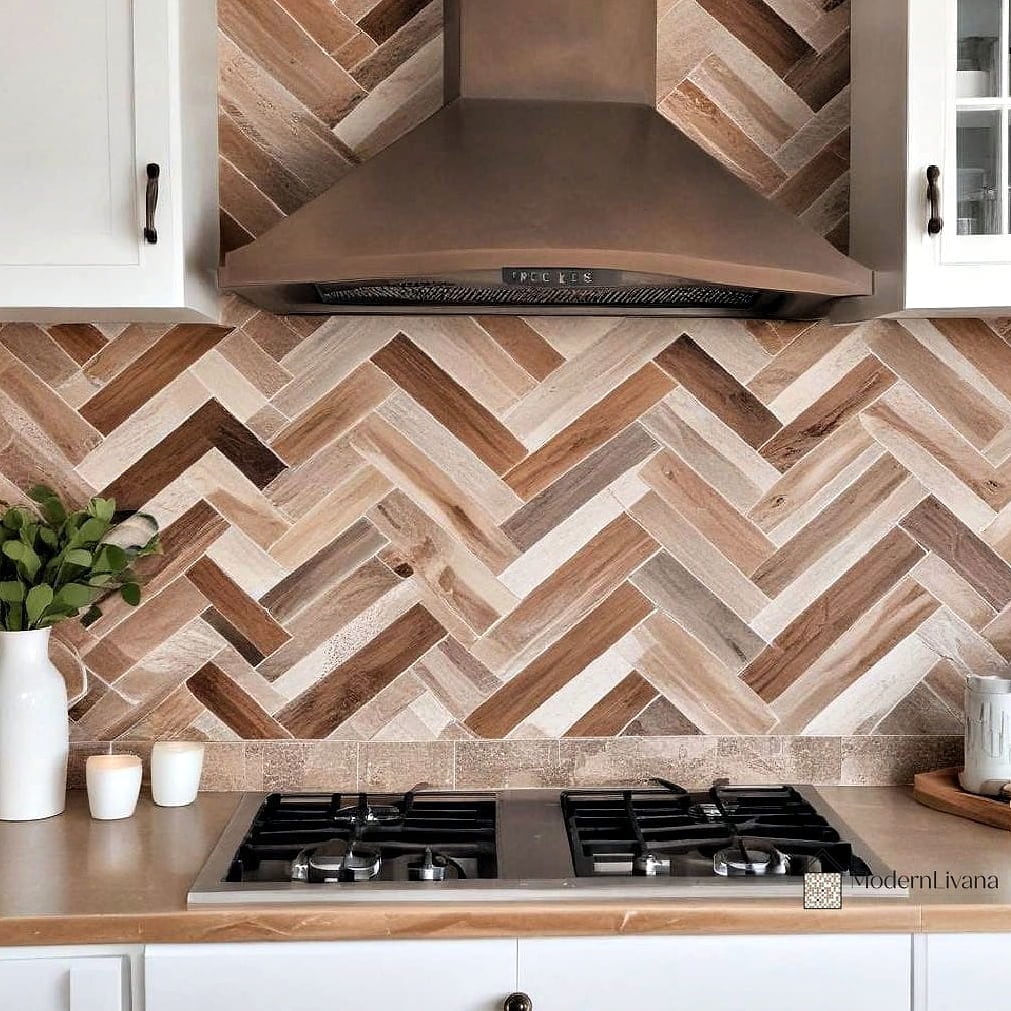
Instead of laying your reclaimed boards horizontally, try a herringbone pattern for something that feels more custom. The angled lines add movement to an otherwise flat wall, and the mix of weathered tones in barnwood makes each zigzag look slightly different.
This works especially well in farmhouse or modern rustic kitchens where you want texture without pattern overload. It’s a bit more labor-intensive to install since every piece needs precise cuts, so this one leans toward a weekend project for confident DIYers rather than a quick afternoon fix.
Whitewashed Reclaimed Wood Panels
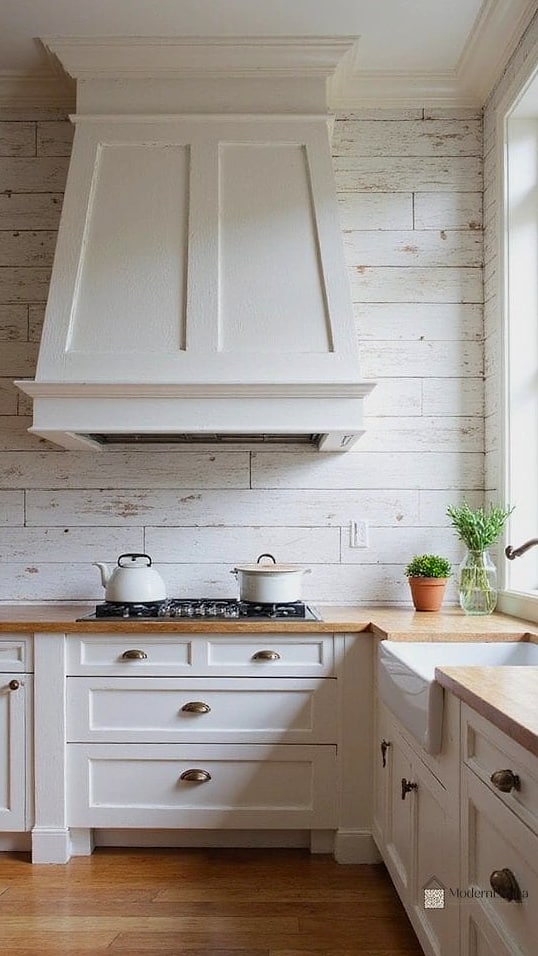
If you love the texture of reclaimed wood but not the darker, heavier look, a whitewash treatment softens everything up. You still get the knots, grain, and character marks, just in a lighter, breezier palette.
This pairs beautifully with white shaker cabinets or a neutral color palette overall. It’s also a smart pick for smaller kitchens since lighter tones bounce natural light around instead of absorbing it.
Reclaimed Wood Behind Open Shelving

Skip upper cabinets entirely and let a reclaimed wood backsplash serve as the backdrop for open shelving. The rough texture behind clean dishware or glass jars creates a nice contrast that feels curated, not cluttered.
This is a favorite among people who like to display their everyday items rather than hide them away. Just know it does require a little more upkeep since everything on those shelves stays visible and needs occasional dusting.
Chevron-Cut Wood Accent Wall Behind the Range
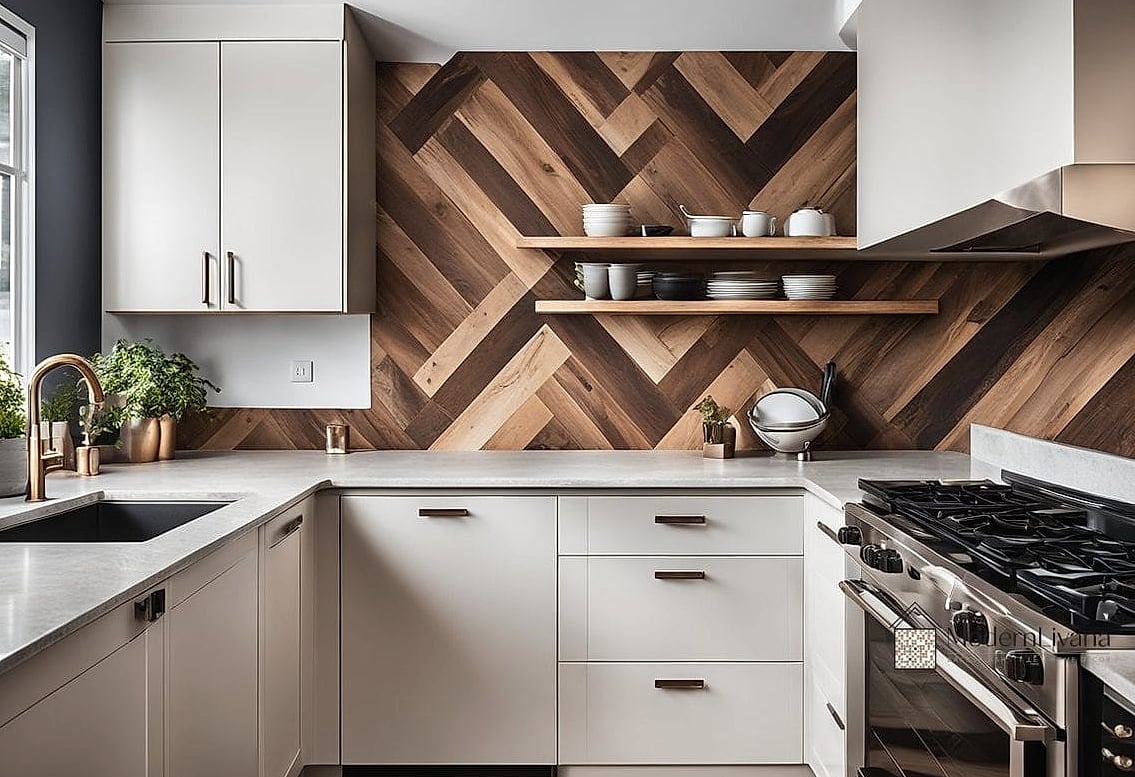
The chevron pattern (where boards meet at a point rather than offset like herringbone) creates a bold V-shaped focal point. Center it behind your range for a dramatic effect that draws the eye immediately.
Because it’s such a statement, I’d keep everything else in the kitchen fairly simple — plain countertops, minimal hardware, that sort of thing. Let the wood do the talking.
Reclaimed Wood Paired with Black Matte Fixtures

There’s something about pairing rough, aged wood with sleek black matte faucets and cabinet pulls that just works. The contrast between rustic and modern keeps the whole space from feeling too “cabin in the woods.”
This combo is popular in transitional kitchens that want a foot in both the traditional and contemporary camps. Brushed brass hardware is a nice alternative if you want warmth instead of contrast.
Vertical Plank Installation for a Taller Feel

Most reclaimed wood backsplashes run horizontal, so flipping to a vertical installation instantly feels less expected. It also has a practical bonus: vertical lines draw the eye upward, which makes low ceilings feel taller.
This is a great option for older homes with shorter kitchen ceilings where you want the illusion of extra height without any actual construction.
Reclaimed Wood in a Basket-Weave Layout

Rather than straight rows, arrange short wood segments in a basket-weave pattern, alternating horizontal and vertical pieces in a grid. It’s an unexpected layout that reads almost like a textile pattern once installed.
It takes patience to plan out the spacing, but the payoff is a backsplash that genuinely doesn’t look like anyone else’s. Great for a kitchen that already leans eclectic.
Salvaged Wine Crate Wood Backsplash
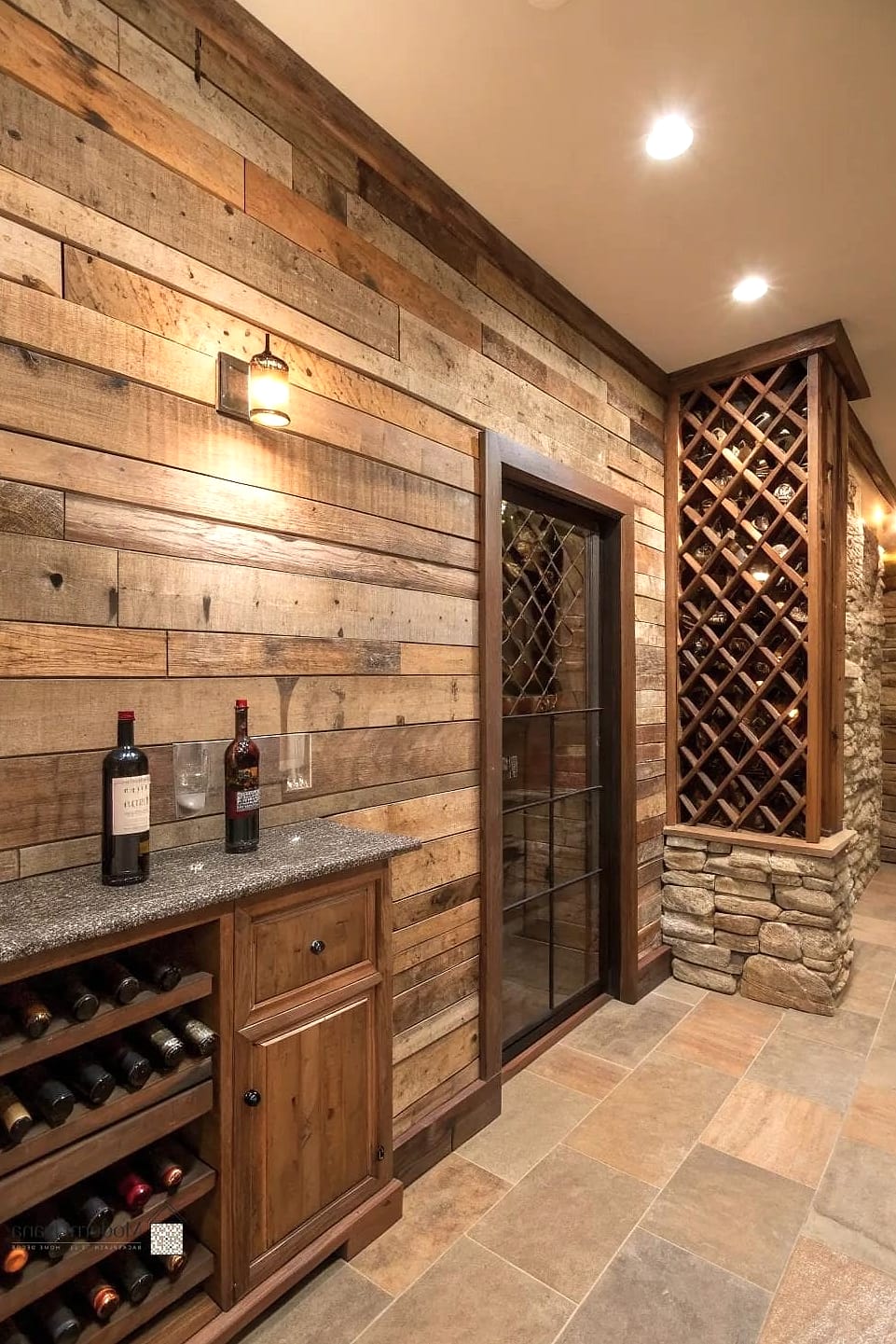
If you can get your hands on old wine crates, the wood inside is often stamped with faded logos, numbers, or lettering — details you can’t replicate with new material. Piecing these together creates a backsplash with built-in storytelling.
It’s a fun option for wine lovers or anyone with a home bar area. Just seal it well since crate wood can be thinner and more prone to wear.
Reclaimed Wood with Inset Floating Shelves

Instead of mounting shelves on top of the backsplash, recess them slightly into the wood so they sit flush. It’s a subtle detail, but it gives the whole wall a built-in, custom-carpentry look rather than something added on afterward.
This works best when planned during a full renovation, since it requires framing adjustments. Not exactly a weekend DIY, but worth it if you’re already tearing into the walls.
Two-Tone Reclaimed Wood Backsplash
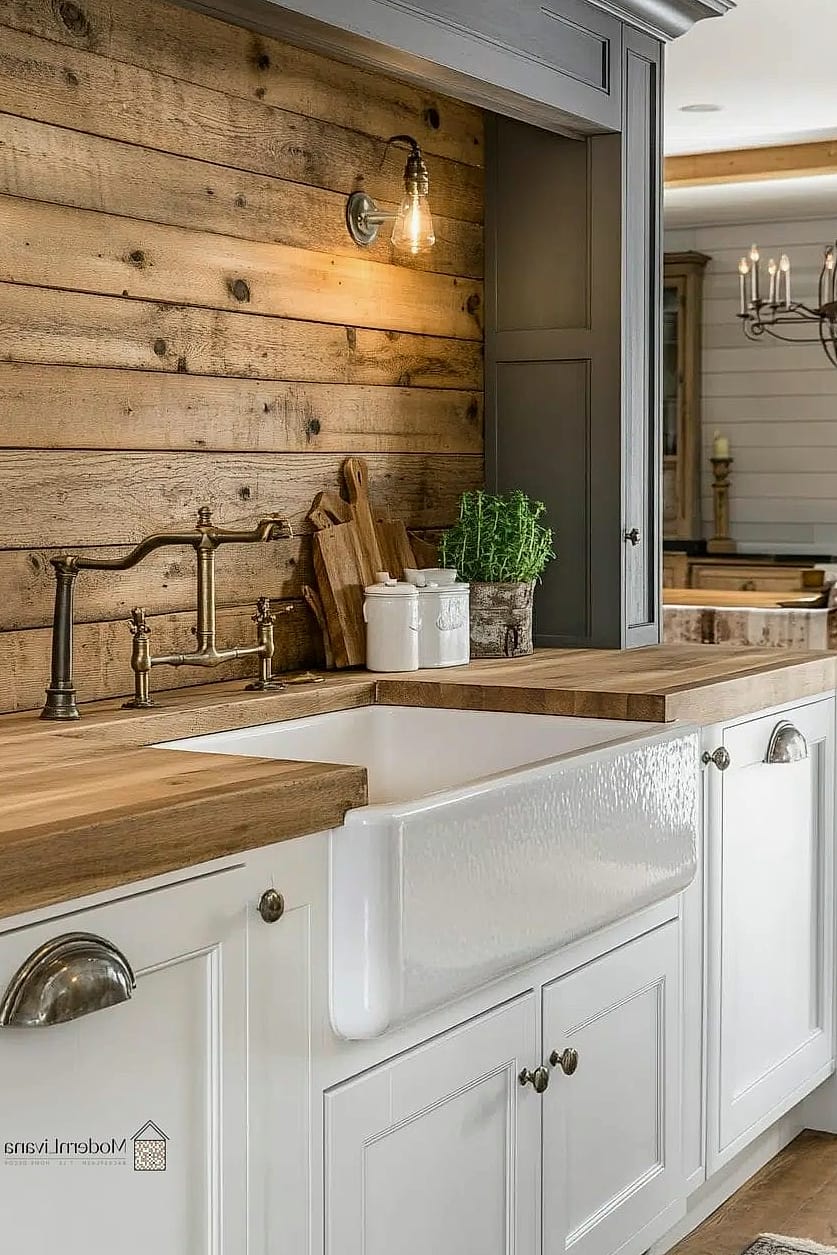
Combine two different reclaimed wood tones — say, a warm honey color and a deeper walnut — in alternating sections or a clear pattern. It reads as more intentional than mismatched barnwood thrown together randomly.
I like this for kitchens that want warmth but not an overly monochromatic look. It also gives you flexibility to use whatever reclaimed pieces you happen to find, since the mixing is the point.
Reclaimed Wood Behind a Butcher Block Counter

Pair a wood backsplash with a butcher block countertop for a fully wood-on-wood moment. To keep it from feeling flat, vary the wood tones slightly or choose a different grain direction for the backsplash versus the counter.
This is a natural fit for farmhouse kitchens, and it’s genuinely practical too, since both materials age together instead of clashing over time.
Distressed Wood Planks with Visible Nail Holes
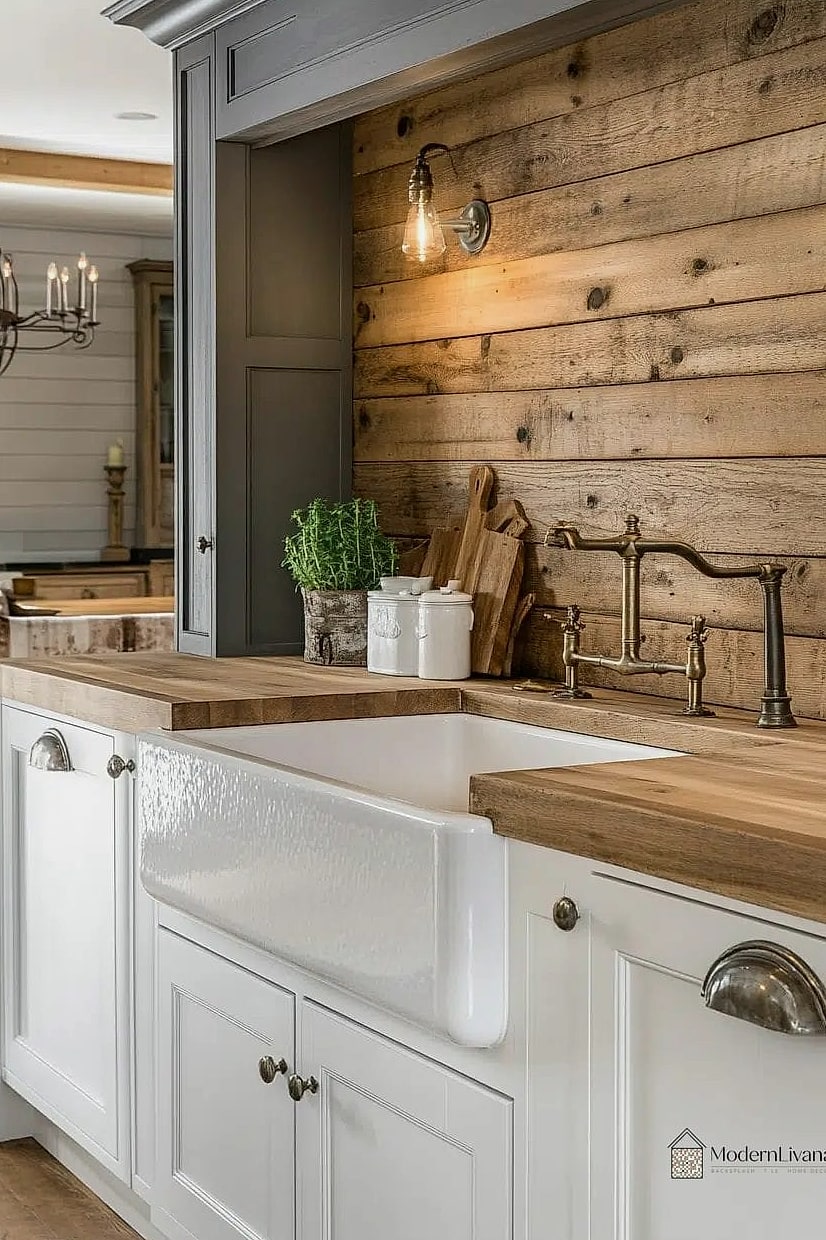
Some reclaimed wood comes with old nail holes, saw marks, or even faded paint splatters still intact. Rather than sanding all of that away, lean into it. Those imperfections are basically free character.
This look photographs beautifully in natural light and tends to be a favorite for cottage-style or vintage-inspired kitchens.
Reclaimed Wood Framing Around a Tile Backsplash

Not ready to commit to an entire wood wall? Use reclaimed wood as a frame or border around a section of tile — subway tile, zellige tile, or even plain ceramic. It’s a hybrid approach that gives you texture without going all in.
This is a solid middle ground for renters or anyone hesitant to commit to a bigger material change.
Horizontal Shiplap with a Dark Stain
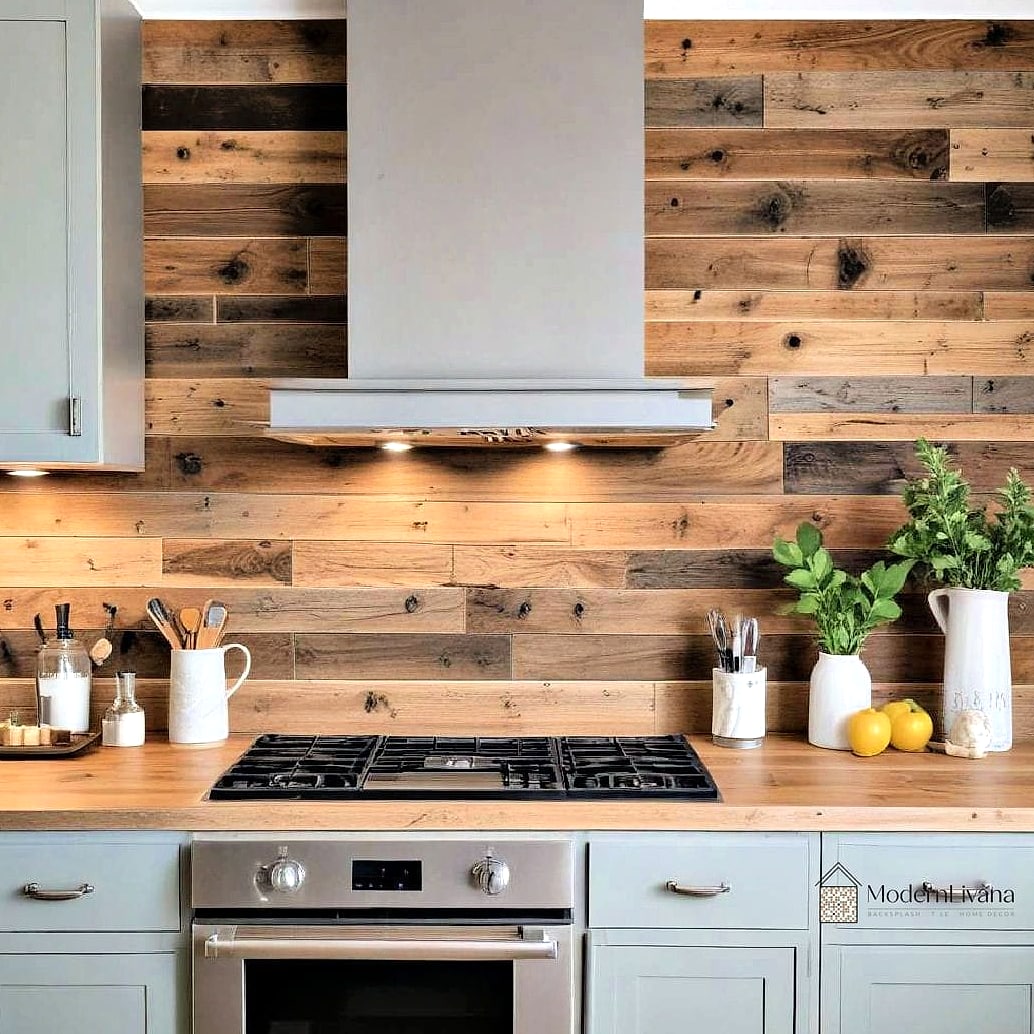
Shiplap gets a bad reputation for being overused, but a dark walnut or espresso stain gives it a completely different mood than the classic farmhouse white version. It reads more moody and modern than country cottage.
Pair with brass hardware for warmth, or keep it monochrome with black fixtures for something sleeker.
Reclaimed Wood Backsplash with Built-In Spice Shelf

Incorporate a narrow ledge directly into the wood paneling design, just deep enough to hold spice jars or cooking oils. It’s a small functional detail that also breaks up a large wood surface visually.
Great for people who cook often and want ingredients within arm’s reach without cluttering the counter.
Weathered Gray Driftwood-Style Panels
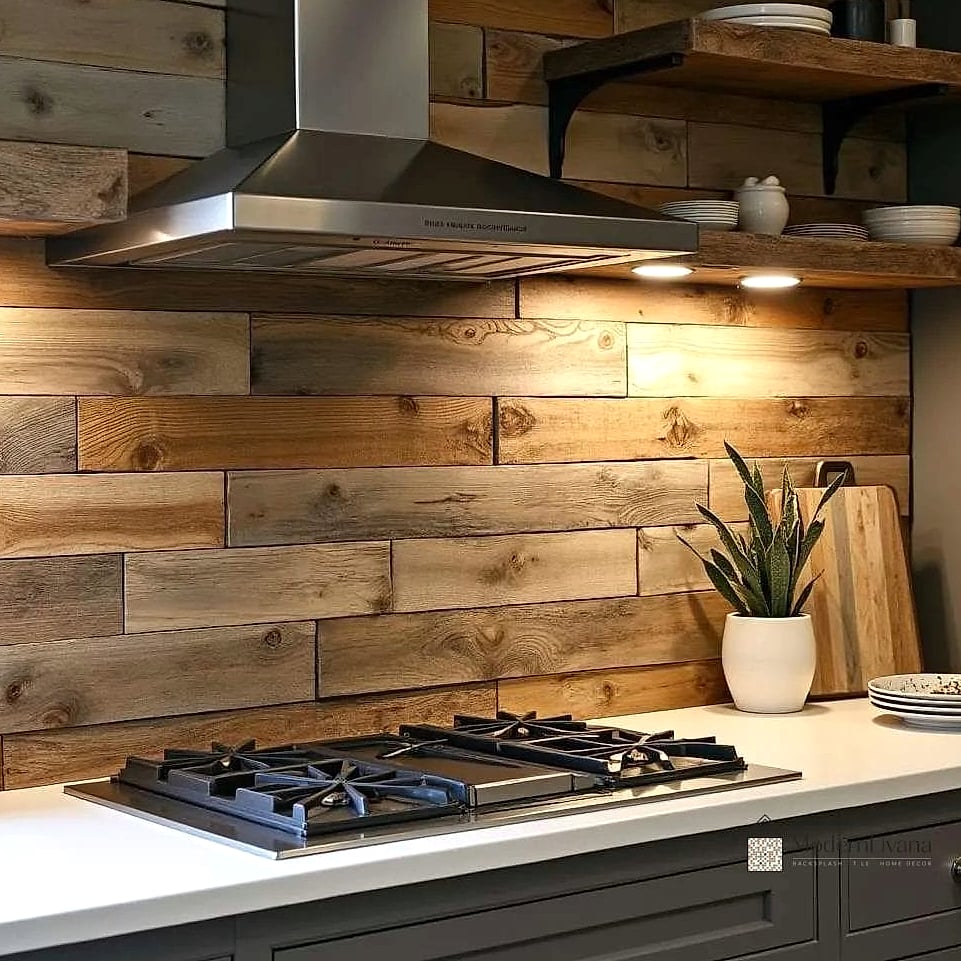
If your reclaimed wood doesn’t naturally have that silvery, driftwood look, some finishes can mimic it. This cooler-toned wood pairs nicely with coastal or Scandinavian-inspired kitchens, especially alongside white countertops and natural stone accents.
It’s a nice option if you want the reclaimed texture without leaning too rustic or farmhouse.
Reclaimed Wood Paired with a Marble Waterfall Island

This one’s for anyone who wants contrast between raw and refined. Rough, aged wood on the backsplash next to a smooth marble waterfall island creates real visual tension — in a good way. It keeps a kitchen from feeling like it’s leaning too hard into any single style.
Because marble can be a splurge, this pairing tends to show up more in higher-budget renovations.
Mini Wood Tile Mosaic Backsplash
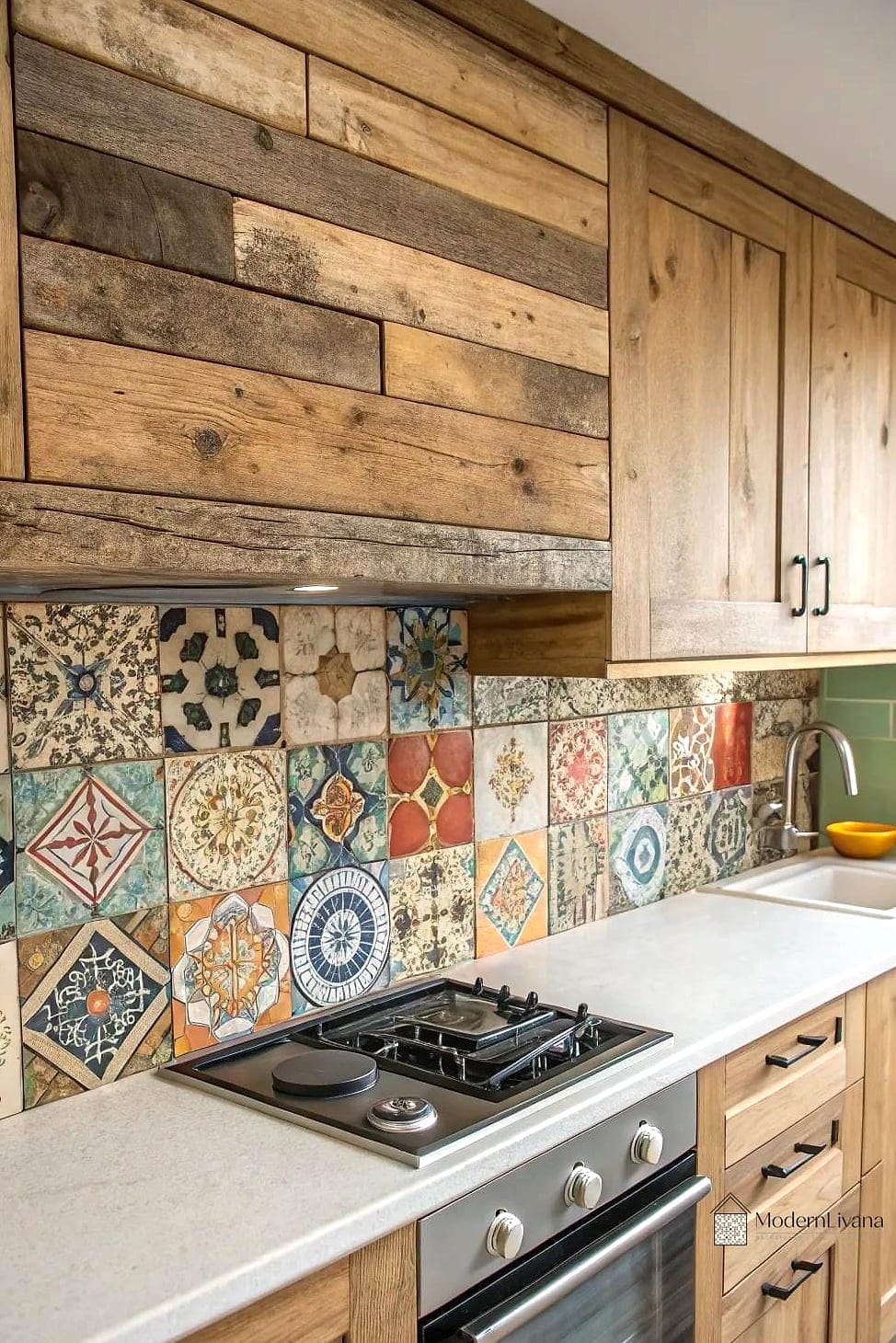
Cut reclaimed wood into small, tile-sized squares and install them like a mosaic. It’s more labor-intensive than full planks, but it gives you a totally different texture — more like a woven surface than distinct boards.
This is one of those ideas that genuinely surprises people, since most don’t expect wood to be installed this way.
Reclaimed Wood Accent Behind a Range Hood Only

Rather than covering the whole wall, isolate reclaimed wood to just the area behind your range hood. It creates a focal point without a full commitment, and it’s considerably more budget-friendly since you’re covering way less square footage.
This is a smart entry point if you’re testing whether you’ll actually like the look long-term.
Peel-and-Stick Reclaimed Wood Planks for Renters
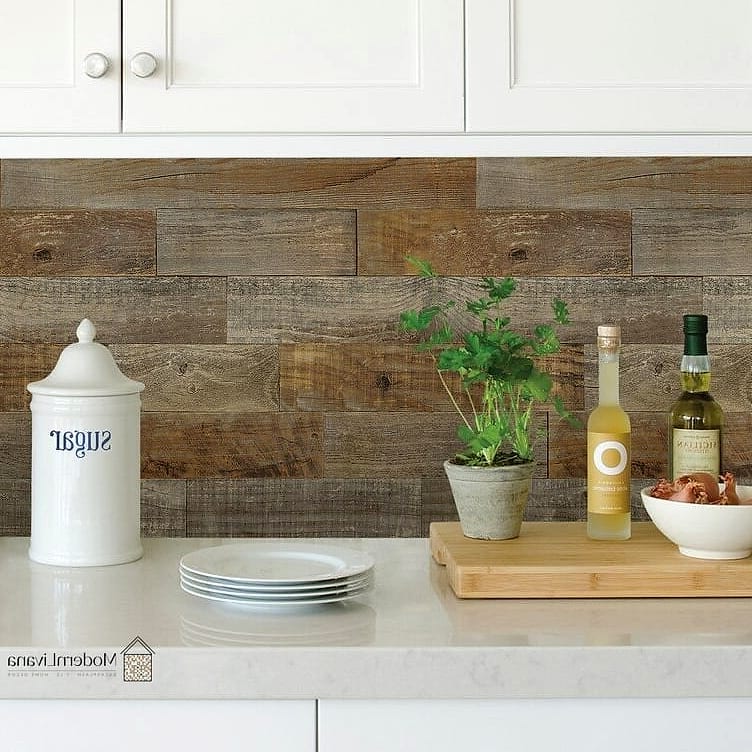
Yes, this exists, and it’s come a long way. Peel-and-stick reclaimed wood-look planks give you the texture and warmth without any permanent installation, which makes it a genuinely renter-friendly option.
It’s not going to have quite the same depth as real salvaged wood, but for a rental or a low-commitment refresh, it does the job well.
Reclaimed Wood with Integrated LED Under-Cabinet Lighting

Layered lighting changes everything, and reclaimed wood backsplashes are no exception. Adding warm LED strips underneath your cabinets highlights the grain and texture of the wood in the evening, giving the whole kitchen a cozier glow.
This is an easy upgrade to pair with an existing wood backsplash if you already have one installed and want to give it a refresh without redoing the whole wall.
Reclaimed Wood Backsplash with a Copper or Brass Range Hood

Metal and wood together create a rich, layered look, especially when you go with warm metals like copper or brass instead of stainless steel. The reclaimed wood’s texture plays nicely against the smooth, reflective metal surface.
This combination tends to show up in kitchens going for an “old-world meets industrial” vibe, and it photographs incredibly well thanks to the contrast.
Reclaimed Wood in a Small Butler’s Pantry or Coffee Station

If a full kitchen backsplash feels like too much, scale the idea down to a butler’s pantry, coffee bar, or beverage station instead. It’s a smaller footprint, meaning less material and lower cost, but you still get all that reclaimed wood charm in a space you’ll see and use daily.
This is one of my favorite low-risk ways to try reclaimed wood before deciding whether to commit to it in the main kitchen.
Final Thoughts
Reclaimed wood backsplashes aren’t going anywhere anytime soon, and honestly, I don’t think they should. There’s a warmth and history to salvaged wood that manufactured materials just can’t fake.
Whether you go full accent wall or just dip a toe in with a small coffee nook, there’s a version of this trend that fits almost any budget, skill level, and design style. Pick the one that feels most like you, and don’t be afraid to mix a couple of these ideas together.