29 Kitchen Cabinet Ideas for Every Home Style and Budget

- Classic White Shaker Cabinets
- Two-Tone Cabinet Combinations
- Matte Black Cabinetry
- Natural Wood Cabinets
- Glass-Front Upper Cabinets
- Open Shelving Instead of Upper Cabinets
- Handleless Flat-Panel Cabinets
- Beadboard Cabinet Panels
- Cabinets That Reach the Ceiling
- Furniture-Style Island Cabinets
- Slab Front Cabinets in Warm Neutrals
- Cabinets with Built-In Wine Storage
- Distressed or Antiqued Cabinet Finishes
- Cabinets with Integrated Appliances
- Cabinet Toe-Kick Drawers
- Reeded or Fluted Cabinet Fronts
- Cabinet Color Drenching
- Cabinets with Pull-Out Pantry Storage
- Warm Espresso Wood Cabinets
- Cabinets with Corner Carousel Storage
- Mixed Material Cabinet Fronts
- Cabinets with Built-In Trash and Recycling Pull-Outs
- Sage or Olive Green Cabinets
- Cabinets with Open Cubby Storage
- Painted Cabinet Refresh on a Budget
- New Hardware on Existing Cabinets
- Cabinet Door Replacement Only
- Peel-and-Stick Cabinet Wraps
- Refacing Cabinets with Veneer
- Mixing Custom and Stock Cabinets
29 Kitchen Cabinet Ideas for Every Home Style and Budget
Your cabinets do more heavy lifting than almost anything else in your kitchen. They set the tone before anyone even notices the countertops or the backsplash. If you’re planning a full remodel or just want to freshen things up without gutting the whole room, there’s a cabinet idea here for pretty much every budget and style.
I’ve pulled together 29 options that range from simple paint updates to full custom builds, so you can find something that actually fits your space and your wallet.
Classic White Shaker Cabinets
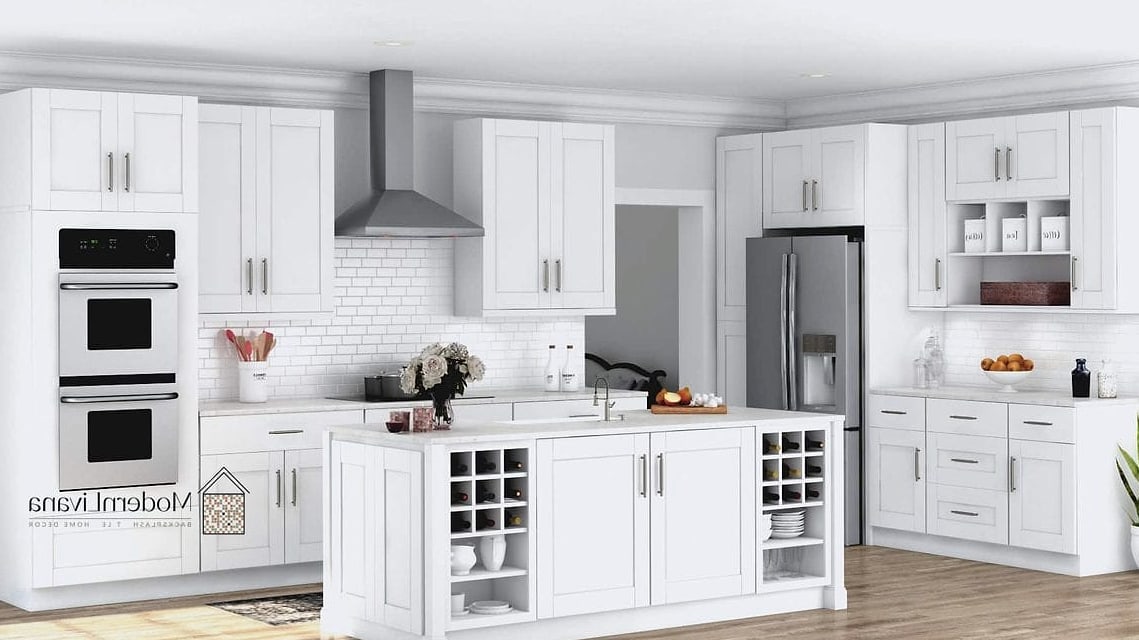
Shaker style cabinets never really go out of favor, and white keeps things bright and adaptable. The recessed panel design gives just enough detail without feeling fussy. This works in almost any kitchen size, from tiny galley layouts to sprawling open-concept spaces. It’s also one of the easiest styles to resell a home with later, since buyers tend to love the neutral, clean look.
Two-Tone Cabinet Combinations
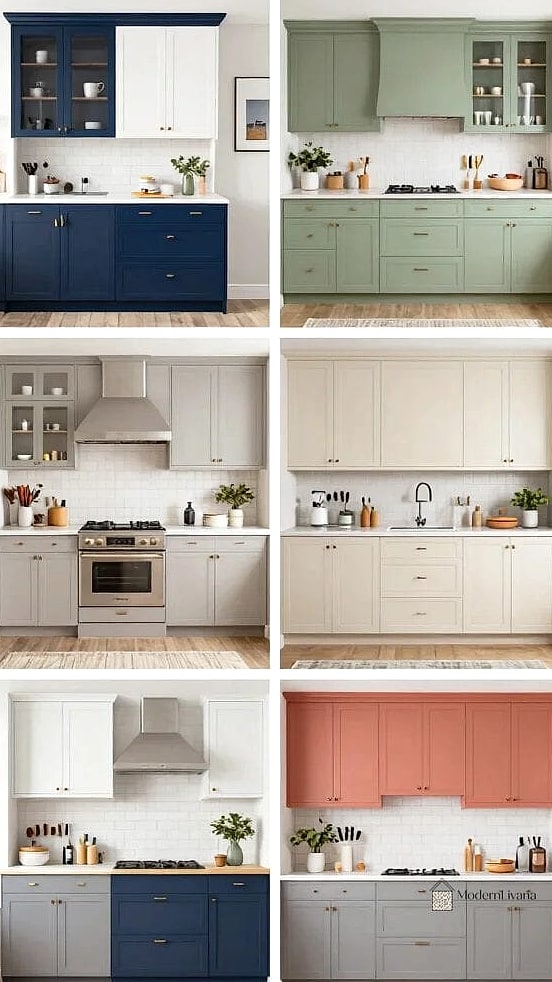
Pairing a dark lower cabinet with a lighter upper cabinet (or vice versa) adds visual interest without overwhelming the room. Navy and white is a popular combo, but sage green with warm wood tones is having a moment too. This approach works especially well in kitchens with an island, since you can make the island the star with a bolder color while keeping perimeter cabinets neutral.
Matte Black Cabinetry
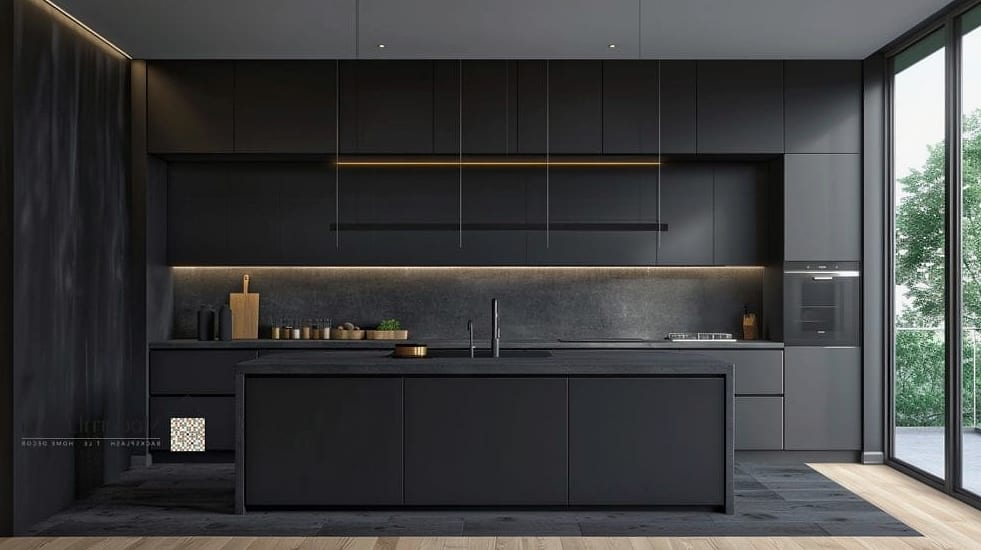
Black cabinets read as moody and sophisticated rather than dark and cave-like, especially when paired with brass hardware and plenty of natural light. Matte finishes hide fingerprints better than glossy black, which matters if you’ve got kids or a busy household. This is a bolder choice, so it works best in kitchens that already get decent daylight.
Natural Wood Cabinets
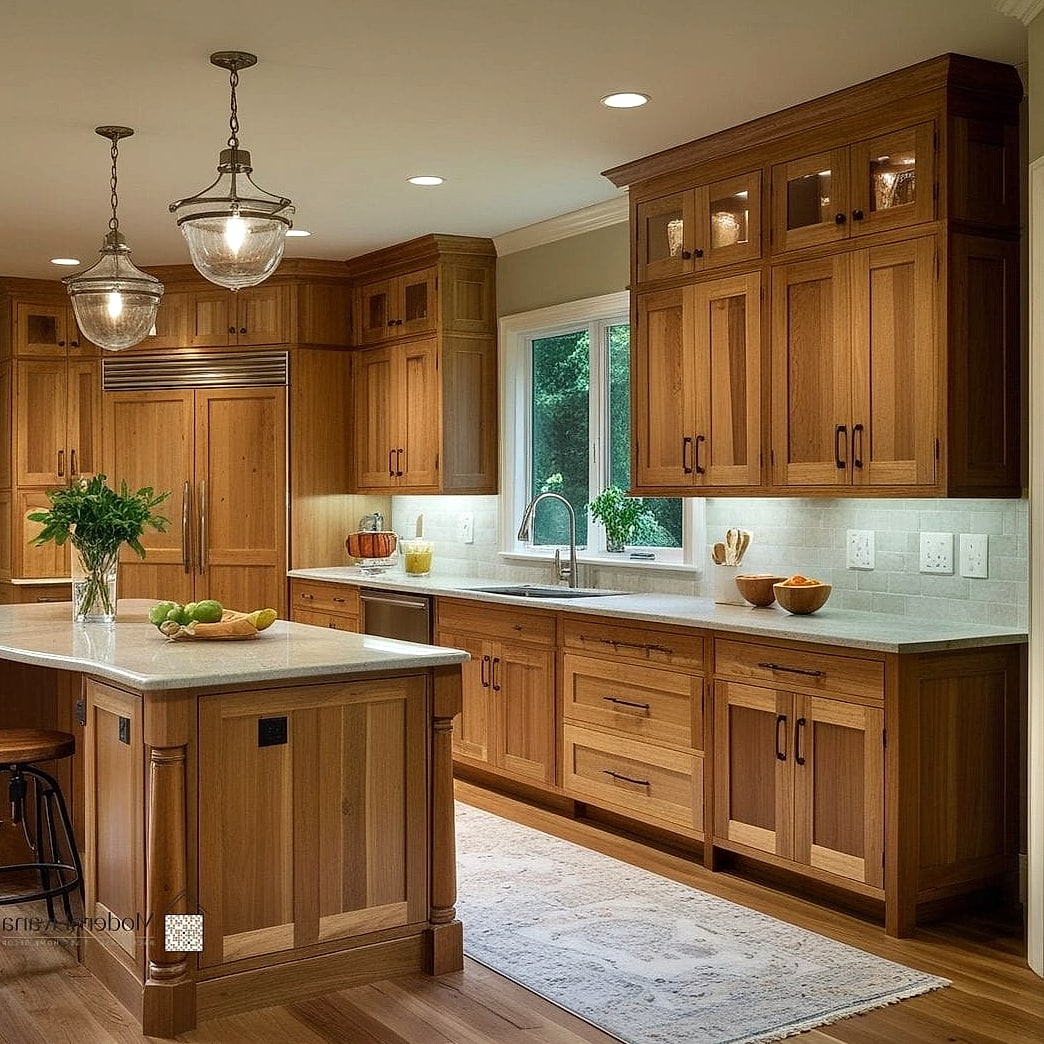
Unfinished or lightly stained wood cabinets bring warmth into a space in a way paint just can’t replicate. Oak and walnut are popular right now, showing off real grain and texture instead of a uniform painted surface. These pair beautifully with brass or matte black hardware and work especially well in farmhouse, mid-century, or Scandinavian-inspired kitchens.
Glass-Front Upper Cabinets
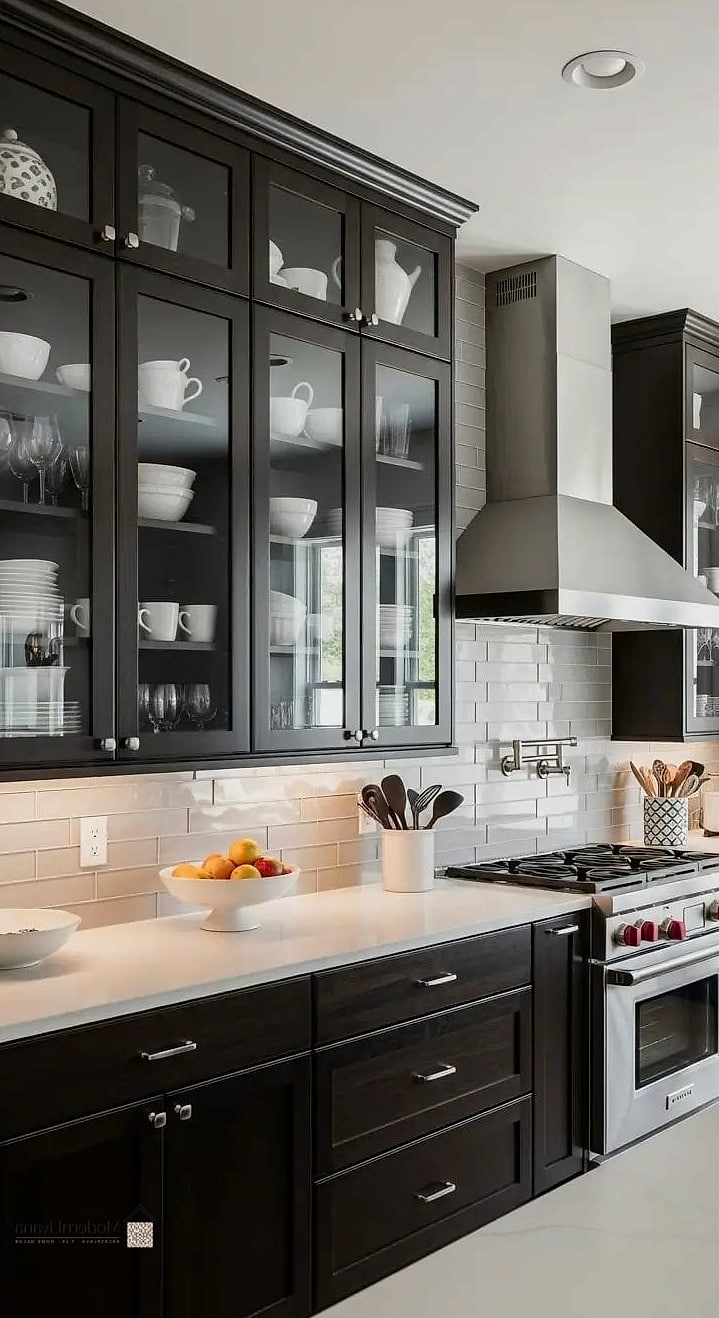
Swapping a few solid upper cabinet doors for glass ones instantly makes a kitchen feel more open. It’s a great way to display pretty dishware or glassware while breaking up a wall of solid cabinetry. Frosted or fluted glass options give you that visual interest without needing everything inside to look perfectly styled all the time.
Open Shelving Instead of Upper Cabinets
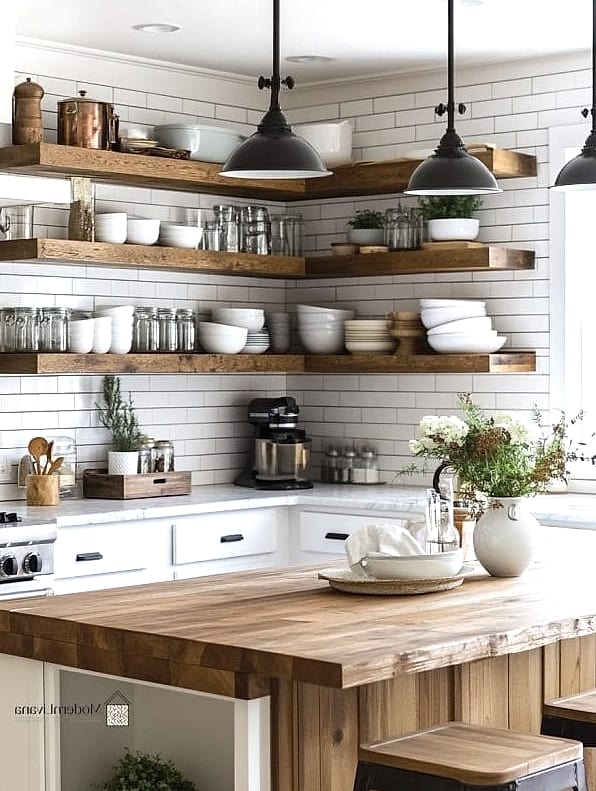
Removing upper cabinets entirely and going with open shelving makes a kitchen feel lighter and more spacious, especially in smaller rooms. It’s not for everyone since it does require more regular tidying, but it’s fantastic for showing off nice dishes or a curated collection. Floating shelves in wood or black metal are the most popular route here.
Handleless Flat-Panel Cabinets

Sleek, hardware-free cabinets with a push-to-open mechanism or integrated finger pull give kitchens a streamlined, modern look. This style shows up a lot in European-inspired kitchens and works particularly well with high-gloss or matte lacquer finishes. It’s a pricier option since the hardware mechanisms cost more, but the payoff is a kitchen that feels custom and architectural.
Beadboard Cabinet Panels

Adding beadboard detailing to cabinet doors or the island base brings a cottage or coastal feel into the kitchen. It’s a subtle texture that photographs beautifully and pairs well with painted finishes in soft blues, whites, or sage greens. This is a nice option if you want charm without going full-on farmhouse.
Cabinets That Reach the Ceiling
Extending upper cabinets all the way to the ceiling eliminates that awkward dust-collecting gap and adds serious storage. It also makes ceilings feel taller, which is a nice trick in standard 8-foot rooms. The top cabinets are great for storing things you don’t need daily, like seasonal serveware or small appliances.
Furniture-Style Island Cabinets
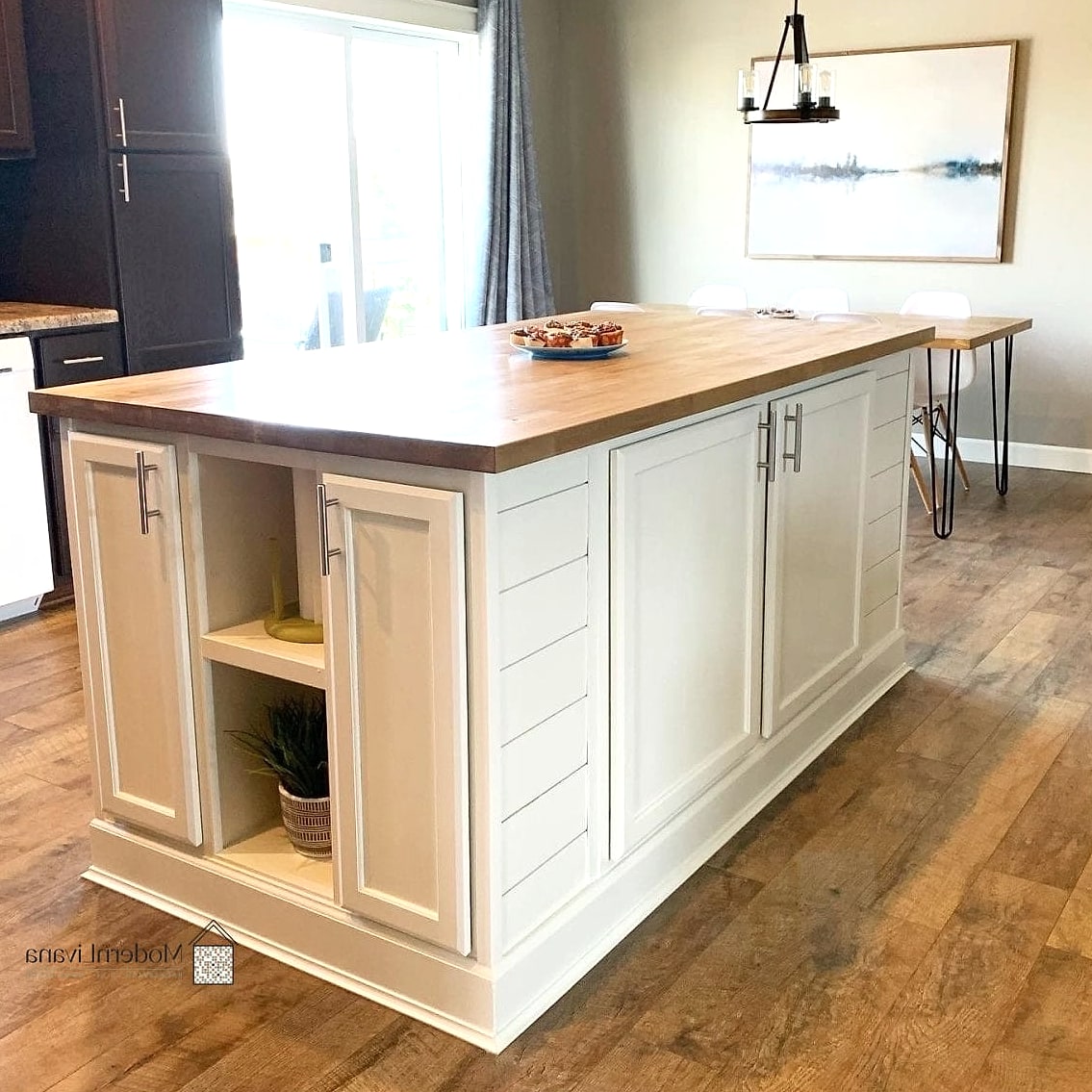
Giving your island a different cabinet style than the rest of the kitchen, like turned legs or a contrasting wood tone, makes it look more like a standalone piece of furniture. This works great in kitchens that open into living spaces, since it softens the transition between “kitchen” and “everything else.” It’s also a fun place to experiment with a bolder color.
Slab Front Cabinets in Warm Neutrals

Flat, minimalist slab doors in colors like greige, warm beige, or soft taupe give a clean, understated look that’s easy to live with long term. This style is popular in modern farmhouse and transitional kitchens because it splits the difference between traditional and contemporary. Slab doors are also generally easier to wipe down since there aren’t grooves for grease to collect in.
Cabinets with Built-In Wine Storage
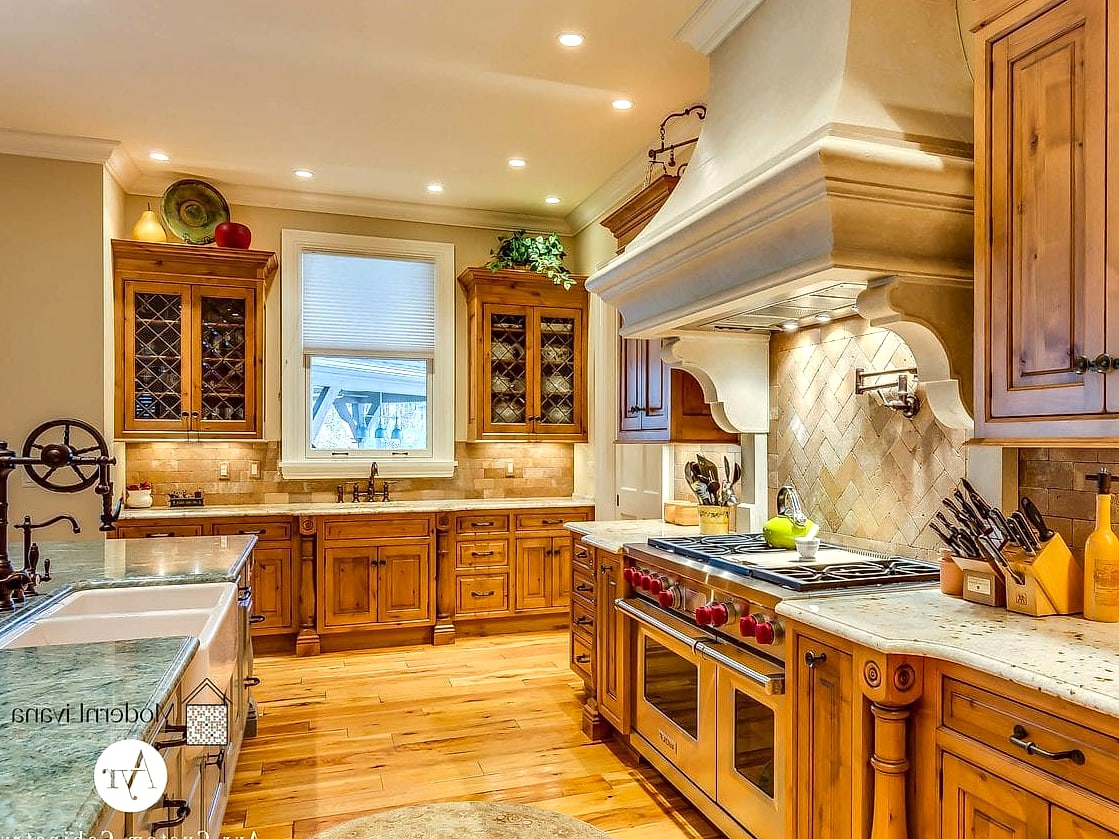
Adding a wine rack or glass rack insert into a cabinet section is a small detail that makes a kitchen feel more thoughtfully designed. It’s especially popular near a coffee bar or beverage station. If you entertain often, this kind of built-in storage keeps glassware handy without cluttering your counters.
Distressed or Antiqued Cabinet Finishes
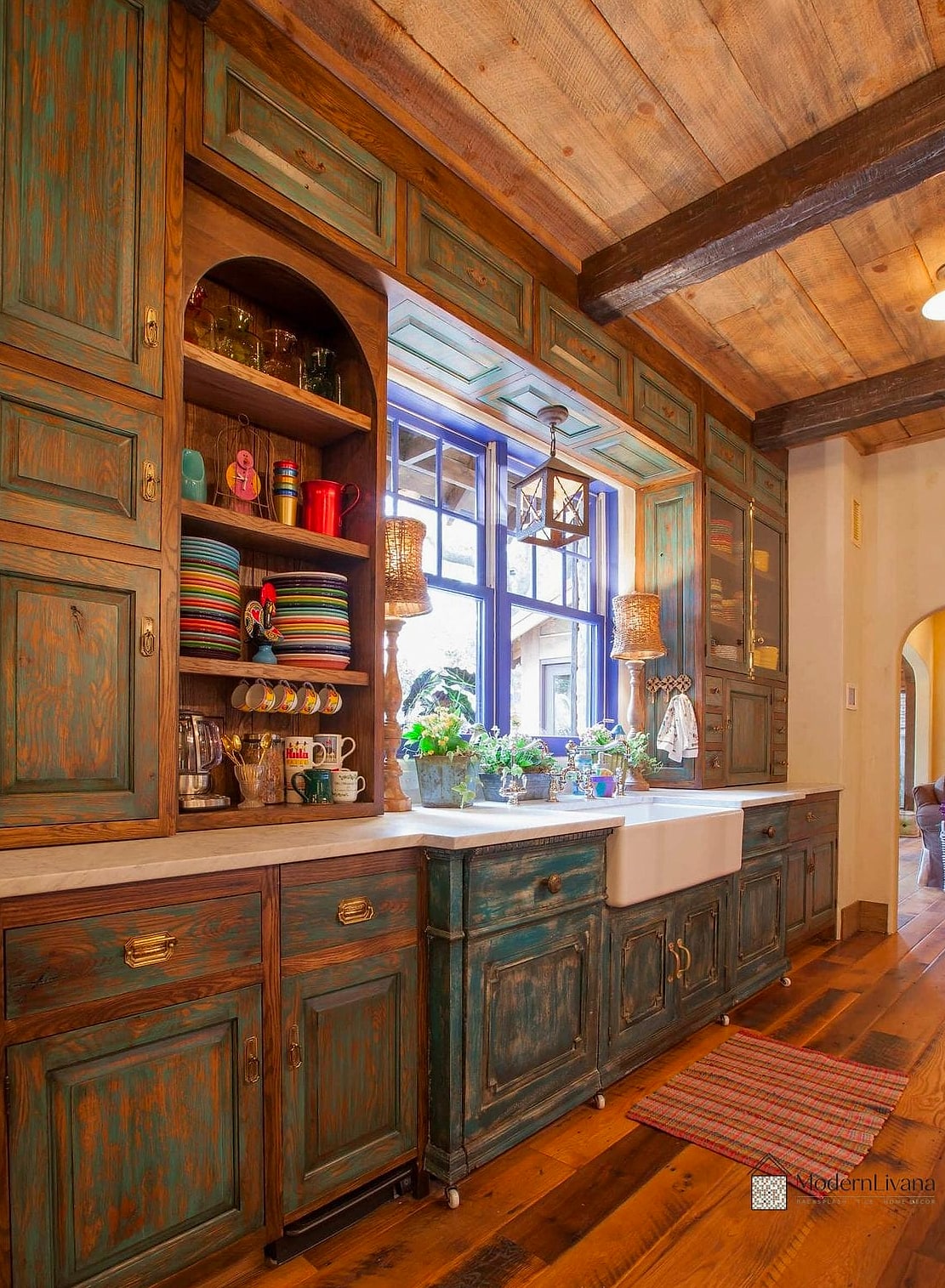
For a more lived-in, European farmhouse look, some homeowners choose glazed or distressed finishes that mimic decades of wear. This works particularly well in older homes where a brand-new glossy finish might feel out of place. It’s a style that hides small dings and scratches better than a flawless painted surface too.
Cabinets with Integrated Appliances

Paneling your dishwasher, refrigerator, or even microwave to match surrounding cabinets creates a seamless look with fewer visual breaks. This is a favorite in high-end kitchens because it makes the whole room feel custom-built rather than assembled from separate parts. It’s a bigger investment, but it pays off in a kitchen that looks cohesive from every angle.
Cabinet Toe-Kick Drawers

Adding a shallow drawer in the toe-kick space, that little gap at the floor most people ignore, is a clever way to sneak in extra storage for baking sheets, step stools, or pet food bowls. It’s a small addition but one of those details that makes people ask how you thought of it. Great for kitchens where every inch of storage counts.
Reeded or Fluted Cabinet Fronts
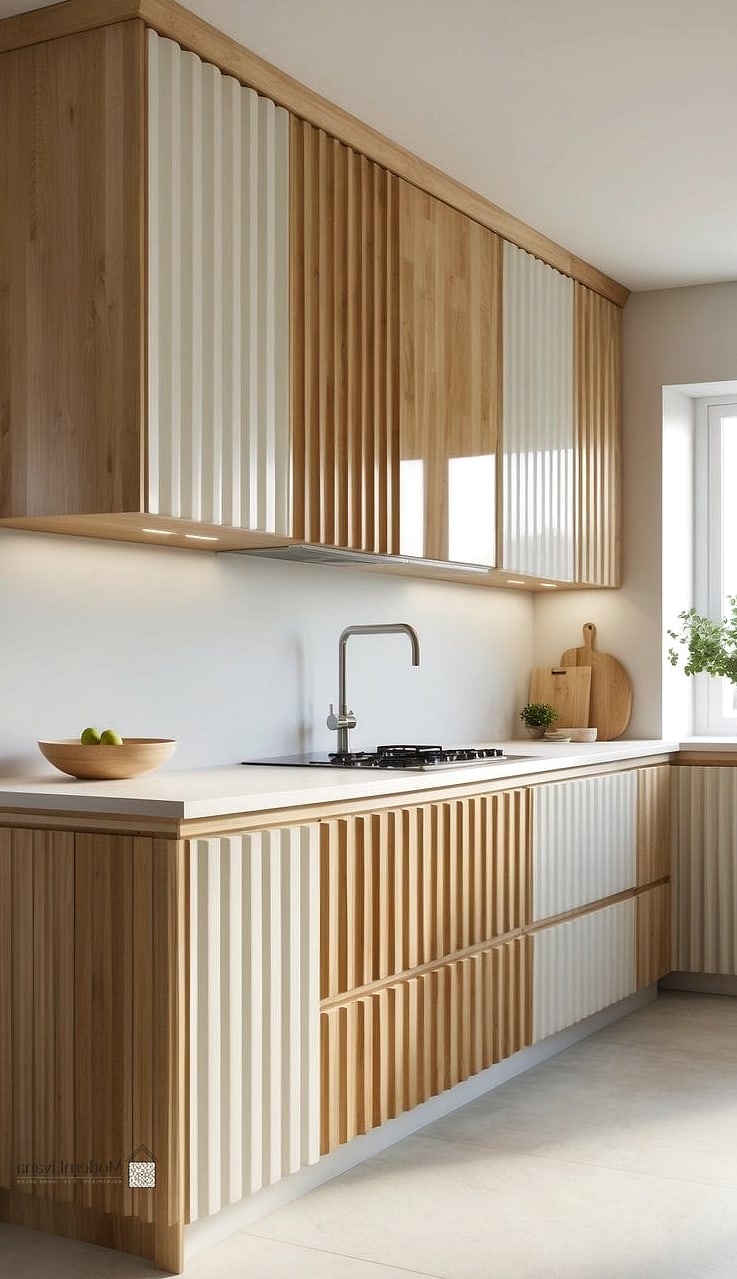
Vertical grooves cut into cabinet doors add texture and dimension without requiring a paint change. This detail has become especially popular on kitchen islands as a way to make them feel more like a designed centerpiece. It catches light beautifully and adds a tactile quality that flat doors just don’t have.
Cabinet Color Drenching
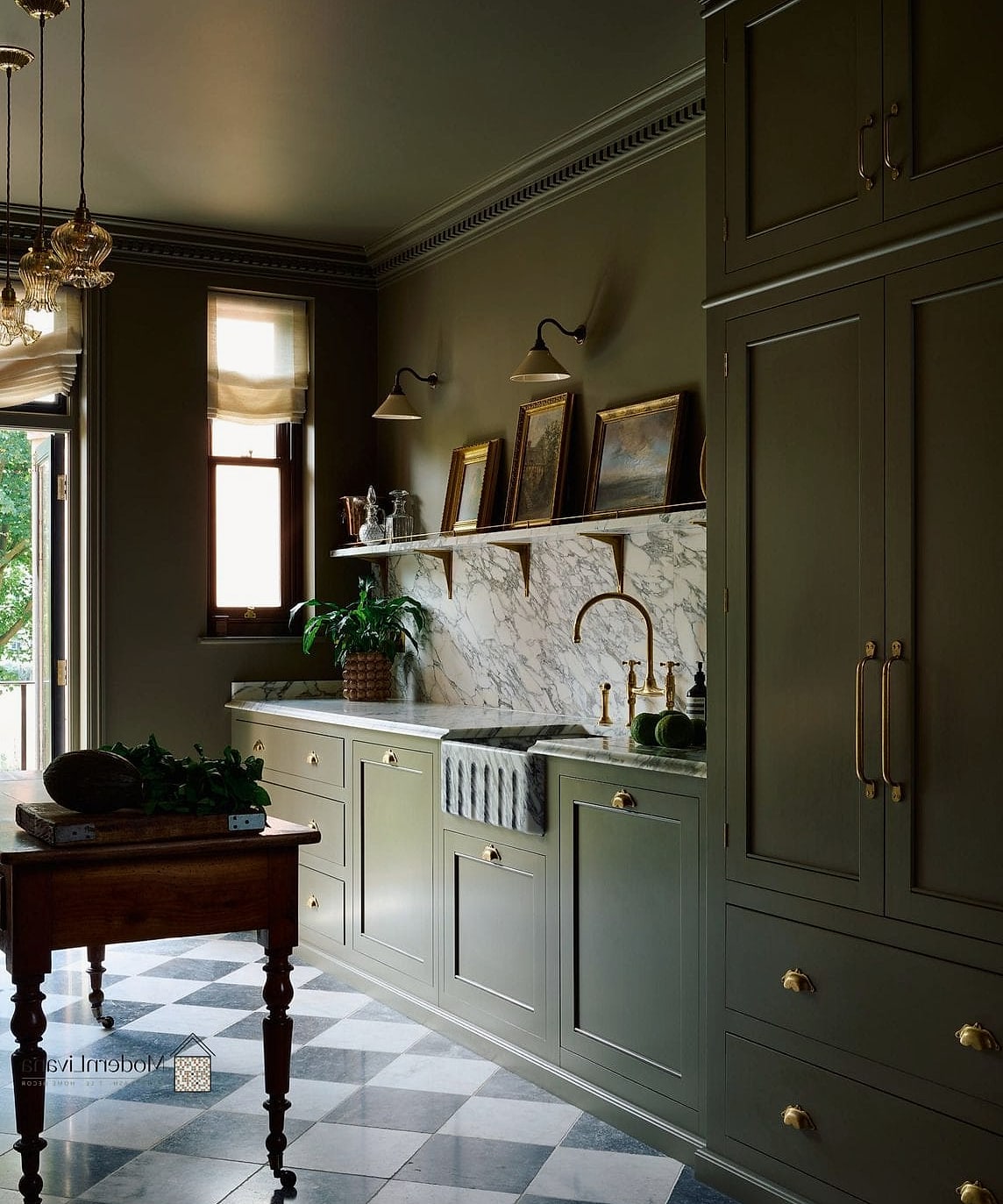
Painting cabinets, walls, and trim all in the same color creates a cohesive, immersive look rather than choppy contrast between surfaces. Deep greens, terracottas, and warm blues are popular choices for this approach. It’s a commitment, but it makes smaller kitchens feel intentional rather than cramped.
Cabinets with Pull-Out Pantry Storage

A tall, narrow pull-out cabinet designed specifically for canned goods, spices, or snacks maximizes storage in kitchens without a dedicated pantry. These slide out fully so you can see everything at once instead of digging through a deep, dark cabinet. It’s a practical upgrade that families especially appreciate.
Warm Espresso Wood Cabinets

Rich, dark brown cabinets bring a cozy, grounded feeling to a kitchen, especially when balanced with lighter countertops and a neutral backsplash. This finish tends to hide everyday wear well, which makes it a solid choice for busy households. Pair with warm brass or oil-rubbed bronze hardware for a look that feels intentional rather than dated.
Cabinets with Corner Carousel Storage

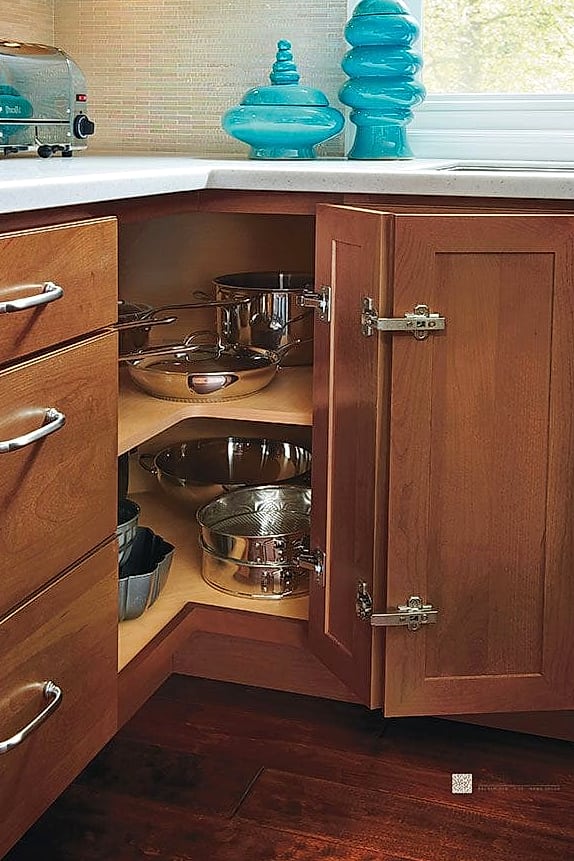
That awkward corner cabinet everyone struggles with gets a whole lot more useful with a lazy Susan or carousel insert. It’s not the flashiest upgrade, but anyone who’s dealt with a black hole corner cabinet knows how much of a difference this makes. Worth considering during any kitchen renovation, even if you’re keeping everything else the same.
Mixed Material Cabinet Fronts
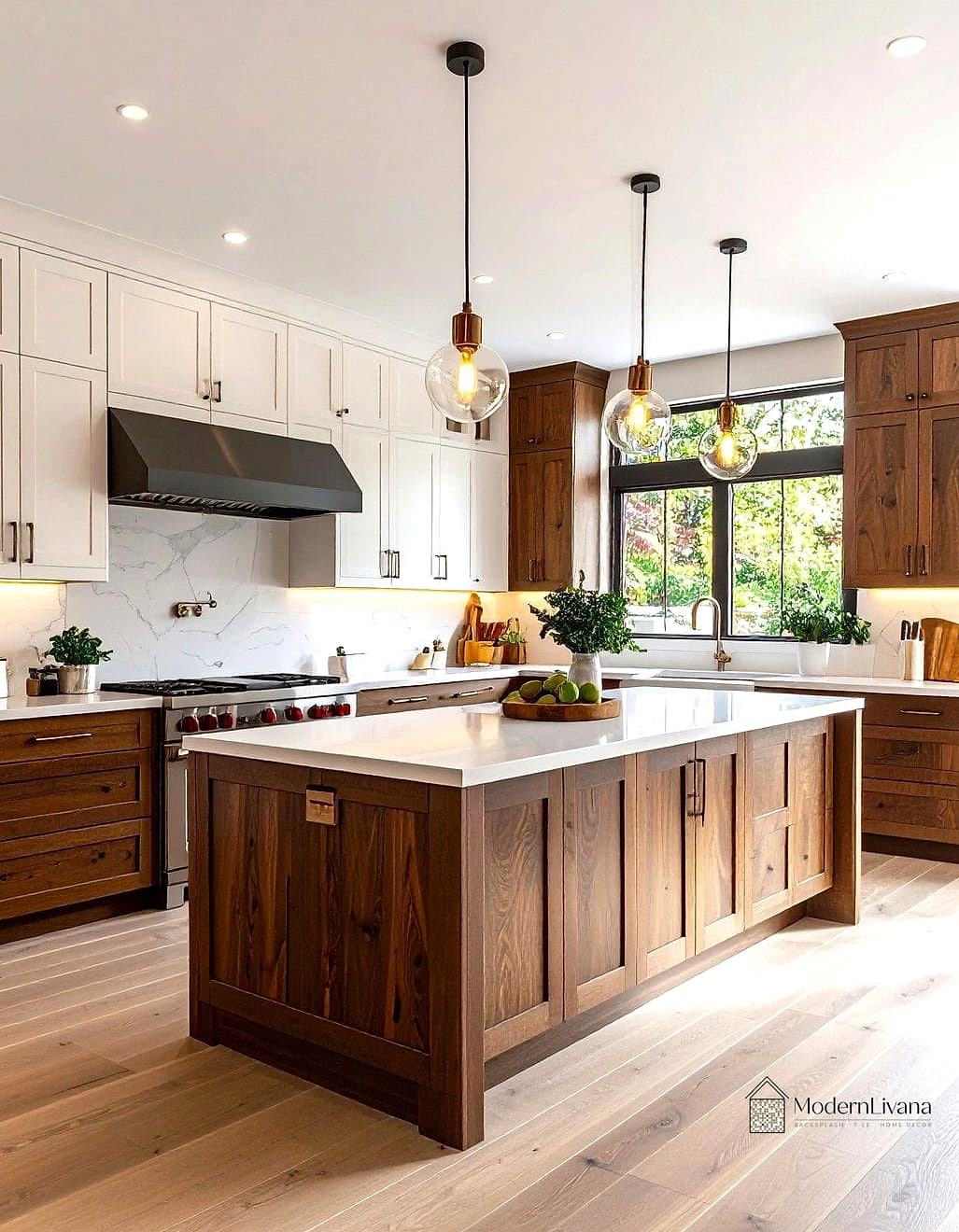
Combining wood and painted cabinet fronts in the same kitchen, rather than sticking to one material throughout, gives a custom, layered look. A common approach is wood on the island with painted perimeter cabinets, or wood open shelving mixed with painted lowers. It keeps things visually interesting without feeling mismatched, as long as you stick to a cohesive color palette.
Cabinets with Built-In Trash and Recycling Pull-Outs

Hiding trash and recycling bins behind a cabinet door instead of leaving them out keeps the kitchen looking tidier and smells more contained. Most cabinet suppliers offer this as a standard option now, and it’s an easy addition during a remodel. It’s one of those upgrades you don’t think about until you have it, and then wonder how you lived without it.
Sage or Olive Green Cabinets
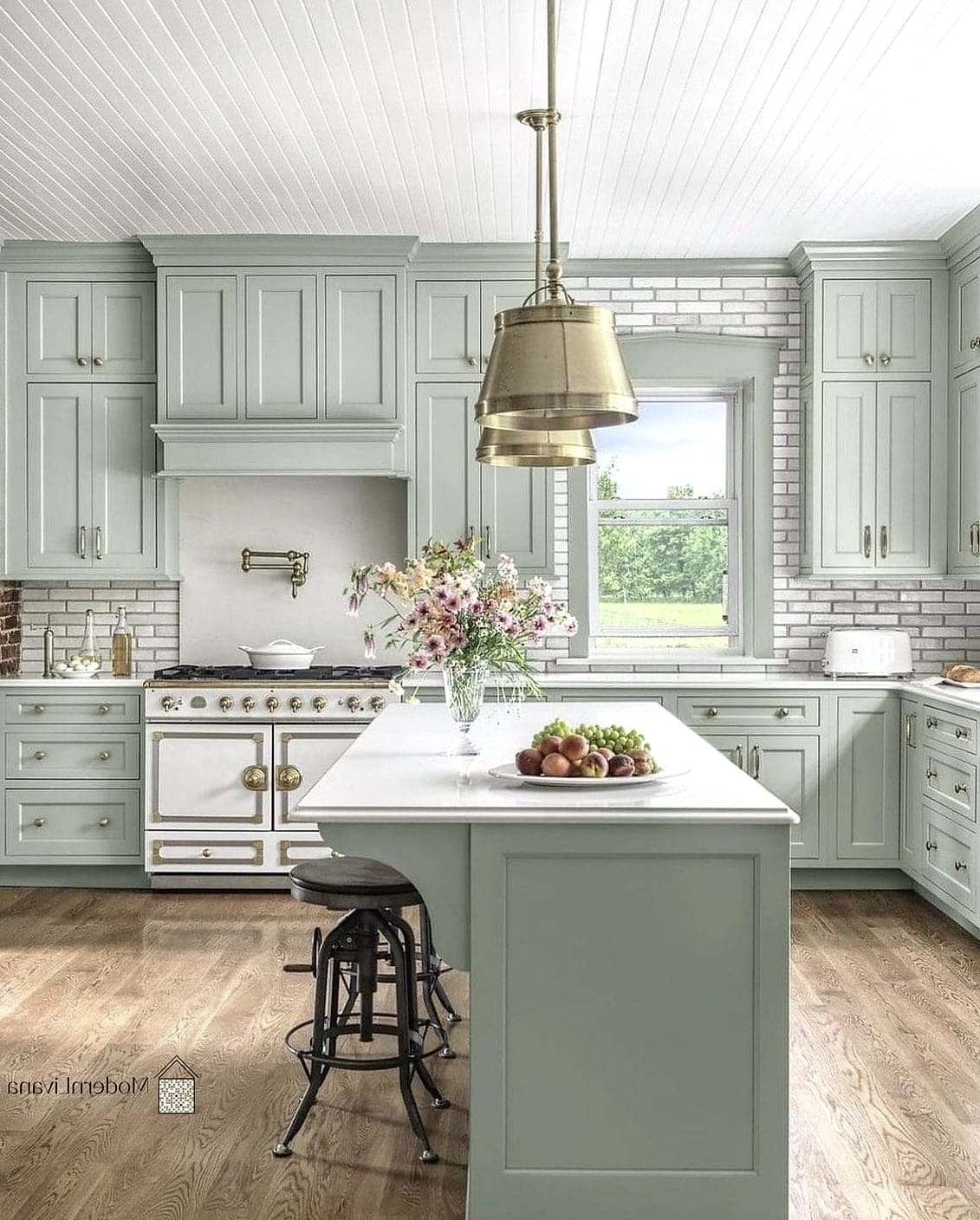
Muted greens have become one of the most requested cabinet colors, and it’s easy to see why. They read as fresh and organic without being as bold as navy or black. This color pairs beautifully with brass hardware, wood accents, and white or cream countertops for a soft, earthy palette.
Cabinets with Open Cubby Storage
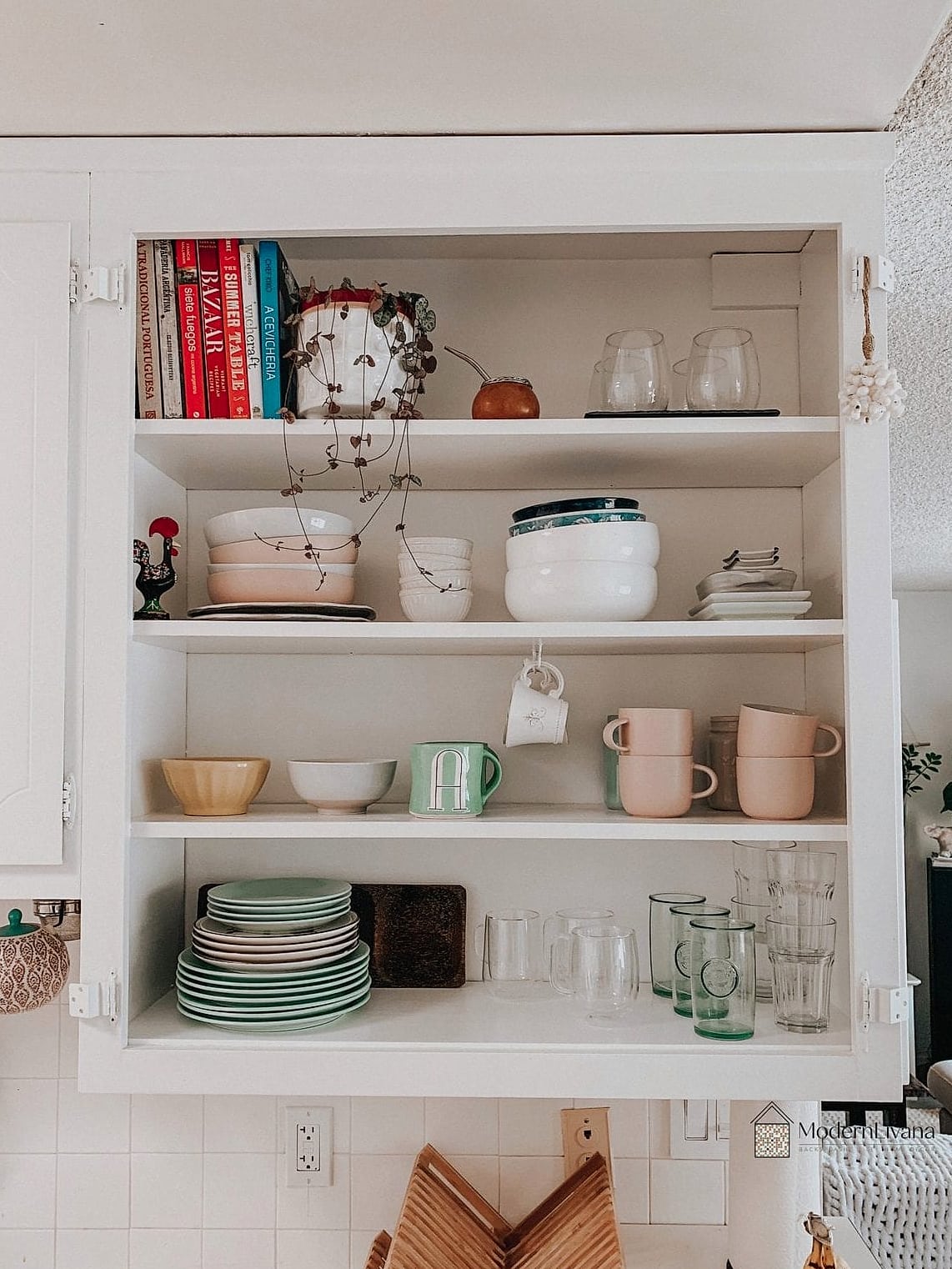
Instead of full open shelving, some kitchens include a few open cubbies built directly into the cabinet run for cookbooks, plants, or frequently used bowls. It breaks up a long stretch of closed cabinetry and gives you a spot to add a little personality with a plant or stack of cutting boards.
Painted Cabinet Refresh on a Budget
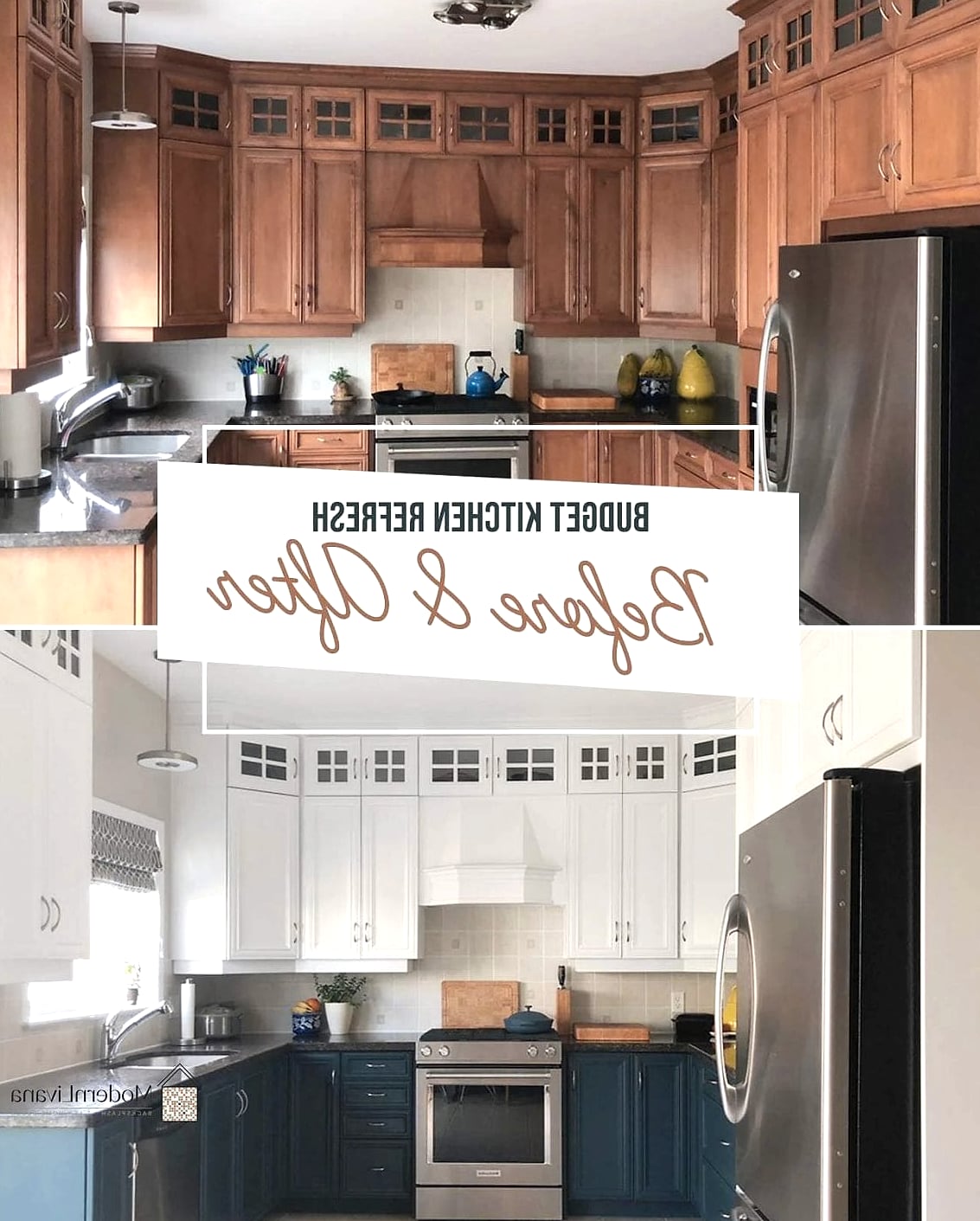
If a full cabinet replacement isn’t in the cards right now, a fresh coat of cabinet paint is one of the most budget-friendly ways to change the whole feel of a kitchen. A good bonding primer and cabinet-specific paint go a long way here. It’s a weekend-to-week-long project depending on kitchen size, but the cost is a fraction of new cabinetry.
New Hardware on Existing Cabinets
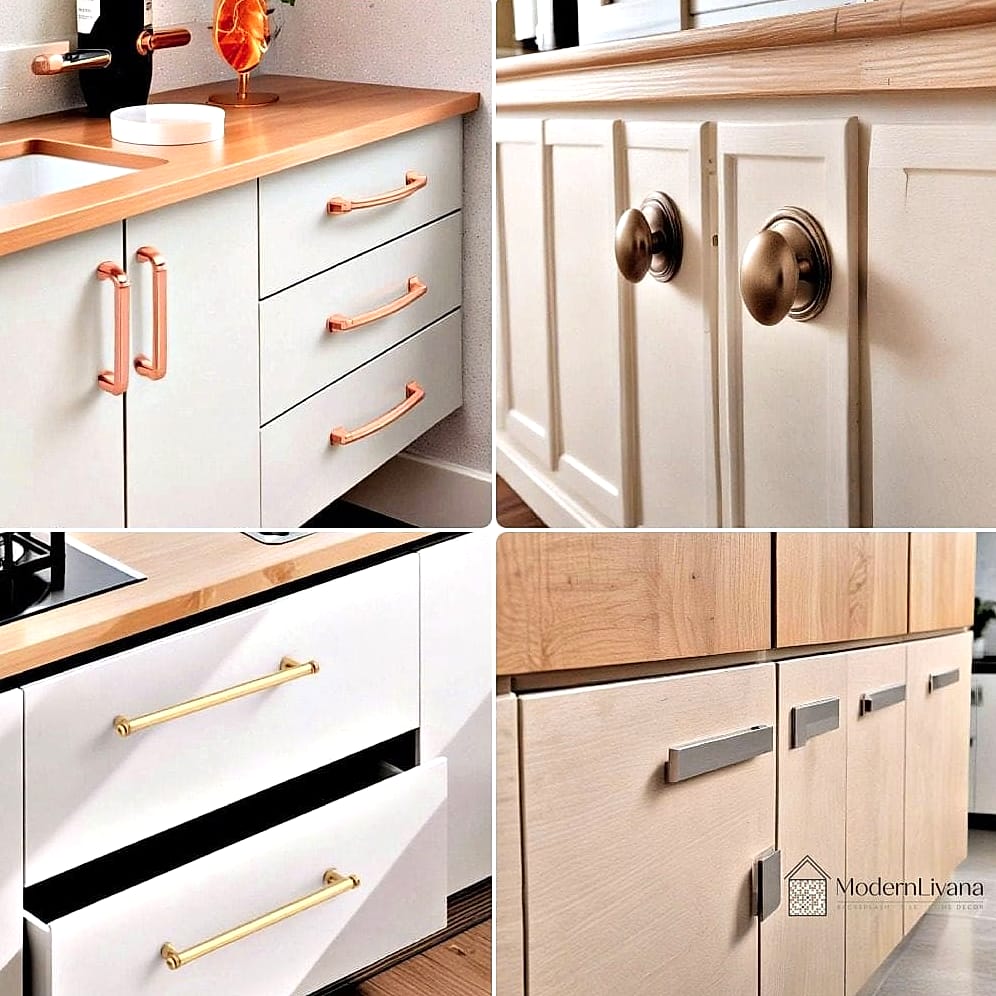
Sometimes the cabinets themselves are perfectly fine, and it’s the dated hardware doing all the damage. Swapping in brushed brass, matte black, or brushed nickel pulls is one of the cheapest, fastest updates you can make. It’s a great weekend project that requires basically no skill beyond a drill and a little patience.
Cabinet Door Replacement Only
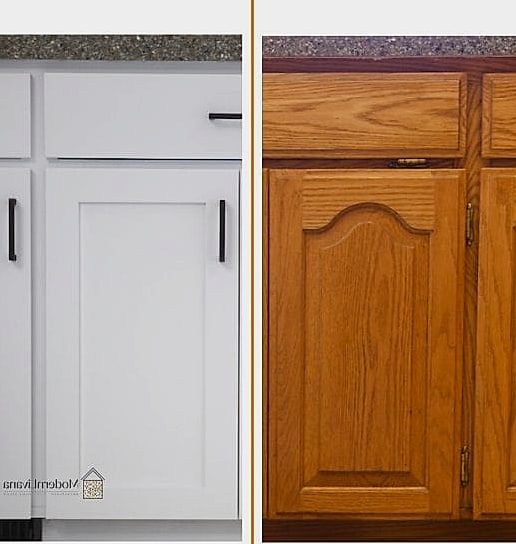
If your cabinet boxes are still sturdy but the doors feel dated, some companies specialize in replacing just the doors and drawer fronts while keeping the existing framework. This costs significantly less than a full cabinet replacement and can be done in a color or style that feels completely updated.
Peel-and-Stick Cabinet Wraps
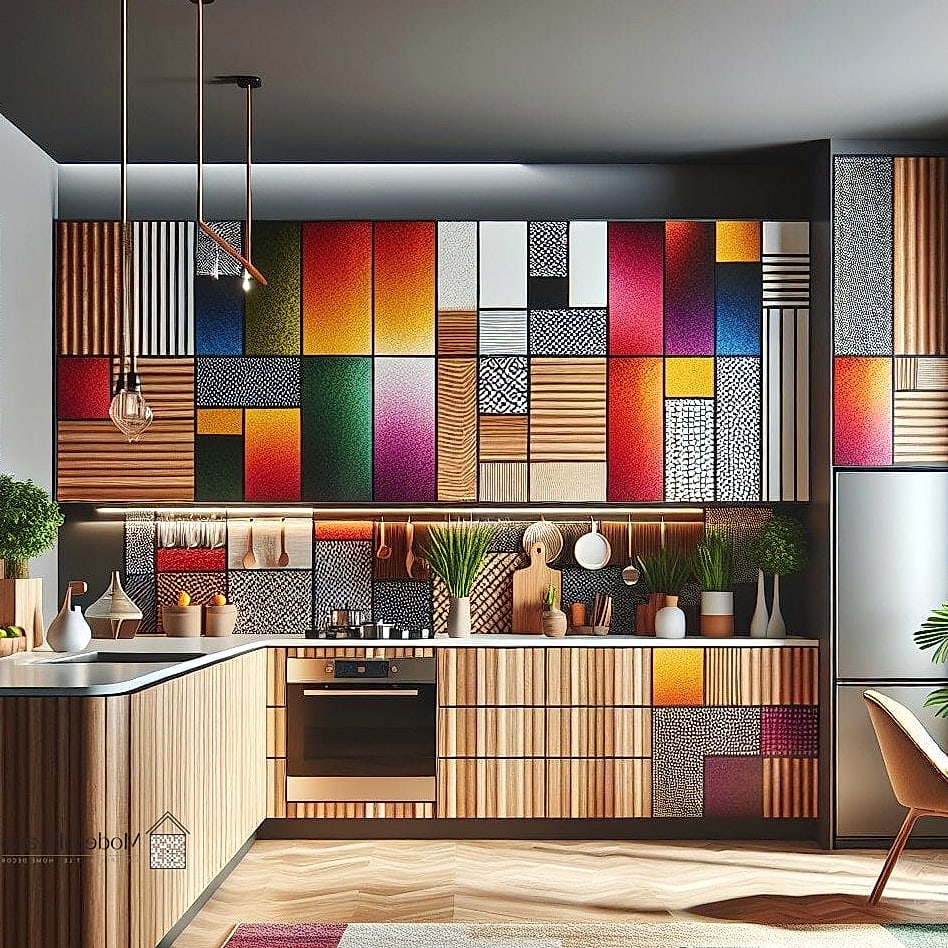
For renters or anyone testing out a color before committing, peel-and-stick vinyl wraps designed for cabinets are a genuinely useful option. They’re not a permanent solution, but modern versions look surprisingly realistic and can last a few years with careful use. Great for apartments where painting isn’t allowed.
Refacing Cabinets with Veneer
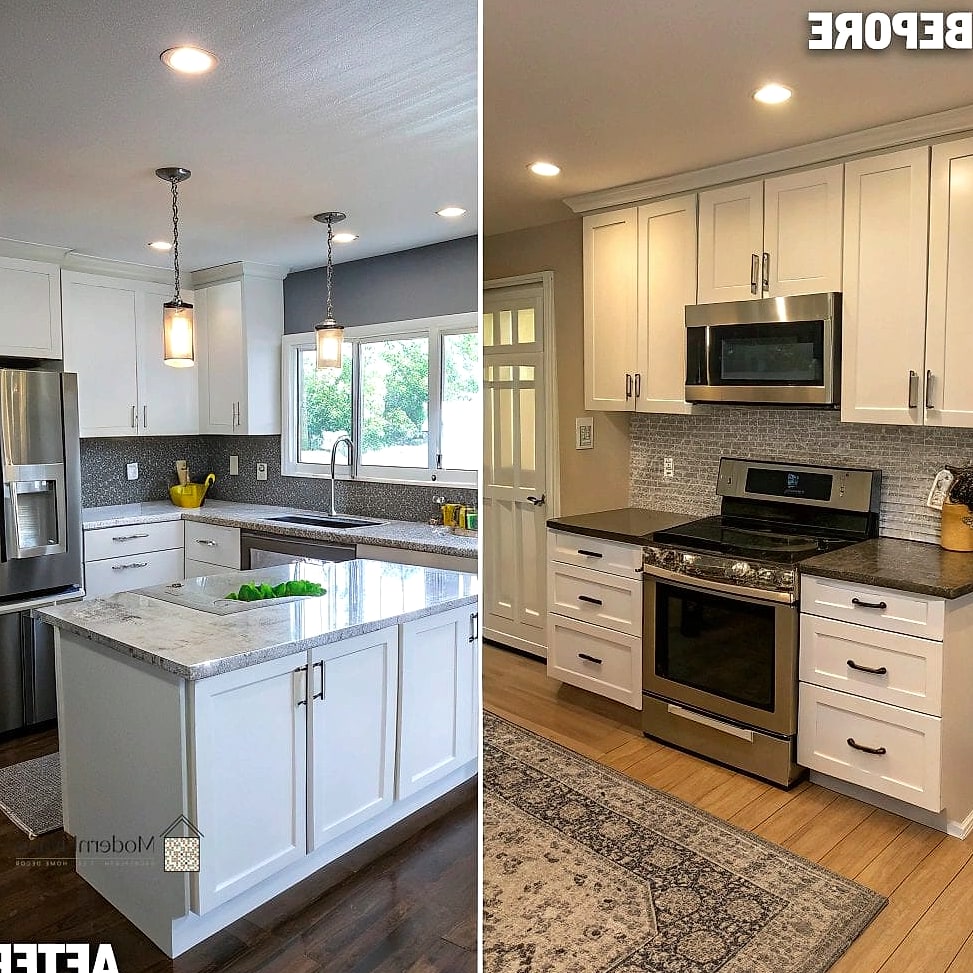
Cabinet refacing involves applying a new veneer over your existing cabinet boxes and adding new doors, giving you an updated look without the cost or mess of a full tear-out. It’s a nice middle ground between a full budget DIY project and a complete cabinet replacement, and most of the work can be done in a few days rather than weeks.
Mixing Custom and Stock Cabinets

For kitchens with an unusual layout, some homeowners use stock cabinets for the bulk of the kitchen and custom-built pieces for tricky spots like a corner nook or an oddly shaped island. This keeps costs more manageable than going fully custom while still solving the fit issues stock cabinets alone can’t handle.
No matter which direction you go, the best cabinet choice is the one that fits how you actually use your kitchen day to day. Some of these ideas are weekend projects, and others are bigger investments worth planning for over time. Either way, there’s a lot of room to make your kitchen feel like yours without starting completely from scratch.