24 Stylish Kitchen Ideas That Maximize Style and Function
- Zellige Tile Backsplash
- Two-Tone Cabinetry
- Open Shelving with Styled Displays
- Waterfall Quartz Countertops
- Matte Black Fixtures
- Herringbone Tile Flooring
- Butcher Block Island Top
- Hidden Appliance Panels
- Statement Range Hood
- Warm Wood Tone Cabinets
- Built-In Pantry with Pull-Out Drawers
- Arched Cabinet Openings
- Textured Plaster Walls
- Integrated Cutting Board Storage
- Brass and Gold Hardware Accents
- Layered Lighting Design
- Checkerboard Flooring
- Glass-Front Upper Cabinets
- Curved Island Edges
- Mixed Metal Finishes
- Vertical Subway Tile Installation
- Built-In Coffee or Beverage Station
- Natural Stone Countertops with Movement
- Bold Ceiling Treatment
Reconciled conflicting formatting rules by prioritizing listicle-specific instructions
24 Stylish Kitchen Ideas That Maximize Style and Function
If your kitchen feels like it’s stuck somewhere between “outdated” and “just okay,” you’re definitely not alone. The kitchen works harder than almost any other room in the house, so it makes sense that style often takes a backseat to function. The good news is you don’t have to choose one over the other.
These 24 stylish kitchen ideas that maximize style and function are all about finding that sweet spot where your kitchen looks good and actually works for the way you live. Some are quick weekend projects, others are bigger investments, but all of them are worth considering whether you’re planning a full remodel or just looking to freshen things up.
Zellige Tile Backsplash
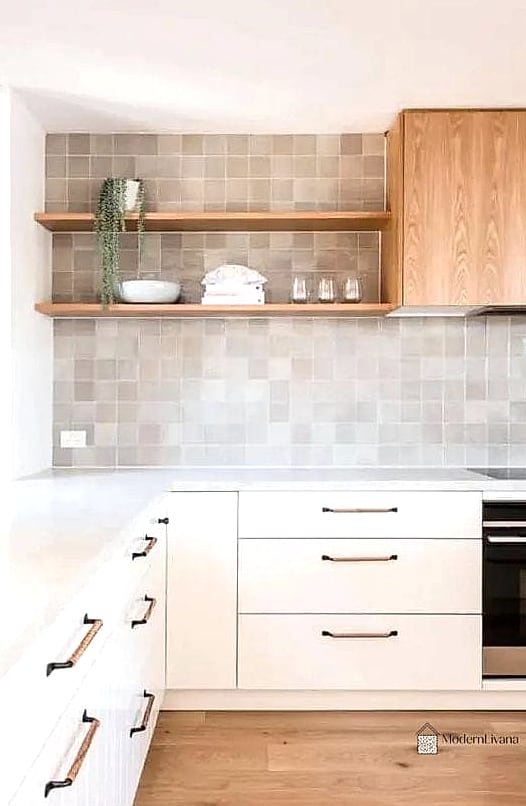
Zellige tile has taken over kitchen design in the best way, and it’s easy to see why. Each handmade tile has slight variations in color and texture, so your backsplash ends up with this subtle, organic movement that mass-produced tile just can’t replicate.
It works beautifully behind a range or across an entire wall, and it pairs well with almost any cabinet color. The main thing to know is that zellige requires a bit more grout and sealing maintenance than standard ceramic, so it’s better suited for homeowners willing to put in occasional upkeep. Budget-wise, it leans more toward the investment side, though smaller accent applications keep costs manageable.
Two-Tone Cabinetry
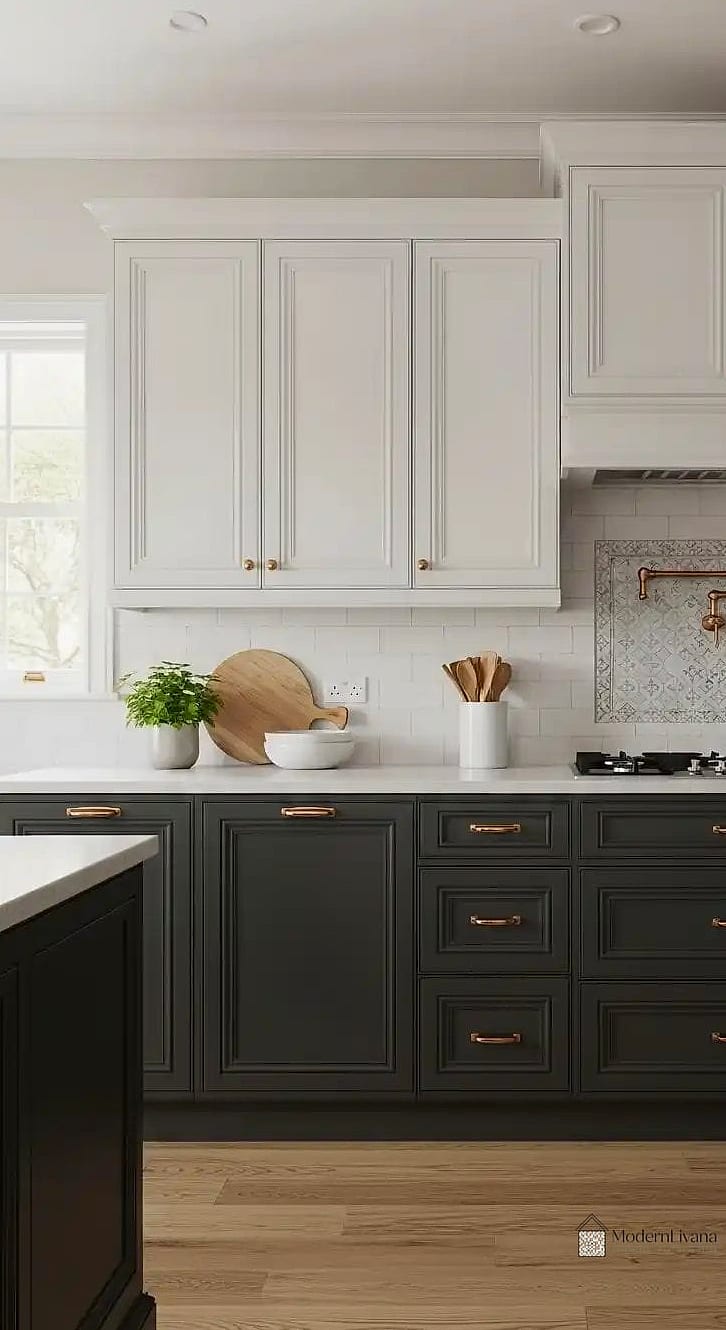
Painting your upper and lower cabinets different colors is one of those upgrades that instantly makes a kitchen feel more custom without requiring a full renovation. A popular combo right now is deep green or navy lowers with white or cream uppers, which keeps the space feeling light while adding a grounded, intentional look.
This works especially well in kitchens with limited natural light, since you can keep the ceiling and upper cabinets bright while still adding personality below. It’s also a great option if you’re not ready to commit to color throughout the whole room.
Open Shelving with Styled Displays
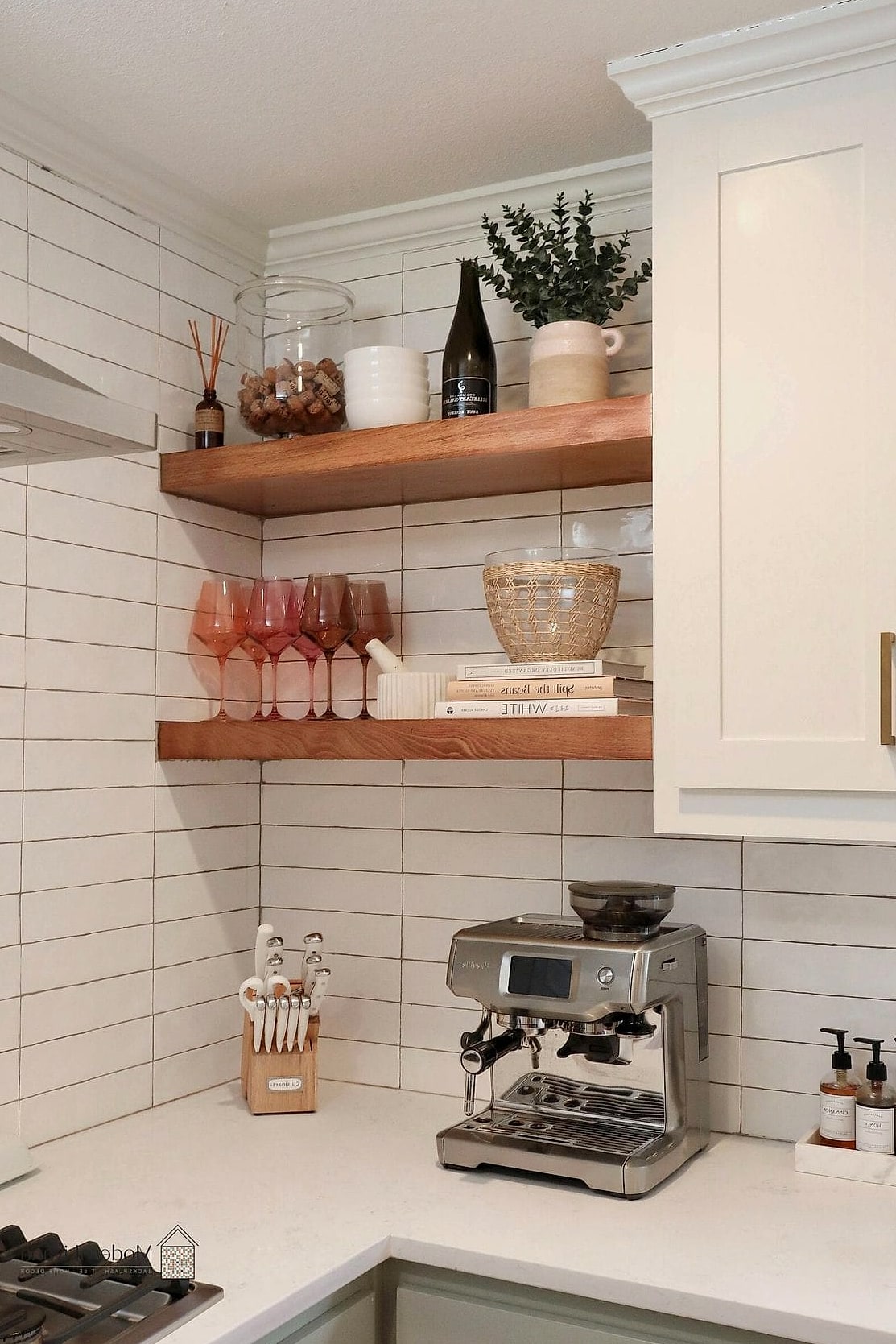
Open shelving gets mixed reviews because, honestly, it requires a little discipline to keep looking good. But when it’s done right, floating shelves loaded with everyday dishware, a few plants, and some woven baskets can make a kitchen feel warm and lived-in rather than showroom-sterile.
This idea works best in kitchens where you’re okay editing down your dish collection to the pieces you actually love. It’s also budget-friendly, since floating shelves cost far less than upper cabinetry, and it’s a fairly doable DIY project for anyone comfortable with a stud finder and a level.
Waterfall Quartz Countertops
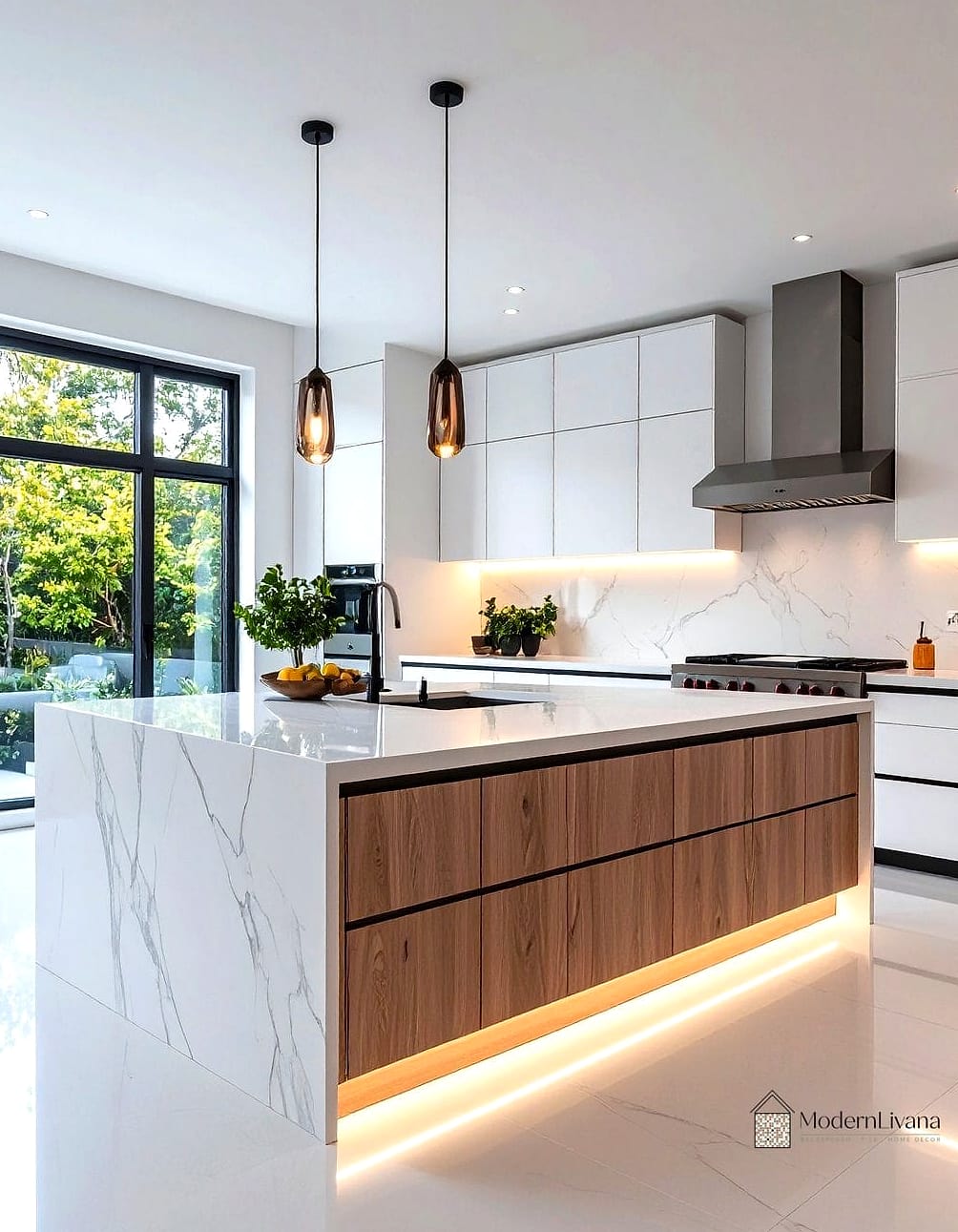
A waterfall edge, where the countertop material wraps down the side of the island in one continuous piece, adds a sculptural, high-end look that photographs beautifully. Quartz is the material of choice here because it holds up to daily wear without the sealing requirements of natural stone.
This is more of a splurge item, since it requires precise fabrication and extra material, but it’s one of those details that makes a kitchen feel custom-built. Lighter veined quartz tends to read more traditional, while a solid matte quartz leans modern.
Matte Black Fixtures
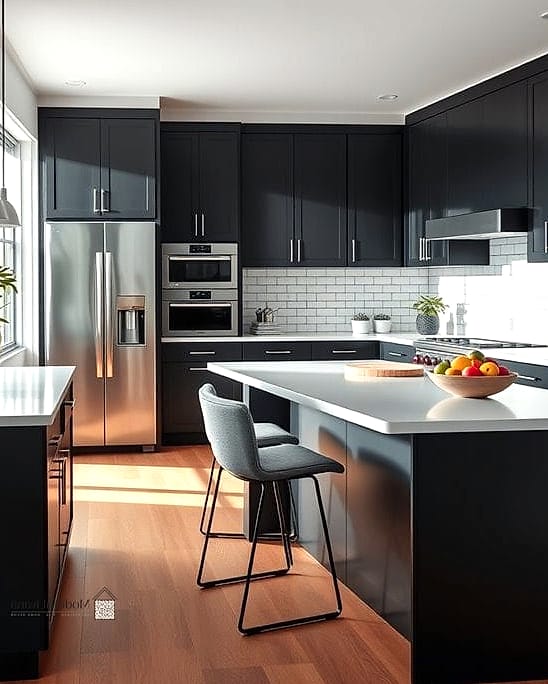
Matte black faucets, cabinet pulls, and pendant lights add contrast without overwhelming a space, which is probably why they’ve stuck around as a favorite instead of fading as a passing trend. They look particularly sharp against white or warm wood cabinetry.
One practical note: matte black shows water spots more than chrome or stainless, so you’ll want to keep a soft cloth nearby for quick wipe-downs, especially around the sink. It’s a relatively affordable swap if you’re just updating hardware rather than replacing entire fixtures.
Herringbone Tile Flooring
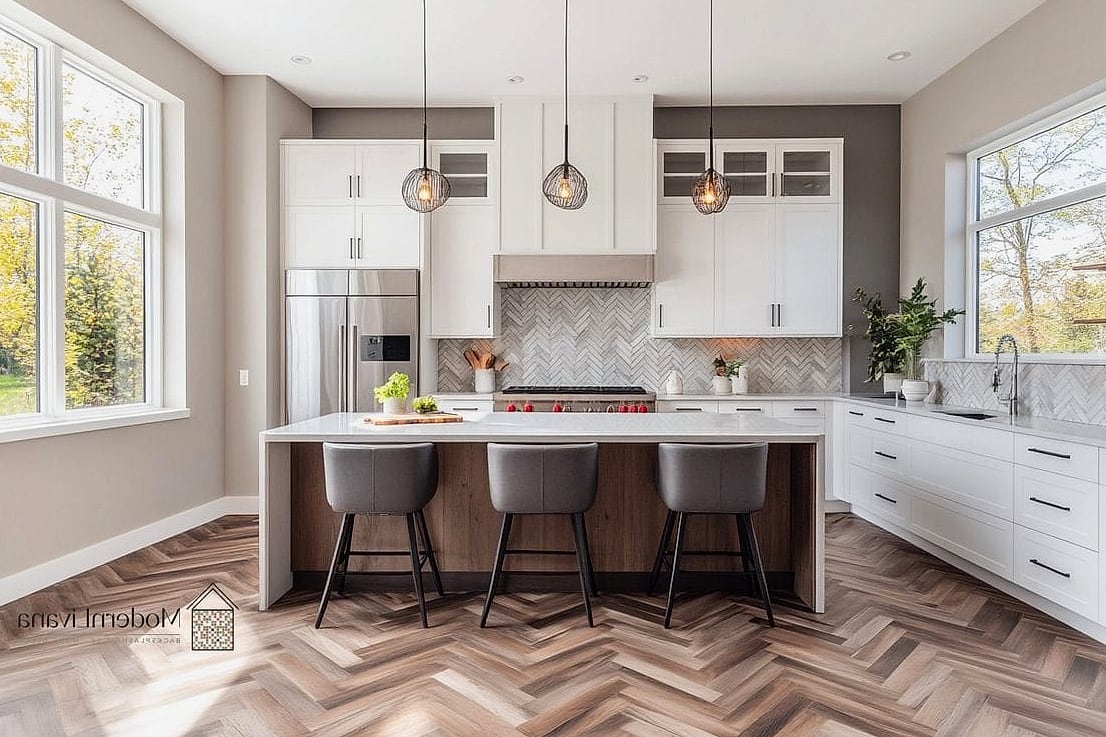
A herringbone pattern adds movement and visual interest to a kitchen floor without introducing a lot of extra color. Porcelain tile made to look like wood planks is a popular choice here because it gives you the warmth of hardwood with better resistance to water and spills.
This layout works especially well in kitchens that flow into dining or living areas, since the diagonal lines create a sense of continuity. Installation is more labor-intensive than a straight-lay pattern, so it’s usually worth hiring a professional unless you have solid tiling experience.
Butcher Block Island Top
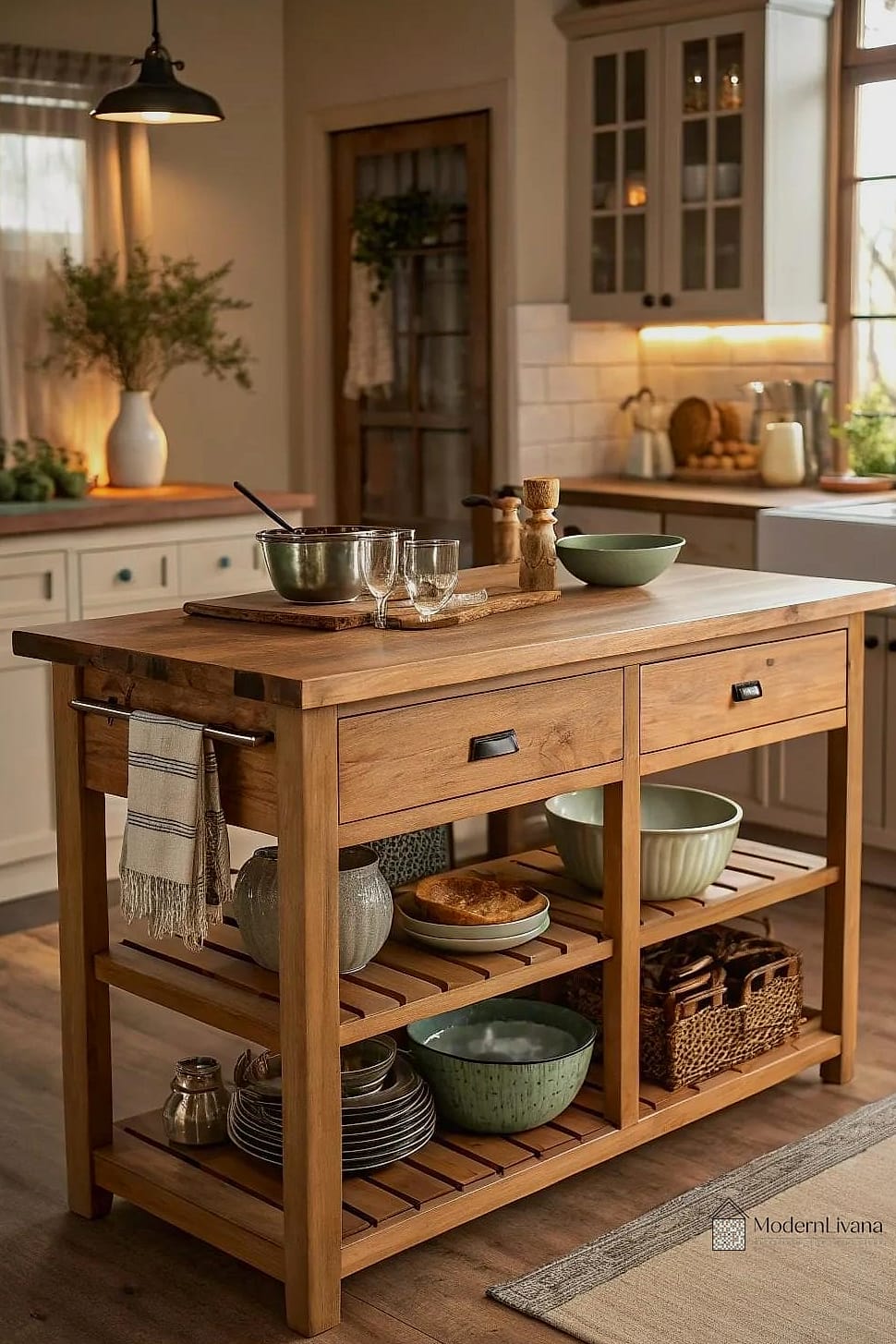
Pairing a butcher block countertop with quartz or granite perimeter counters gives your kitchen a nice mix of textures and breaks up an all-stone look. It’s especially practical if you like having a dedicated chopping surface right at the island.
Wood does require occasional oiling to stay protected from water damage, so it’s not entirely maintenance-free, but most homeowners find the upkeep worth it for the warmth it brings. Budget-friendly versions are widely available at most home improvement stores if you’re not ready for a custom fabrication.
Hidden Appliance Panels
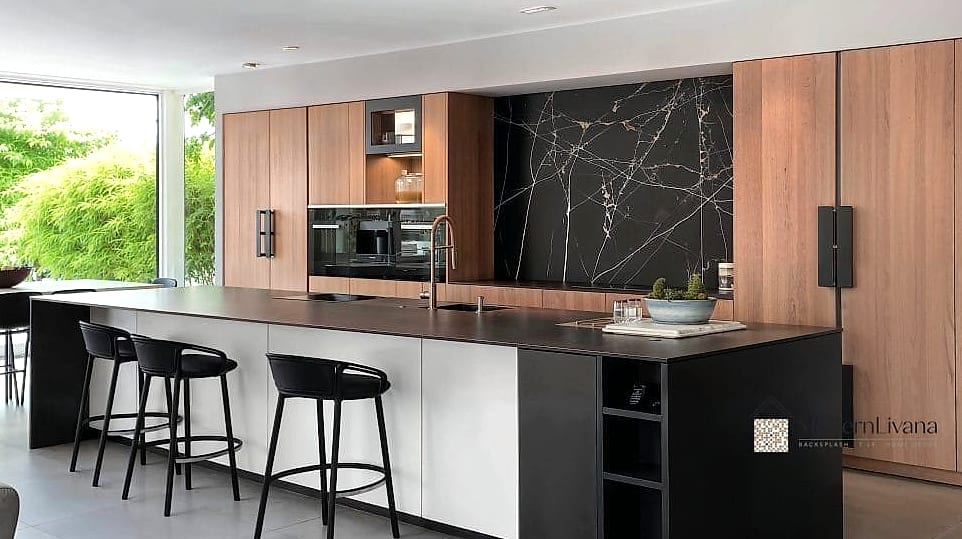
Paneled refrigerators and dishwashers that blend into the surrounding cabinetry give a kitchen a streamlined, almost seamless look. Instead of stainless steel breaking up your cabinet run, the appliances essentially disappear into the design.
This idea works particularly well in smaller kitchens, where visual clutter can make the space feel busier than it needs to. It’s a bigger investment since it usually requires custom or semi-custom cabinetry, but it’s one of the details that makes a kitchen feel high-end without necessarily being flashy.
Statement Range Hood
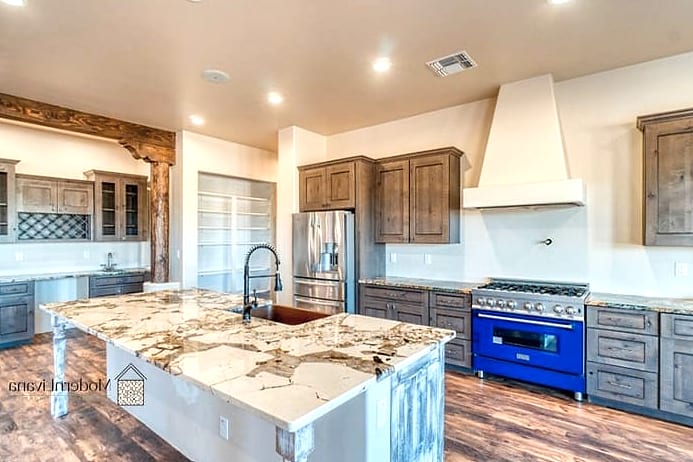
A range hood doesn’t have to just be functional. Wrapping it in wood, plaster, or a bold tile pattern turns it into a focal point instead of an afterthought. Curved or arched hood shapes are especially popular right now for adding a softer, more organic silhouette.
This is a great spot to introduce a material you love but didn’t want to use throughout the whole kitchen. Just keep in mind that ventilation requirements vary by hood size and stove type, so it’s worth consulting a contractor before finalizing the design.
Warm Wood Tone Cabinets
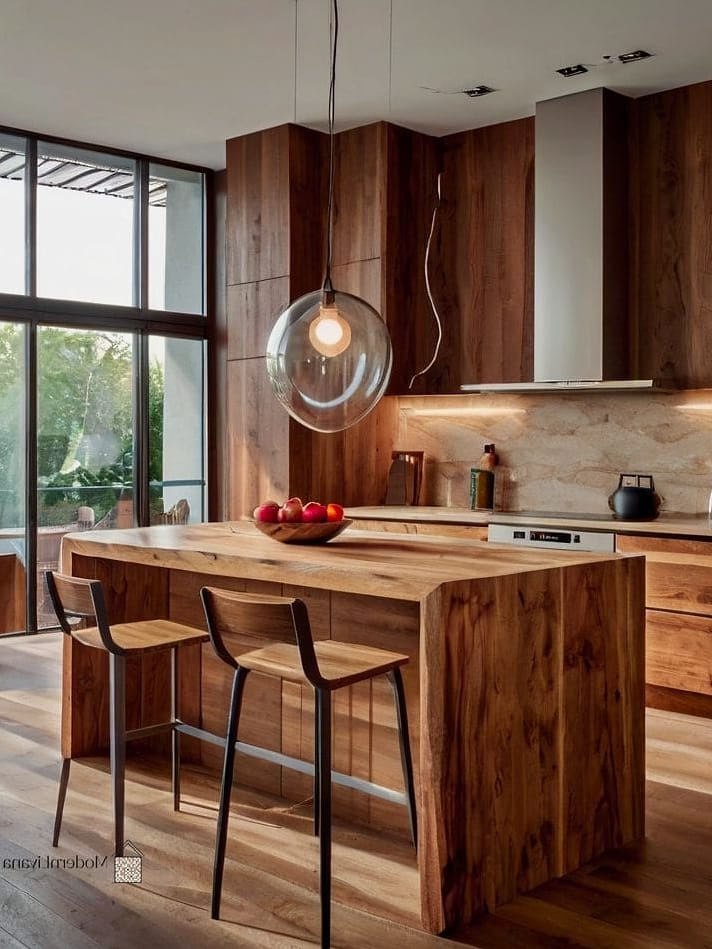
After years of all-white kitchens dominating the design world, warm wood tones are having a real moment. Oak, walnut, and even reclaimed wood cabinetry bring a cozy, natural feel that pairs nicely with brass or black hardware.
This works well in kitchens that get a lot of natural light, since the wood tones keep the space feeling warm rather than heavy. If a full cabinet replacement isn’t in the budget, wood accents on just the island or open shelving can achieve a similar effect.
Built-In Pantry with Pull-Out Drawers
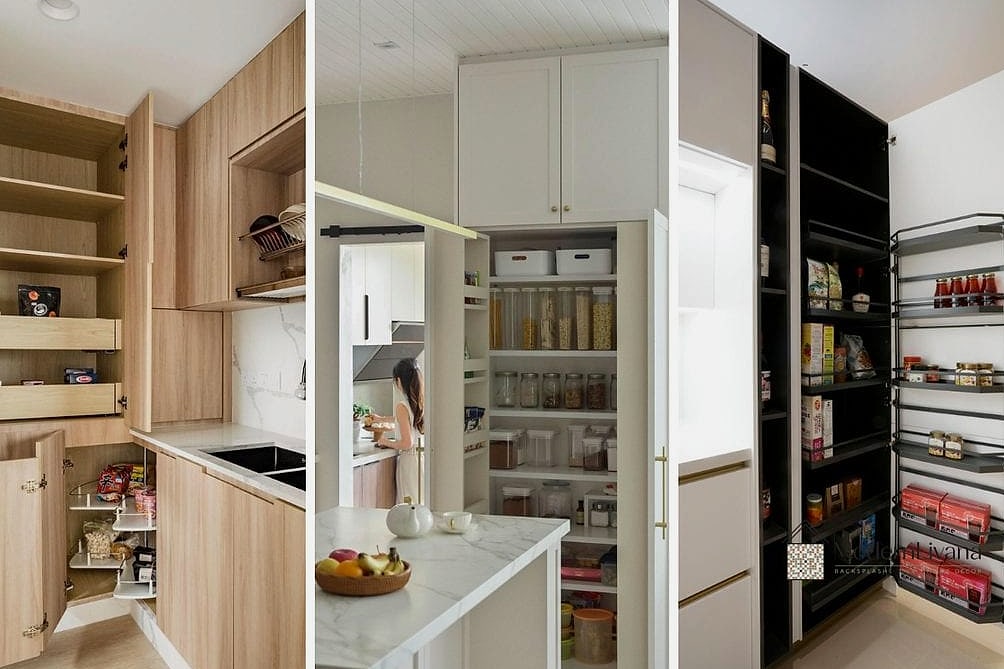
A built-in pantry with deep pull-out drawers instead of standard shelves makes a huge difference in daily usability. You can actually see everything at once instead of digging through rows of cans and boxes.
This is especially helpful for families who go through groceries quickly and need a system that keeps things organized without constant reorganizing. Adding labeled bins or clear containers on top of the drawers takes the organization even further and looks great too.
Arched Cabinet Openings
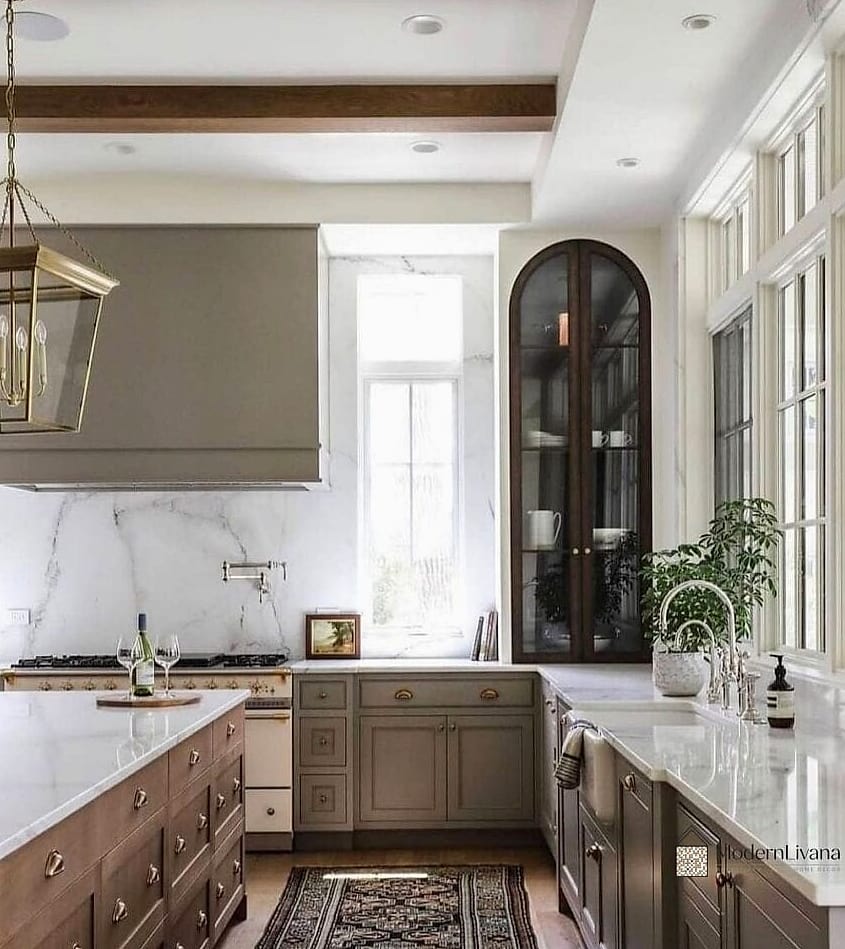
Arched openings on glass-front cabinets or pantry doorways add a soft architectural detail that feels a little unexpected in a kitchen. It’s a subtle way to introduce curves into a space that’s typically full of straight lines and hard angles.
This detail works especially well in kitchens leaning into a more traditional or European-inspired look. It’s a bit more involved from a construction standpoint, so it’s usually best planned during a renovation rather than added after the fact.
Textured Plaster Walls
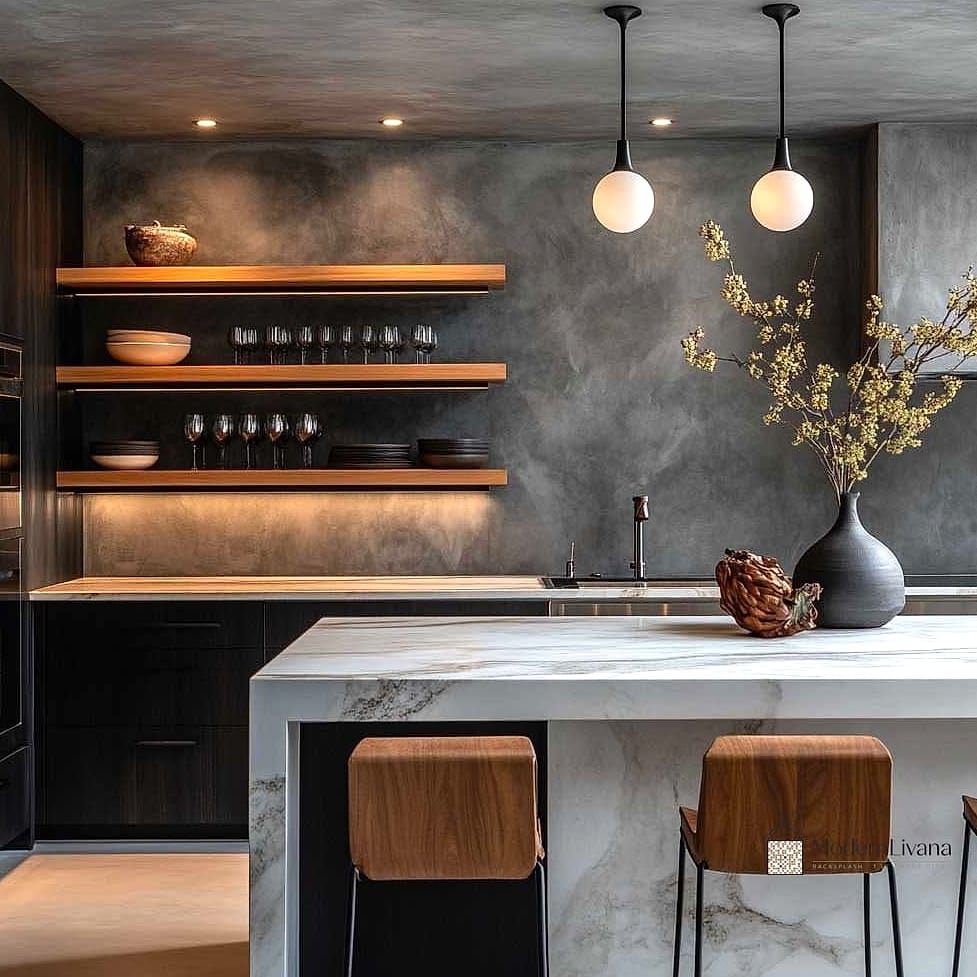
Lime-washed or plastered walls bring in a handmade, slightly imperfect texture that adds depth without adding color. It’s a popular choice for kitchens going for that relaxed, European countryside feel.
This finish works particularly well paired with natural materials like wood and stone, and it hides minor wall imperfections better than a flat painted finish. DIY plaster kits exist for smaller accent walls, though full-kitchen application is usually best left to a professional.
Integrated Cutting Board Storage
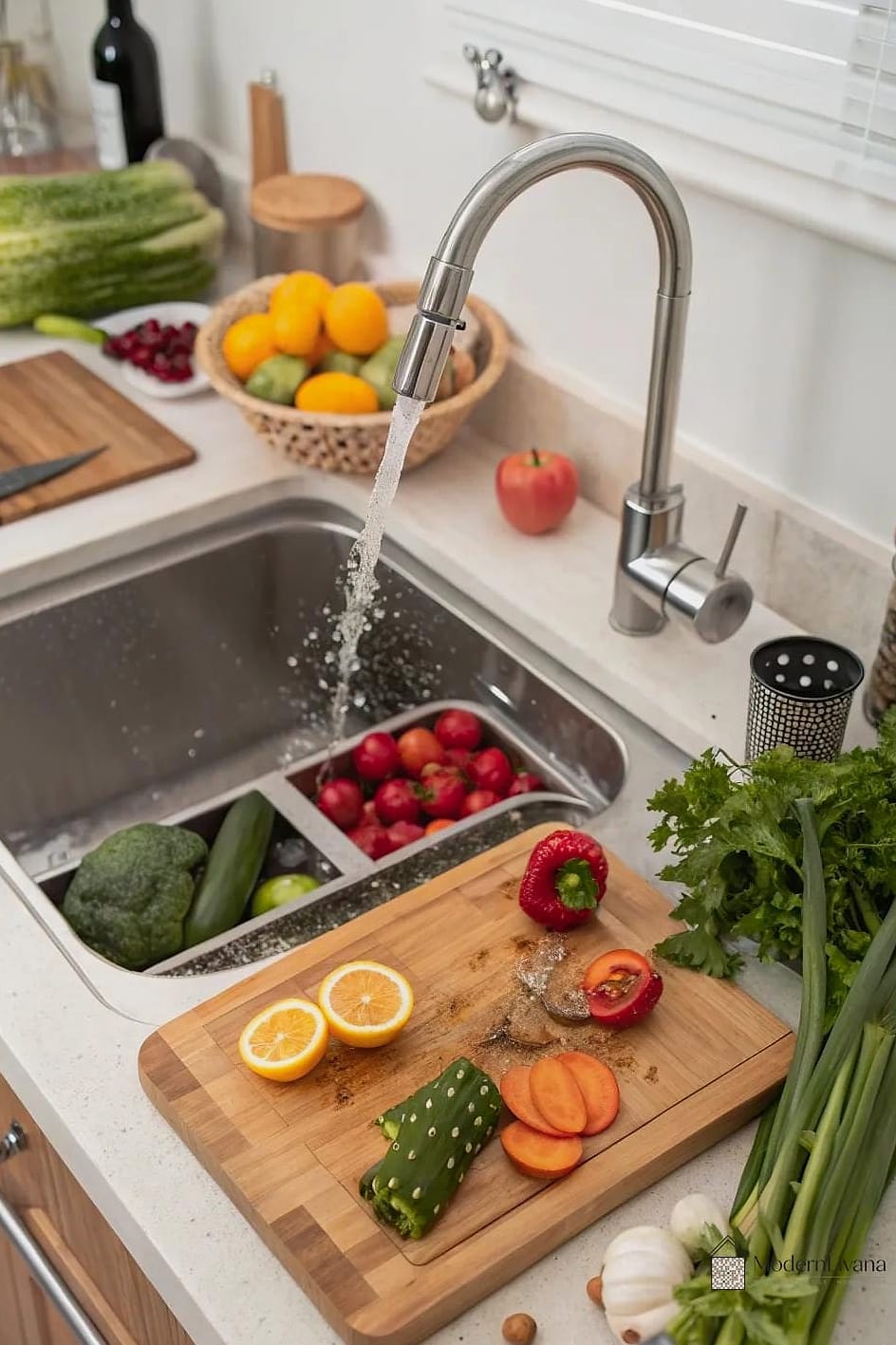
Building a slim vertical slot into your cabinetry specifically for cutting boards and baking sheets keeps awkward, flat items from cluttering up your lower cabinets. It’s a small detail, but it solves a storage problem almost every kitchen has.
This works especially well next to the stove or prep area where you’re using cutting boards most often. It’s a relatively simple addition if you’re already doing a cabinet renovation, and it makes a noticeable difference in daily organization.
Brass and Gold Hardware Accents
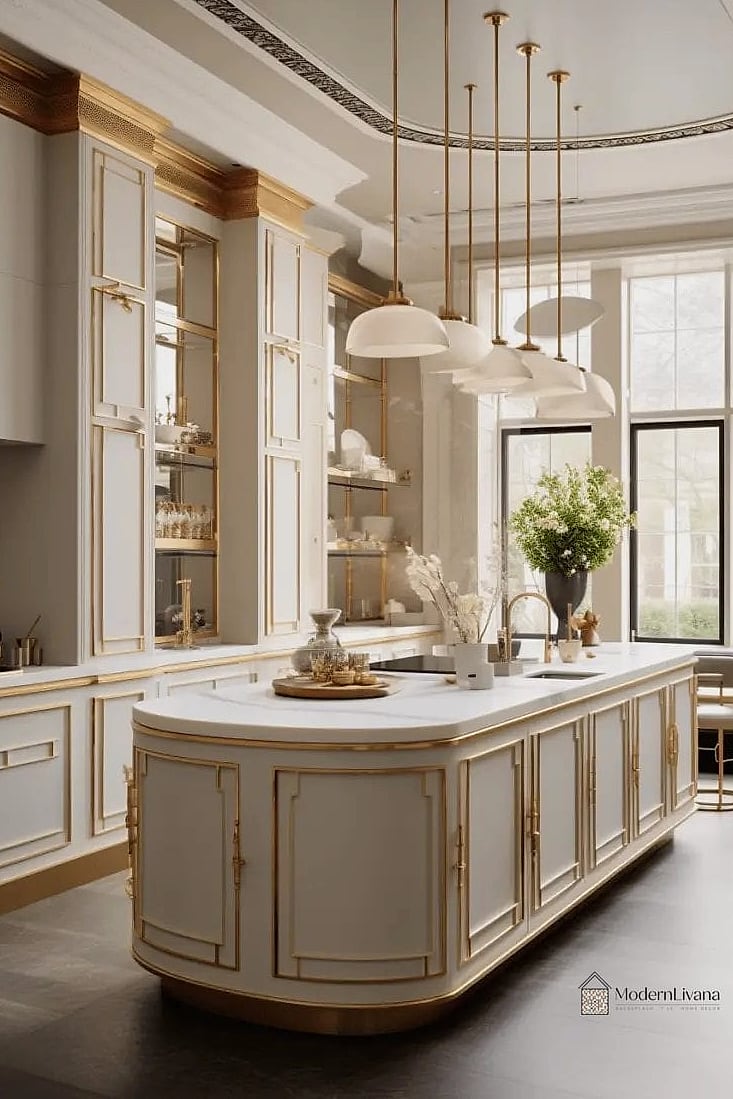
Brushed brass hardware brings warmth to a kitchen in a way that chrome or nickel just doesn’t. It pairs beautifully with warm wood tones, cream cabinetry, and even matte black fixtures for a mixed-metal look that feels intentional rather than mismatched.
Unlacquered brass will develop a natural patina over time, which some homeowners love for the character it adds, while others prefer a lacquered finish that stays shiny. Either way, it’s an easy, budget-friendly swap that makes a noticeable style impact.
Layered Lighting Design
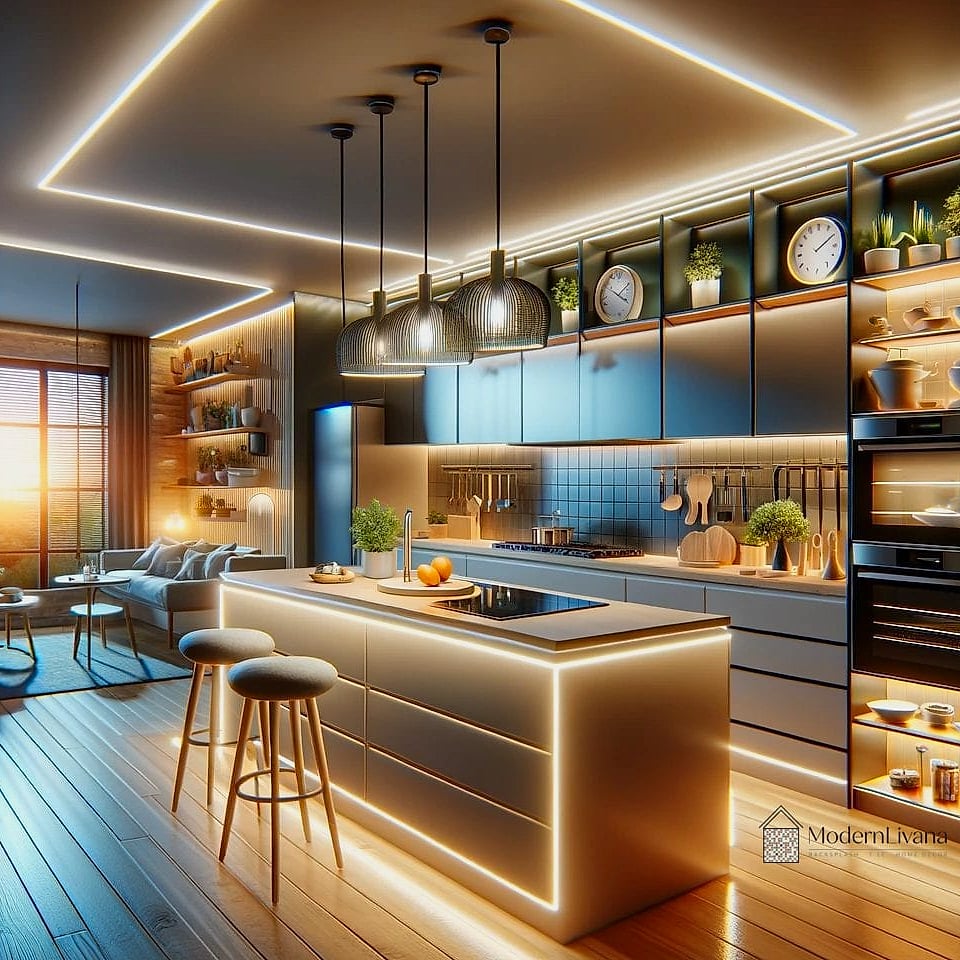
Relying on one overhead light fixture is one of the more common kitchen mistakes, and it’s an easy one to fix. Combining pendant lights over the island, under-cabinet lighting for prep areas, and recessed ceiling lights creates a much more functional and inviting space.
This layered approach also lets you set the mood, bright and functional for cooking, softer and warmer for entertaining. Under-cabinet LED strips are a particularly affordable upgrade that makes a big difference in everyday usability.
Checkerboard Flooring
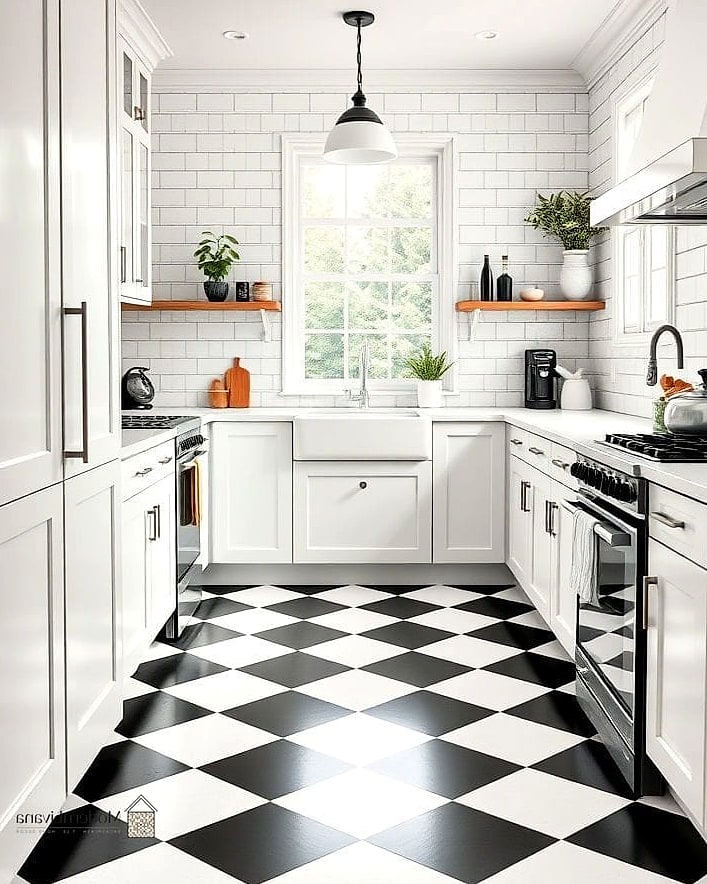
Checkerboard tile, especially in black and white or two neutral tones, adds a graphic, retro-inspired look that instantly gives a kitchen personality. It works well in both vintage-style kitchens and more modern spaces looking for a playful contrast.
This pattern hides everyday dirt and crumbs better than a solid-colored floor, which is a nice practical bonus for busy households. Peel-and-stick checkerboard tile is also available for renters or anyone wanting to test the look before committing to a full installation.
Glass-Front Upper Cabinets
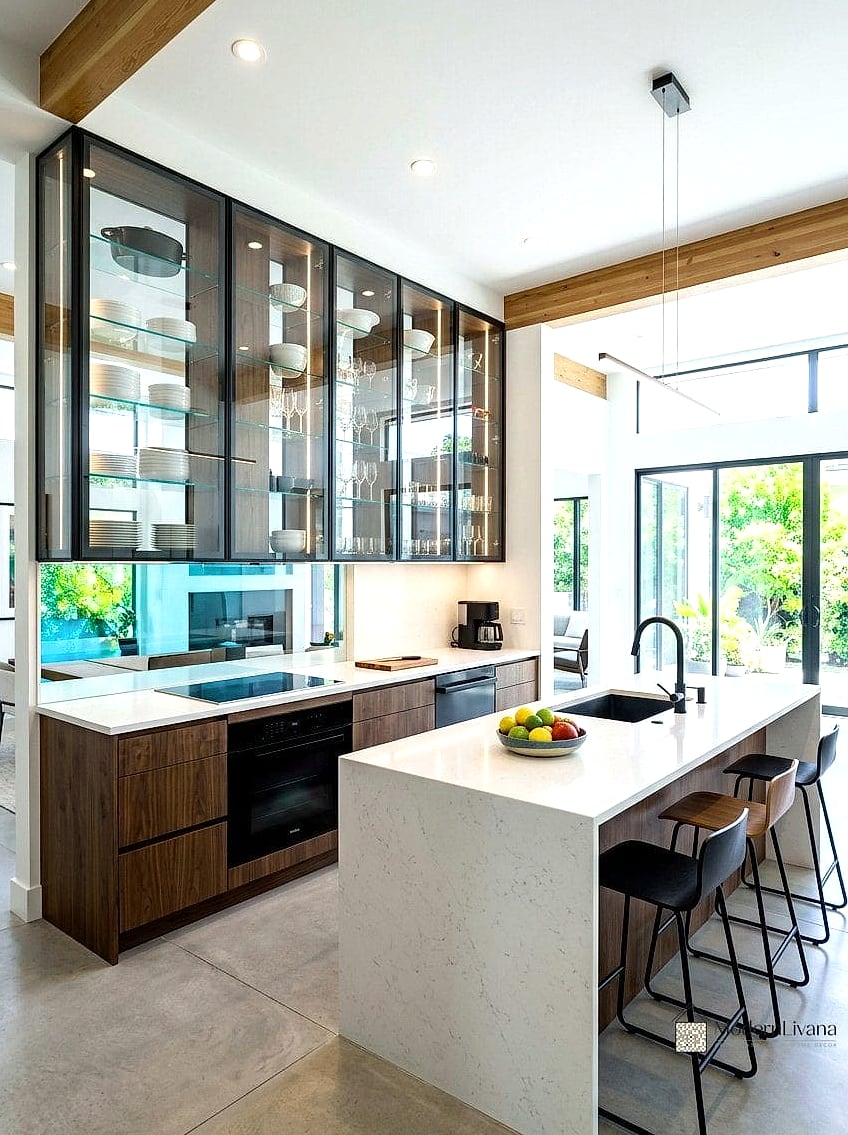
Swapping a few solid cabinet doors for glass-front versions breaks up an otherwise heavy wall of cabinetry and gives you a spot to display your favorite dishware or glassware. It adds visual interest without requiring open shelving’s constant upkeep.
This works especially well combined with interior cabinet lighting, which makes the display pop in the evening. It’s also a nice middle ground for anyone who likes the open shelving look but wants a little more protection from dust and grease.
Curved Island Edges
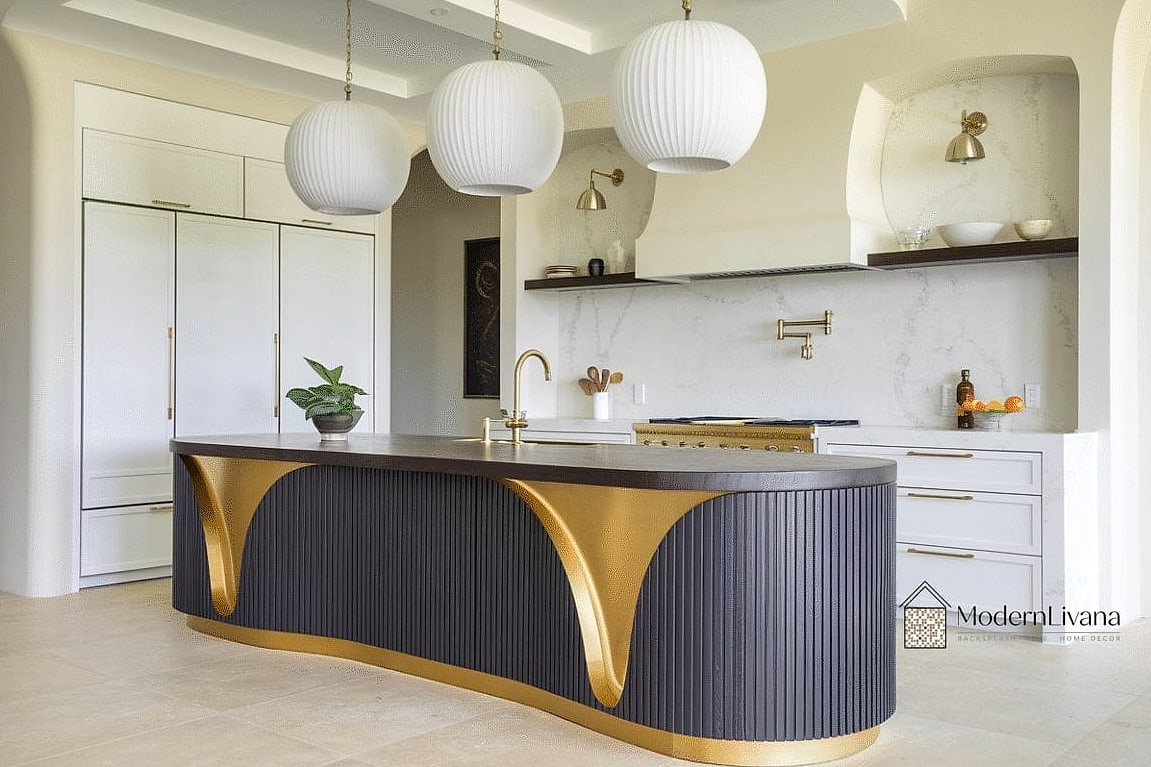
Instead of a standard rectangular island, curved or rounded edges soften the whole kitchen layout and make the space feel less boxy. This shape is especially useful in kitchens where the island doubles as a casual eating spot, since rounded corners are more comfortable for seating and easier to move around.
It’s a bigger structural decision, so it’s best planned during a full renovation rather than a quick update. The payoff is a kitchen that feels a little more unique and less like every other rectangular-island layout.
Mixed Metal Finishes
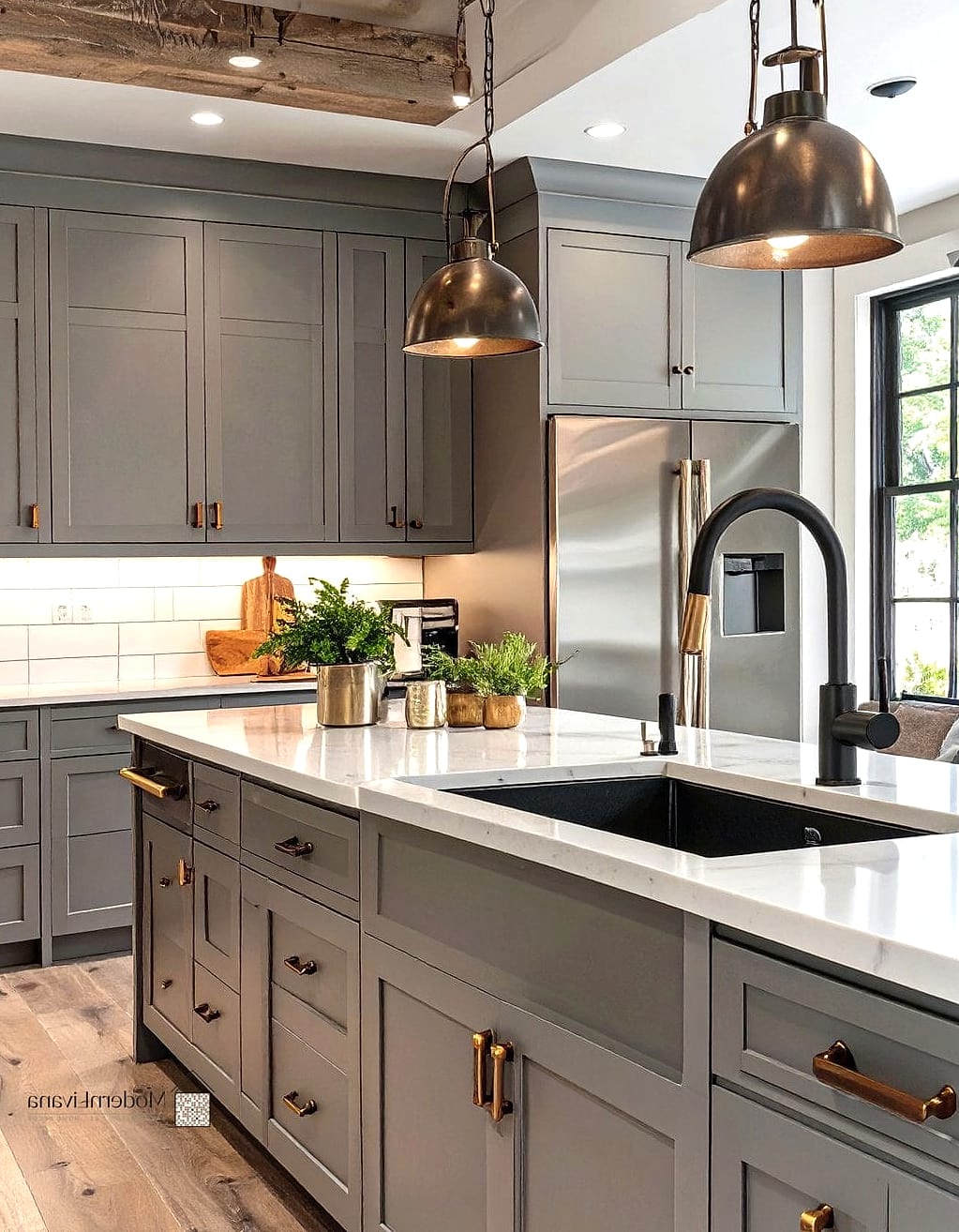
Combining two metal tones, like brushed brass faucets with black hardware, has become a favored approach over matching everything exactly. It gives the kitchen a collected-over-time feel rather than looking like it came from a single showroom display.
The trick is picking one metal as the dominant tone and using the second more sparingly as an accent. This idea is essentially free if you’re already choosing new fixtures and hardware, since it doesn’t require sticking to a single finish.
Vertical Subway Tile Installation
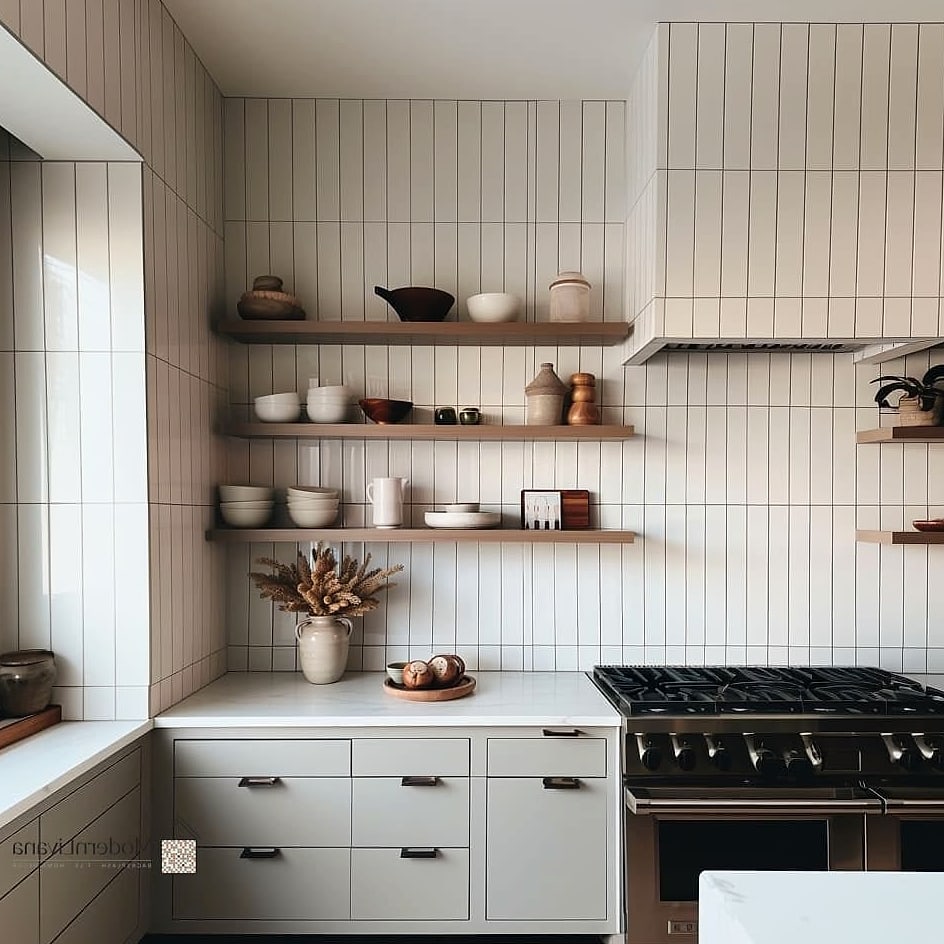
Installing subway tile vertically instead of the traditional horizontal running bond gives a classic material a completely different feel. It draws the eye upward, which is especially useful in kitchens with lower ceilings that could use a boost.
This works well behind the range as a statement moment even if the rest of the kitchen keeps things simple. It’s a budget-friendly option since subway tile itself is inexpensive, though the vertical layout may add slightly more labor cost during installation.
Built-In Coffee or Beverage Station
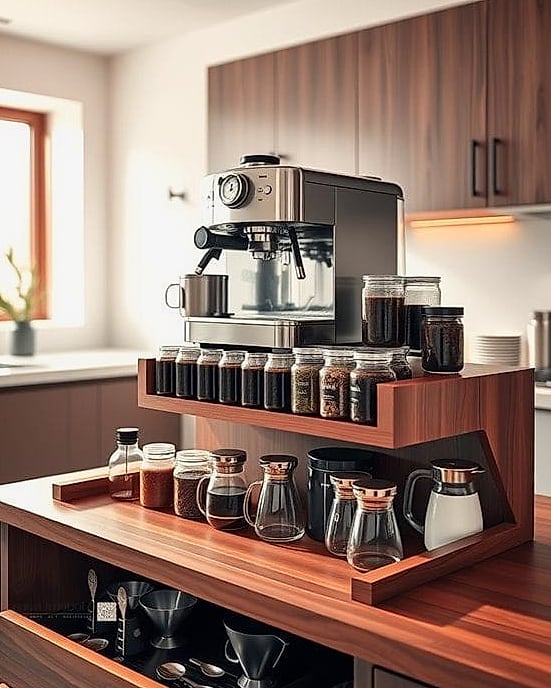
Dedicating a small section of counter and cabinetry to a coffee or beverage station keeps morning clutter contained to one spot instead of spreading across the whole kitchen. Open shelving above for mugs, plus a drawer for pods or filters, keeps everything within reach.
This is a favorite among families and anyone who entertains regularly, since guests naturally gravitate toward it without crowding the main cooking zone. It doesn’t require a major renovation either, a repurposed corner of counter space works just fine.
Natural Stone Countertops with Movement
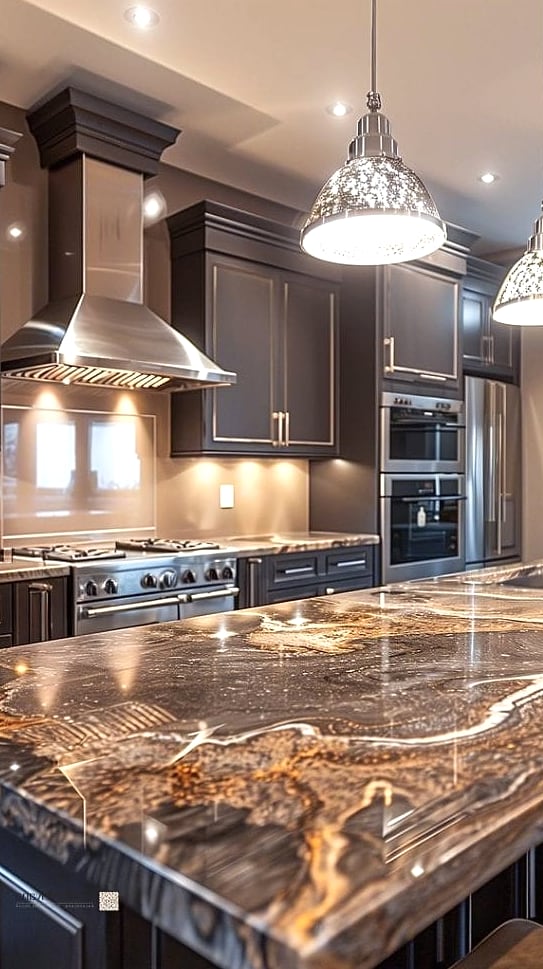
Marble, quartzite, and soapstone all bring dramatic natural veining that quartz simply can’t fully replicate, even with today’s improved patterns. A slab with strong movement can become the visual centerpiece of the entire kitchen.
Marble specifically requires more care since it can etch from acidic foods, so it’s better suited for homeowners who don’t mind a little patina developing over time. Quartzite offers similar beauty with better durability, making it a solid middle-ground option for busy kitchens.
Bold Ceiling Treatment
Painting or wallpapering the ceiling is a detail that’s often overlooked entirely, but it adds an unexpected layer of personality to the room. A deep color or subtle pattern overhead draws the eye up and makes the kitchen feel more finished.
This works especially well in kitchens with exposed beams or interesting ceiling architecture, since it highlights the structure instead of hiding it. It’s also one of the more affordable ideas on this list, since a ceiling typically requires far less paint or wallpaper than a full wall.
Putting a kitchen together that balances both style and everyday practicality doesn’t happen overnight, and honestly, it doesn’t need to. Pick a couple of ideas that genuinely fit how you use your space, whether that’s better storage, a fresh material, or just an upgraded light fixture, and build from there. Small, thoughtful changes tend to add up to a kitchen that feels both beautiful and truly functional for daily life.