24 Classic Kitchen Ideas Worth Stealing From Interior Designers
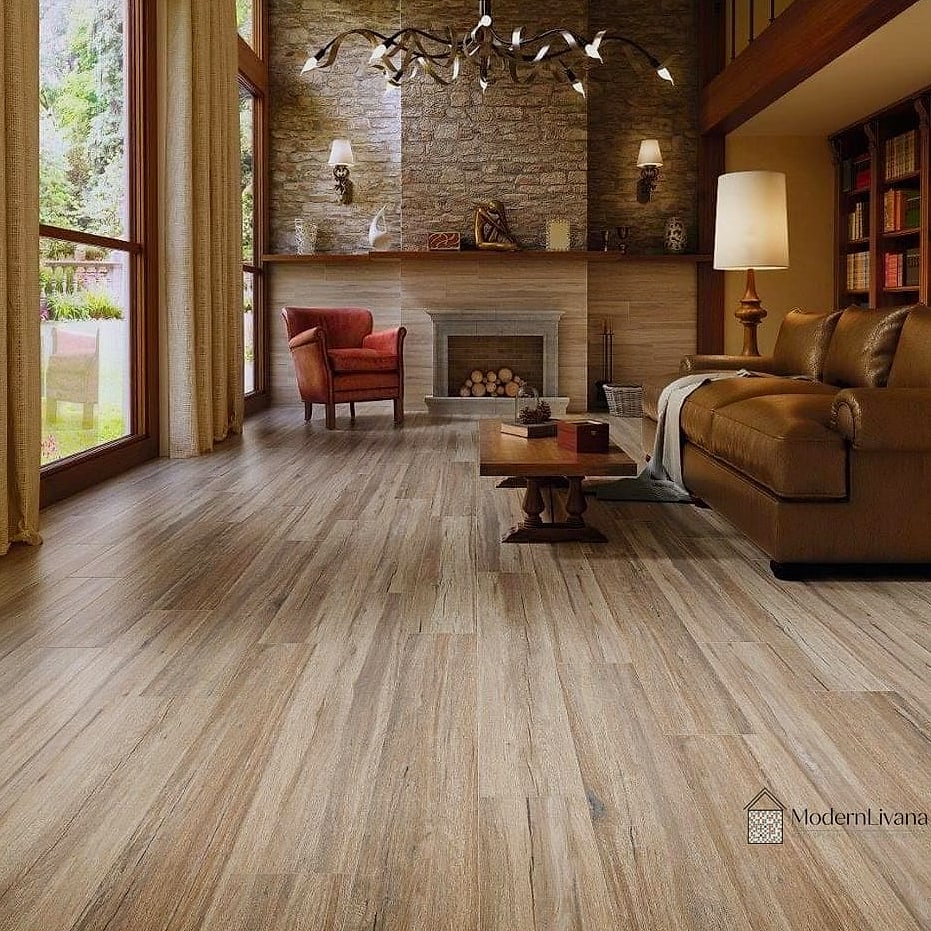
- White Subway Tile with Dark Grout
- Warm Wood Cabinets
- Marble Countertops or Marble-Look Surfaces
- Open Shelving for Everyday Items
- Classic Shaker Cabinets
- Statement Kitchen Islands
- Layered Kitchen Lighting
- Herringbone Tile Patterns
- Built-In Pantry Storage
- Neutral Color Palettes with Texture
- Mixed Metal Hardware
- Butcher Block Countertop Accents
- Glass Cabinet Doors
- Black Kitchen Fixtures
- Natural Stone Backsplashes
- Hidden Appliance Storage
- Cozy Breakfast Nooks
- Tall Cabinets That Use Vertical Space
- Vintage-Inspired Kitchen Details
- Textured Tile Walls
- Farmhouse Sinks with Modern Styling
- Built-In Seating and Storage Benches
- Indoor Greenery and Herb Gardens
- Personalized Kitchen Collections
- Classic Flooring Choices
24 Classic Kitchen Ideas Worth Stealing From Interior Designers
A beautiful kitchen rarely comes from following every new trend that appears. The spaces that feel inviting year after year usually combine smart layouts, practical storage, quality materials, and a few thoughtful design details. Interior designers often rely on classic choices because they work with different homes, budgets, and lifestyles.
These 24 Classic Kitchen Ideas Worth Stealing From Interior Designers focus on details that make kitchens easier to use and more enjoyable to live with. From cabinet colors to lighting tricks and storage solutions, these ideas can inspire a small refresh or a complete renovation.
White Subway Tile with Dark Grout
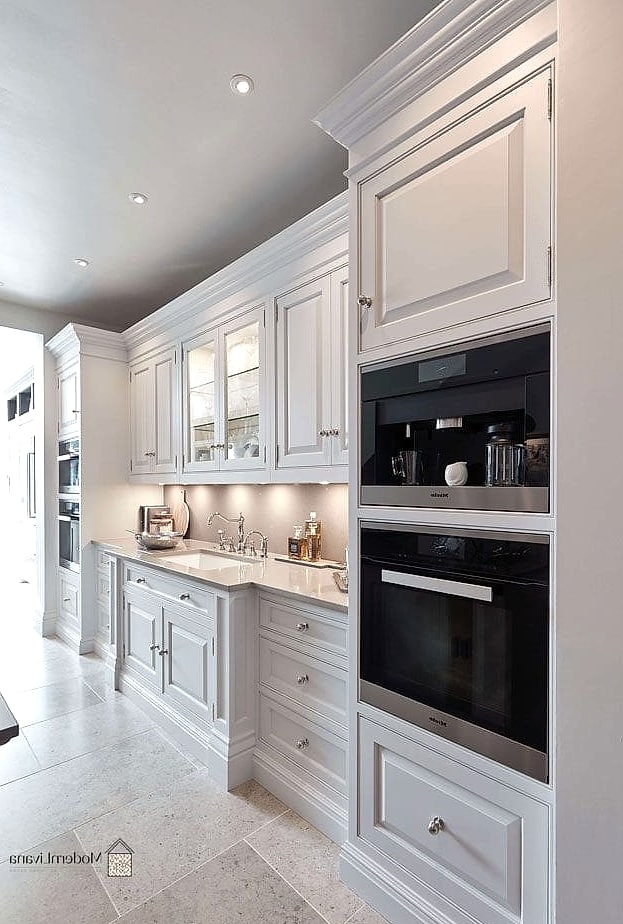
A white subway tile backsplash is a favorite for a reason. The simple rectangular shape creates a clean backdrop, while dark grout adds contrast and makes the pattern stand out. It works especially well in traditional, farmhouse, and transitional kitchens.
Interior designers often use this combination behind ranges or across an entire wall because it feels polished without overwhelming the room. Ceramic tile is affordable, durable, and easy to replace if needed. For a softer look, choose warm white tiles with gray grout instead of bright white and black.
Warm Wood Cabinets
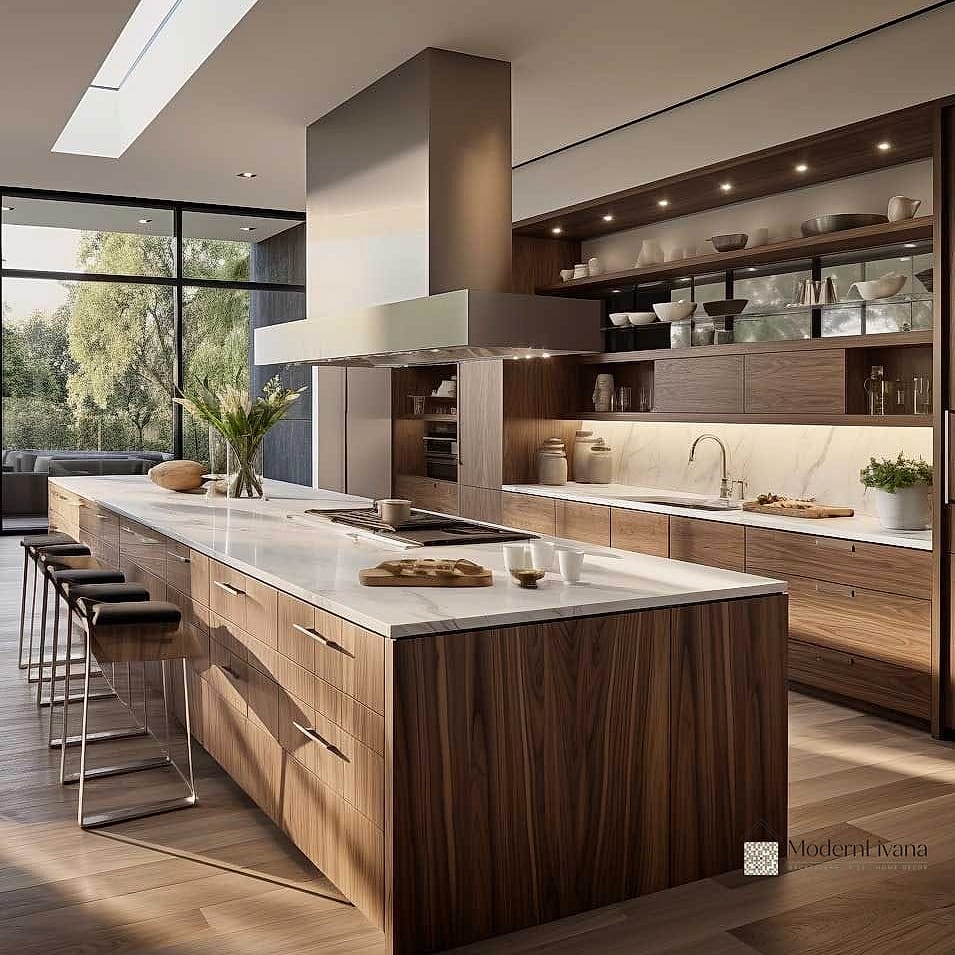
Wood cabinets bring natural texture and warmth into kitchens that might otherwise feel cold. Oak, walnut, maple, and white oak are especially popular because their grain adds visual interest without needing extra decoration.
This idea works well in both large kitchens and smaller spaces because wood tones create a welcoming atmosphere. Pair warm wood cabinets with quartz countertops, matte black fixtures, or neutral backsplashes for a balanced look. A budget-friendly option is updating existing cabinets with a wood-tone finish or replacing only the cabinet fronts.
Marble Countertops or Marble-Look Surfaces
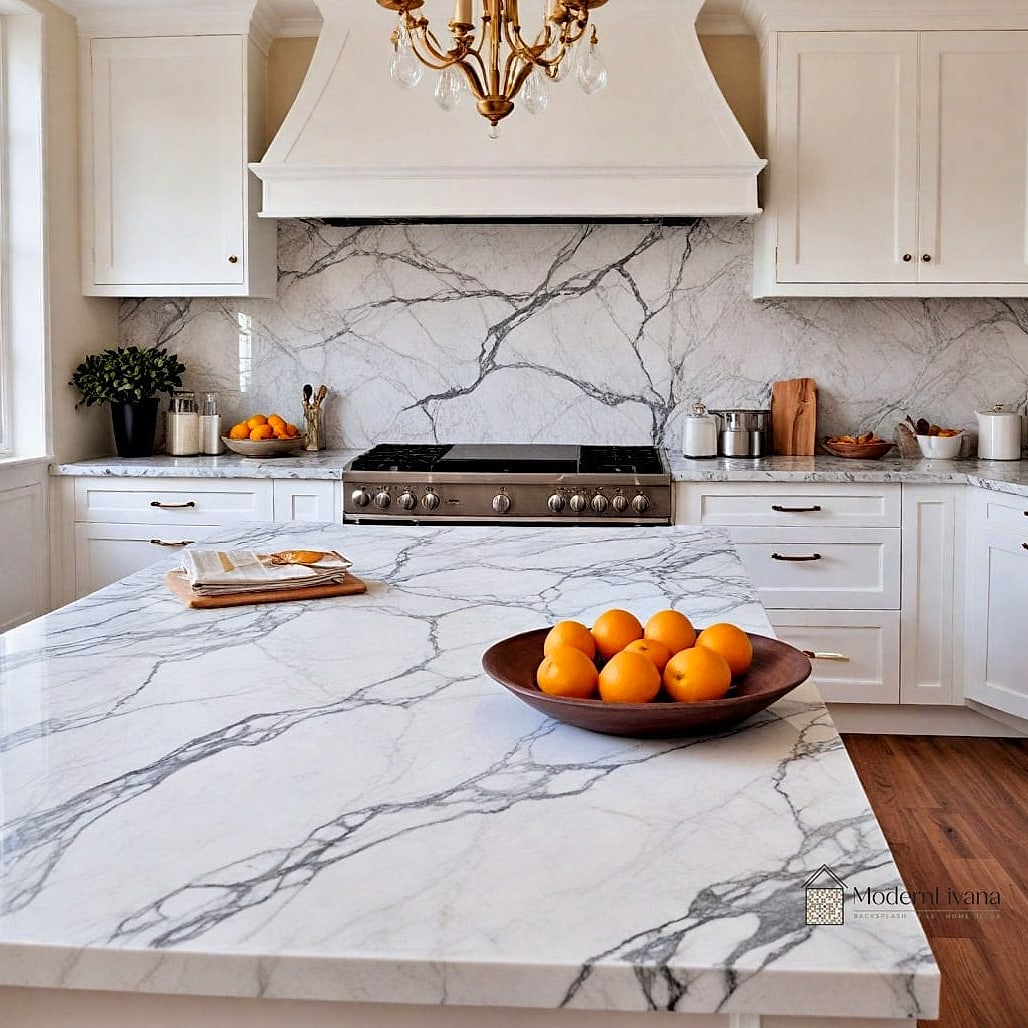
Marble has long been associated with classic kitchen design because of its natural movement and soft veining. Designers often use it on islands, baking stations, or smaller countertop areas where the material can become a focal point.
Natural marble requires regular sealing and more careful maintenance, especially around acidic foods. For busy households, quartz countertops with a marble appearance can provide a similar look with easier upkeep. Both options pair beautifully with brass hardware, white cabinetry, and layered lighting.
Open Shelving for Everyday Items
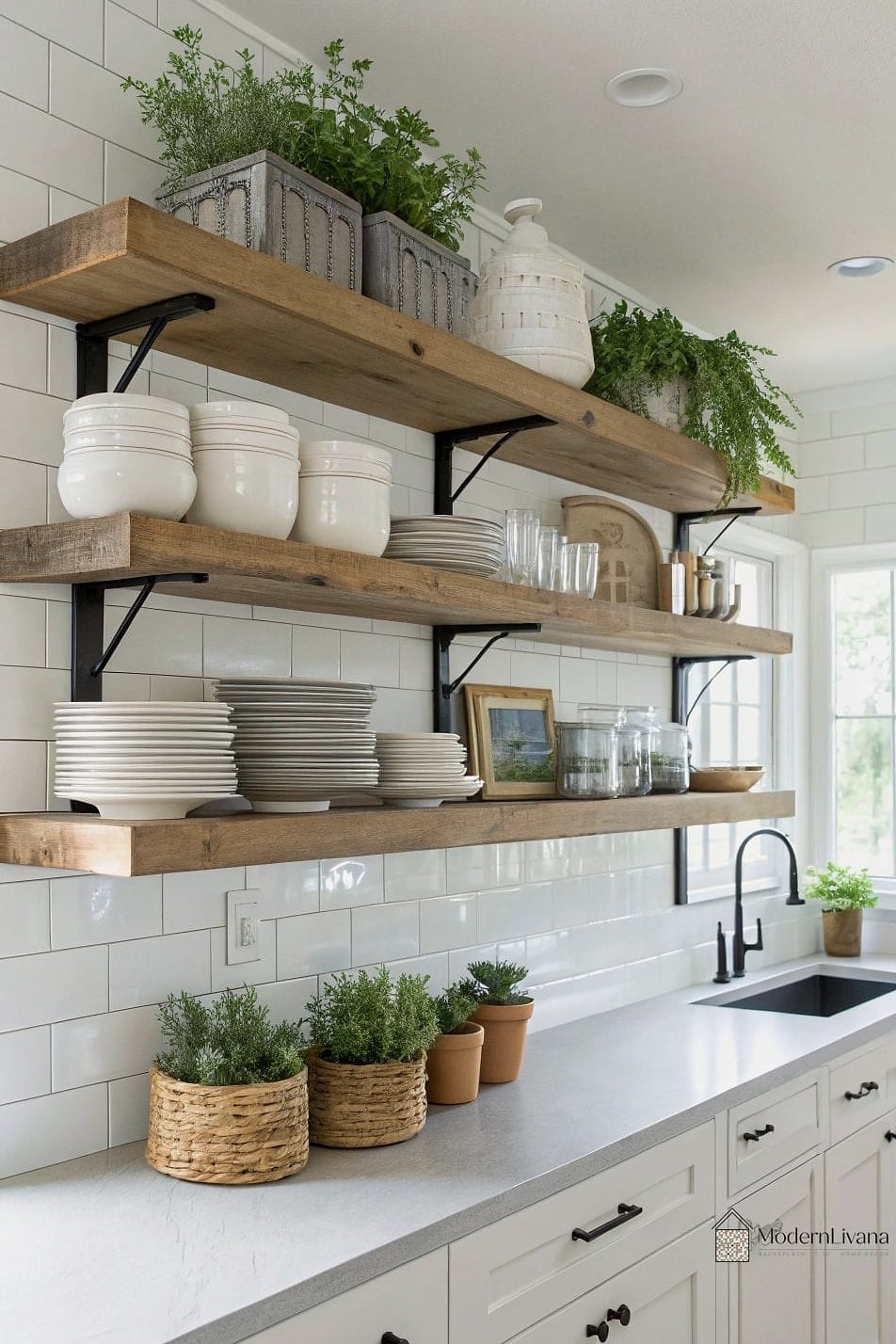
Open shelving gives kitchens a lighter, more relaxed feeling. Instead of hiding everything behind cabinet doors, homeowners can display favorite dishes, glassware, cookbooks, and decorative pieces.
This idea works best when shelves are styled intentionally. A few wooden shelves with ceramic bowls, greenery, and neutral-colored accessories can create a designer-inspired look. Keep in mind that open shelves require more frequent dusting, so they are often best used for items you reach for regularly rather than rarely used pieces.
Classic Shaker Cabinets
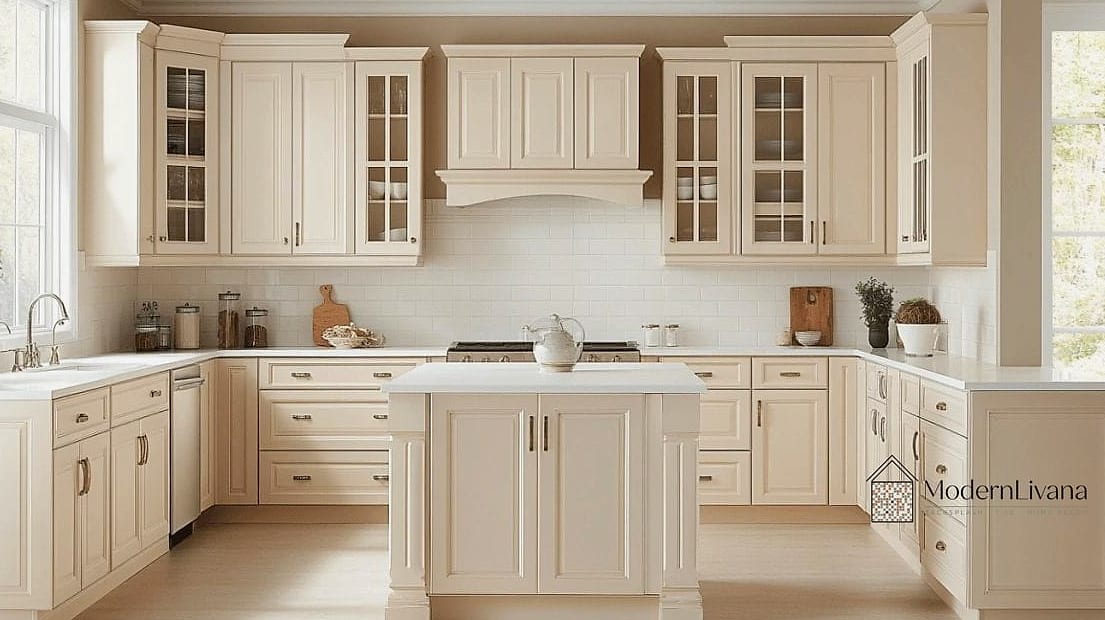
Shaker cabinets remain one of the most adaptable kitchen choices because their simple frame-and-panel design fits many styles. They work in farmhouse kitchens, modern spaces, coastal homes, and traditional interiors.
White shaker cabinets create a bright appearance, while navy, sage green, or charcoal versions add personality without feeling dated. Designers often recommend shaker doors because they provide a custom look at many price points. They also work well with different hardware styles, from brushed brass pulls to simple black knobs.
Statement Kitchen Islands
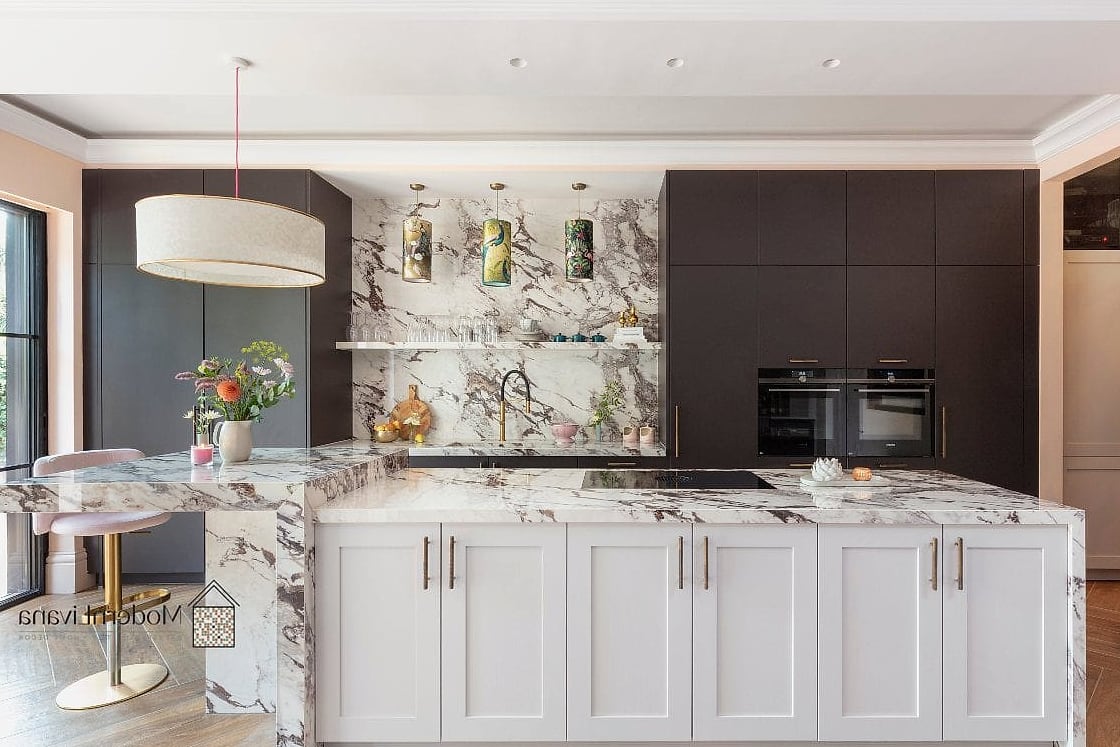
A kitchen island can become the gathering spot of the entire home when designed thoughtfully. Interior designers often use islands to add seating, storage, prep space, and a visual centerpiece.
A contrasting island color, such as deep green cabinetry paired with lighter perimeter cabinets, creates depth. Larger kitchens may include waterfall quartz edges or built-in appliances, while smaller kitchens can use narrow islands or movable carts. The best island designs balance appearance with practical workflow.
Layered Kitchen Lighting
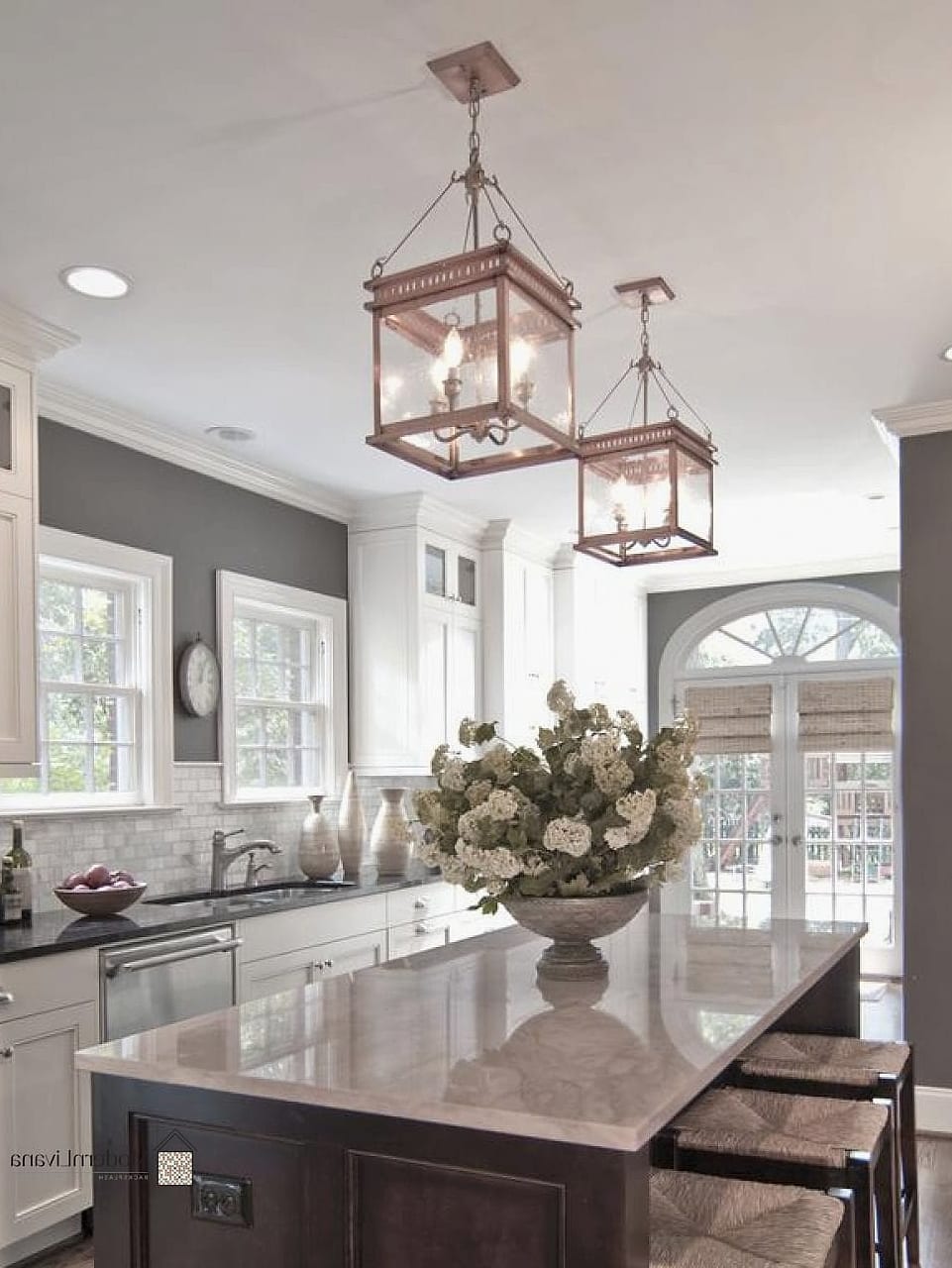
Good lighting can completely change how a kitchen feels and functions. Designers rarely rely on one ceiling fixture alone. Instead, they combine recessed lighting, pendant lights, under-cabinet lighting, and decorative fixtures.
Layered lighting works in kitchens of every size. LED strips under cabinets improve food preparation areas, while pendant lights above an island add warmth. Choose fixtures with finishes that coordinate with your hardware, such as brushed brass, bronze, or black metal. Smart bulbs can also make adjusting brightness easier throughout the day.
Herringbone Tile Patterns
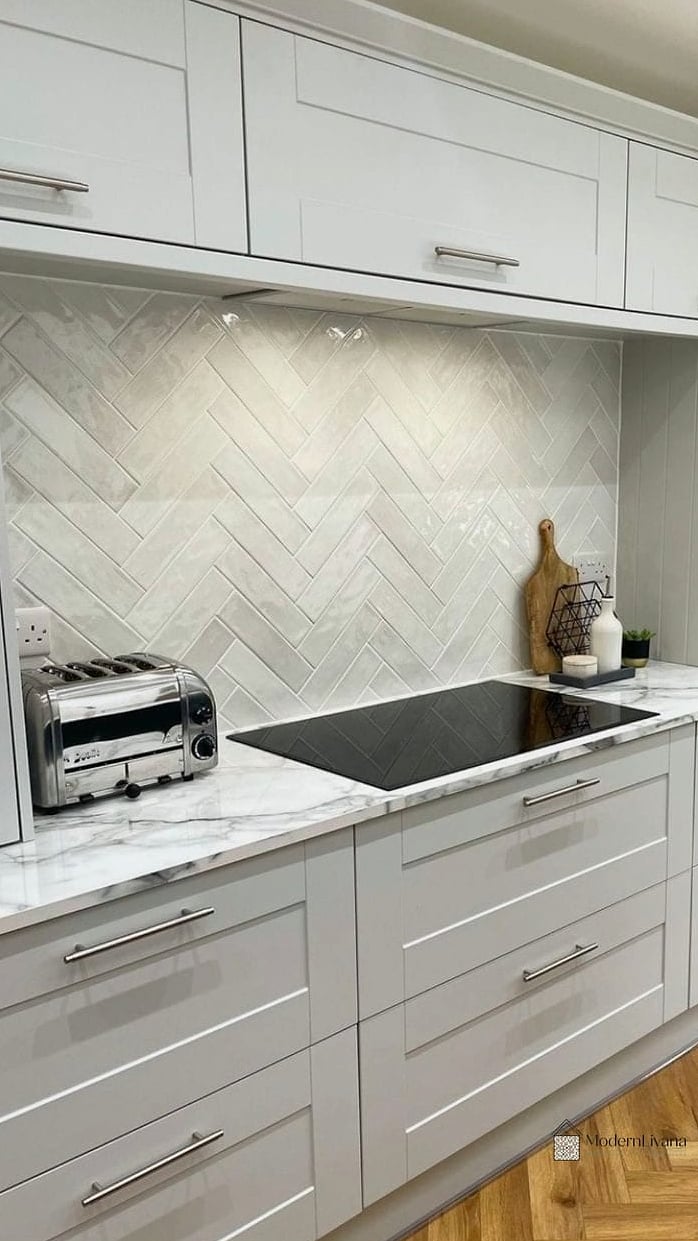
A herringbone pattern adds movement and craftsmanship to a kitchen backsplash without requiring bold colors. The angled arrangement of subway tile, marble tile, or porcelain tile creates a custom appearance.
This style works especially well in smaller kitchens because the pattern draws the eye and adds detail without taking up space. Installation usually costs more than a standard stacked layout because cutting requires extra precision. For a lower-cost update, peel-and-stick tile options can create a similar effect.
Built-In Pantry Storage

A well-designed pantry can make everyday cooking much easier. Interior designers often include built-in pantry cabinets with adjustable shelves, pull-out drawers, and dedicated storage zones.
This idea works beautifully for busy families because everything has a place. Use baskets for snacks, bins for baking supplies, and drawer organizers for smaller kitchen tools. Even kitchens without a walk-in pantry can benefit from tall cabinet storage with pull-out shelves. Good organization often matters more than having a huge amount of space.
Neutral Color Palettes with Texture
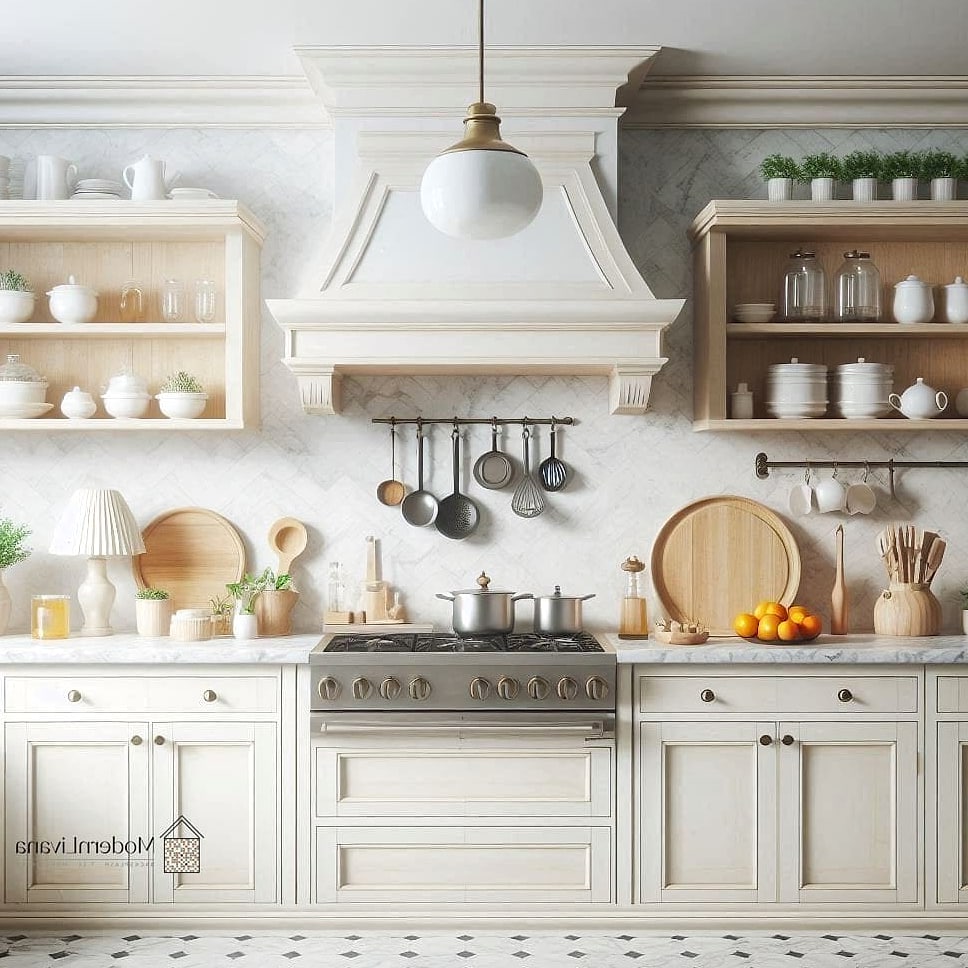
Neutral kitchens do not have to feel plain. Designers create interest by combining different textures, including natural stone, wood accents, ceramic tile, woven baskets, and matte finishes.
A palette of cream, beige, soft gray, and warm white can feel comfortable and flexible. Add character through textured finishes rather than relying only on color. For example, a zellige tile backsplash with handmade variation can add depth while keeping the overall look calm.
Mixed Metal Hardware
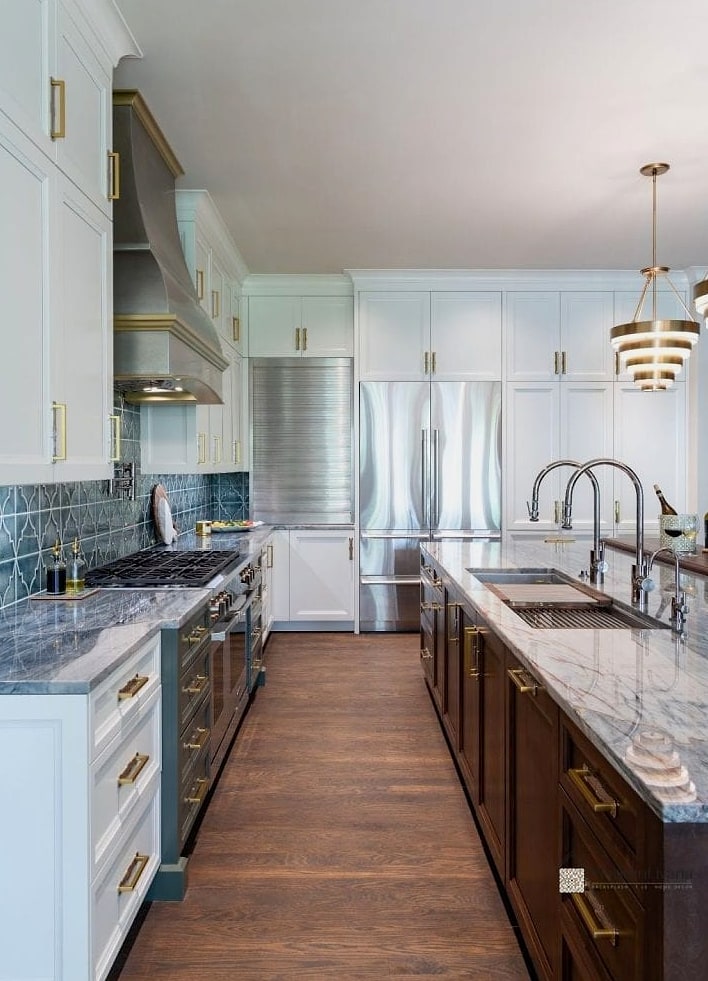
Using more than one metal finish can make a kitchen feel collected and intentional. Designers often combine brushed brass cabinet pulls with black faucets or stainless steel appliances.
The key is repeating each finish enough times so the room feels connected. Mixed metals work especially well in kitchens with neutral cabinets because hardware becomes part of the decoration. Choose durable finishes that are easy to clean, especially around areas where fingerprints and water spots are common.
Butcher Block Countertop Accents
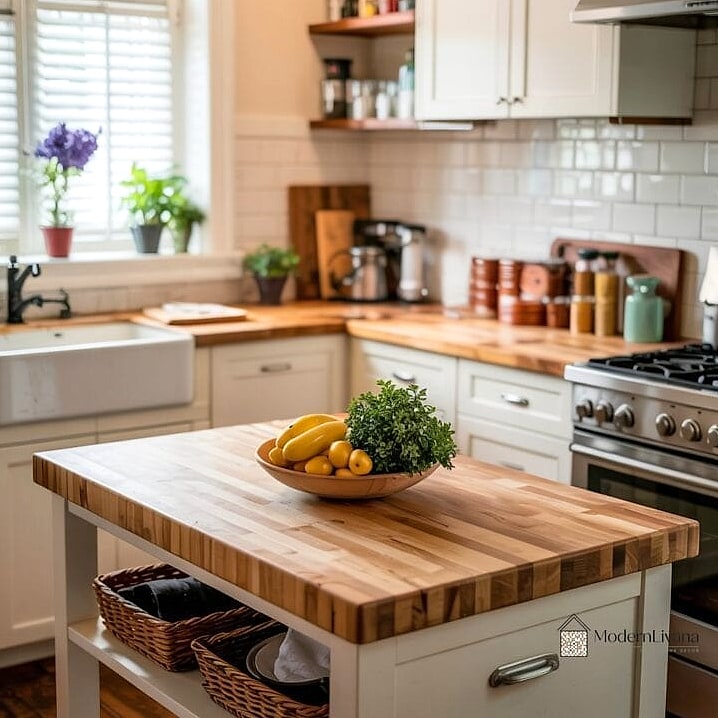
Butcher block countertops add warmth and a natural element that balances harder surfaces like stone and metal. Many designers use them on islands, breakfast bars, or small prep areas rather than throughout the entire kitchen.
Wood surfaces need regular care, including occasional oiling, but they can be repaired more easily than some countertop materials. They are also a great choice for homeowners who enjoy a cozy, cottage-inspired style. Pair butcher block with painted cabinets for a comfortable contrast.
Glass Cabinet Doors
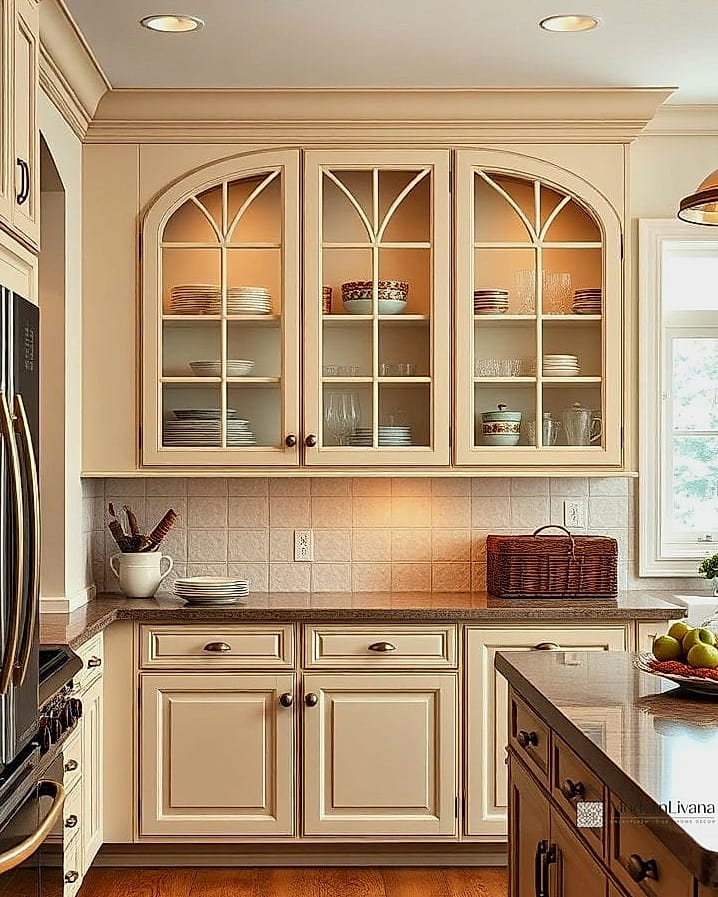
Glass-front cabinets create a more open feeling while still providing storage. They are especially useful for displaying attractive dishes, vintage pieces, or glassware collections.
Designers often use glass doors on upper cabinets to break up long walls of solid cabinetry. Clear glass creates a traditional appearance, while textured or frosted glass offers a little more privacy. This option works best when shelves are organized because everything inside becomes part of the room’s design.
Black Kitchen Fixtures
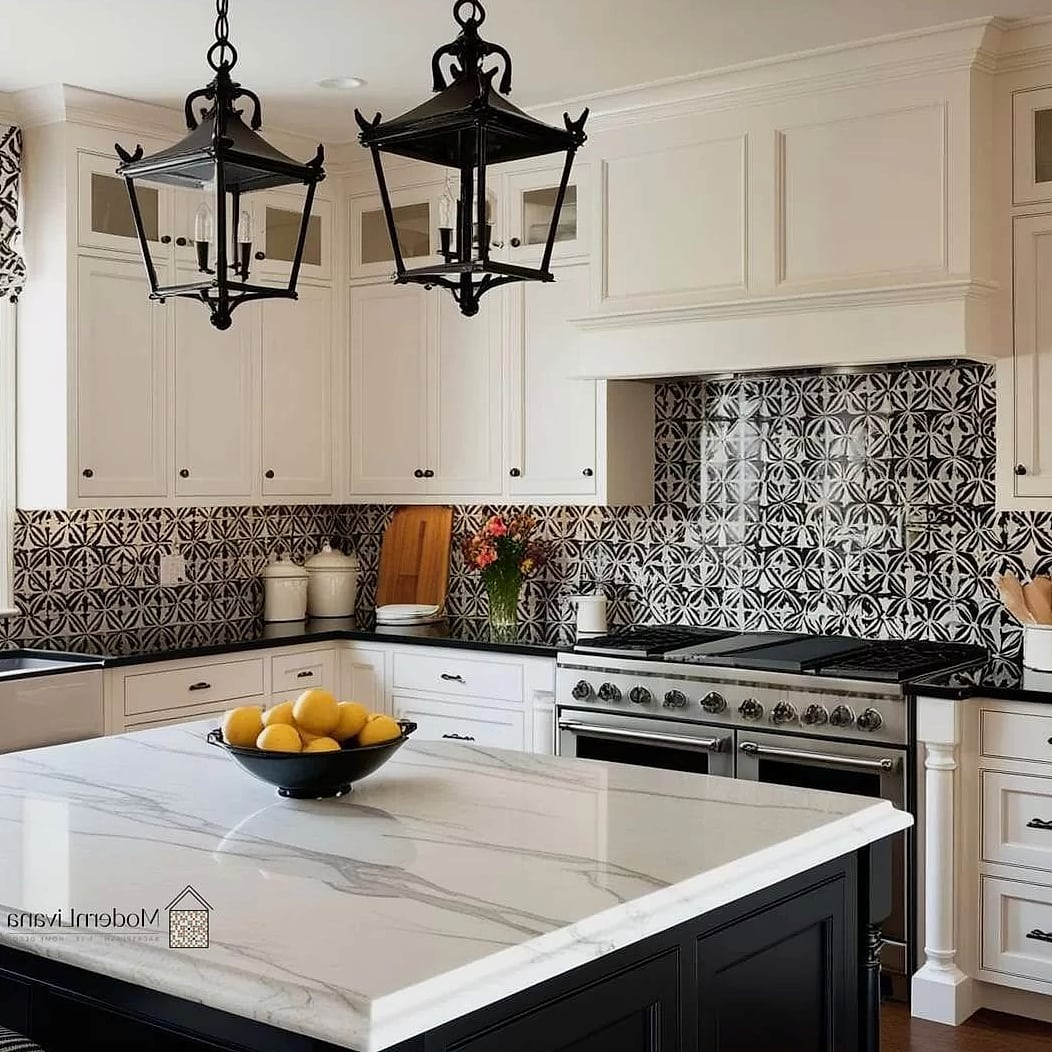
Black faucets, cabinet handles, and lighting fixtures add contrast and structure to classic kitchens. They work particularly well with white cabinets, natural wood, and neutral tile.
Matte black finishes are popular because they hide some fingerprints better than glossy surfaces. However, they still need regular wiping in areas exposed to water and cooking residue. This idea is a simple way to update a kitchen without replacing major features.
Natural Stone Backsplashes
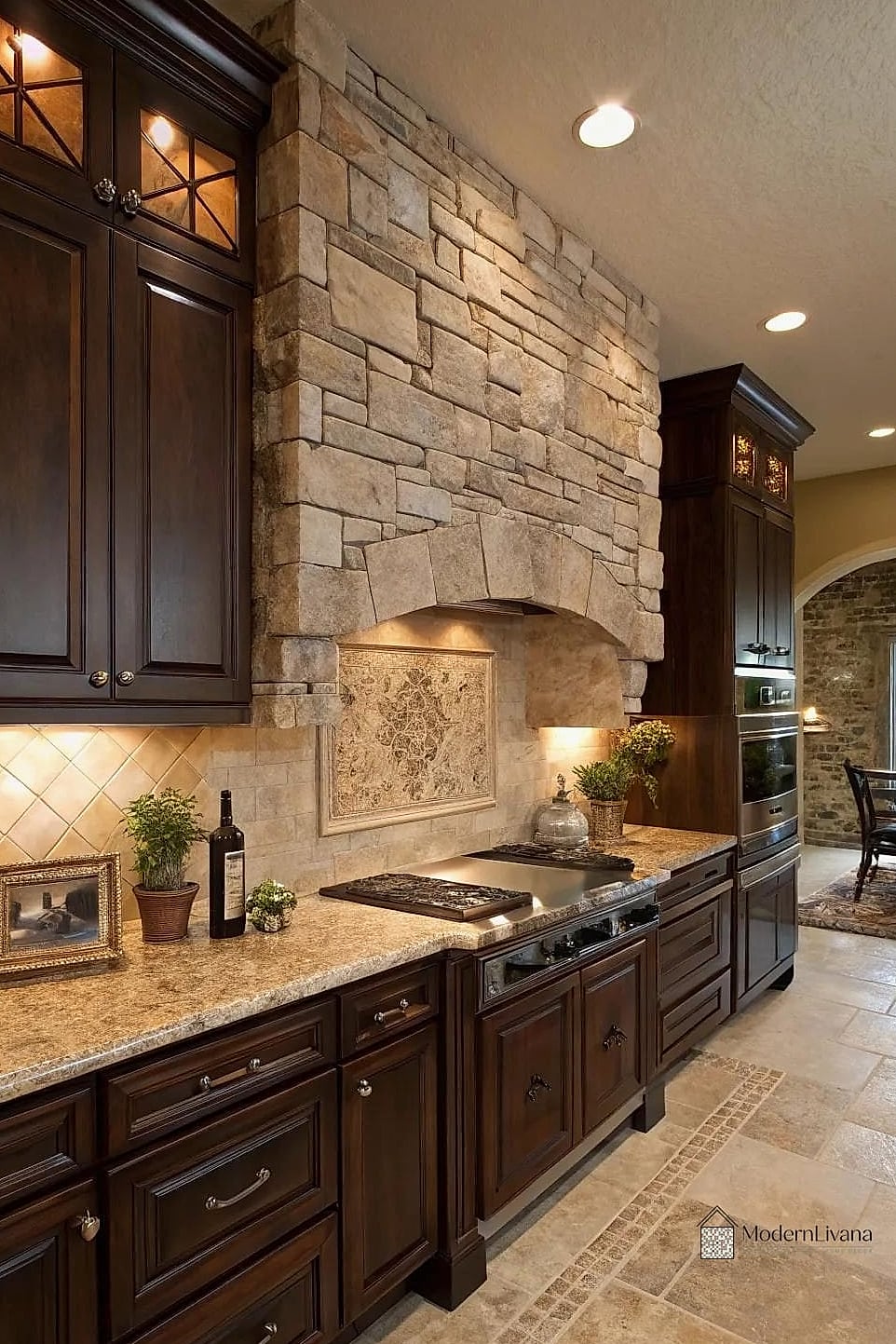
A natural stone backsplash can create a strong focal point behind the range or across an entire kitchen wall. Materials like marble, quartzite, and limestone provide unique patterns that cannot be exactly duplicated.
Because stone varies naturally, every installation has its own appearance. Designers often recommend using simpler cabinets and countertops when the backsplash has strong movement. For a smaller budget, stone-look porcelain tile can provide a similar visual effect with easier maintenance.
Hidden Appliance Storage
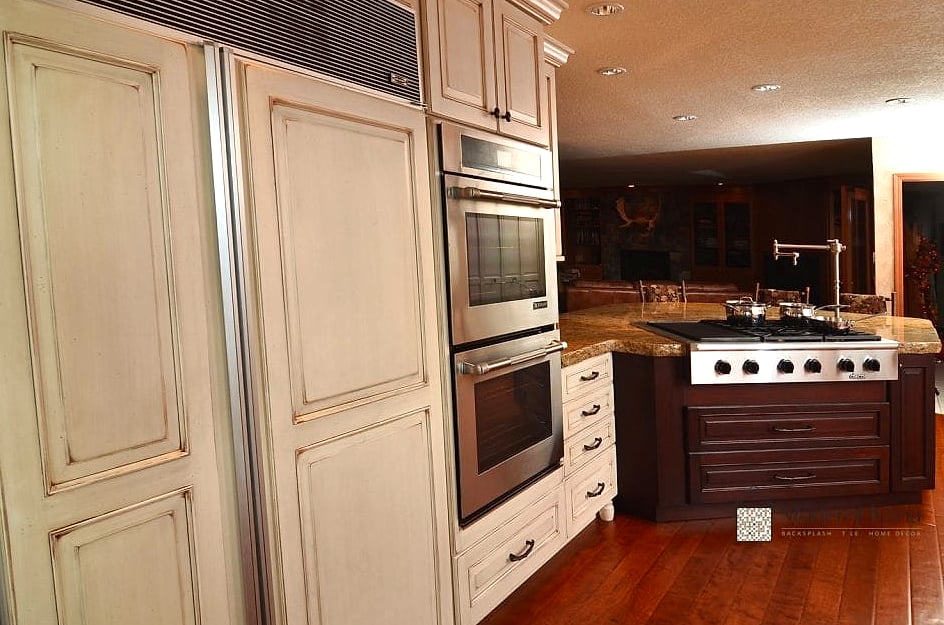
Many designer kitchens hide small appliances behind cabinet doors or in dedicated appliance garages. This keeps countertops cleaner and reduces visual clutter.
The idea works well for coffee makers, toasters, mixers, and other frequently used items. Built-in storage systems can include outlets inside cabinets so appliances remain ready without taking over the workspace. Even renters can apply this concept with countertop organizers or attractive storage cabinets.
Cozy Breakfast Nooks
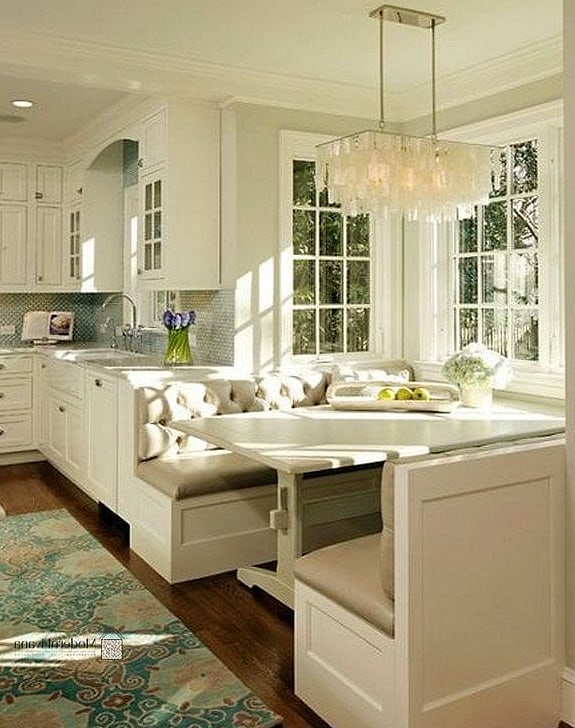
A breakfast nook adds charm and creates a comfortable place for casual meals. Designers often use built-in benches with cushions to maximize seating in smaller kitchens.
This idea works especially well near windows where natural light can make the space feel inviting. Add washable fabrics, storage drawers beneath benches, and a small table that fits the room size. A simple nook can become a favorite spot for morning coffee, homework, or family conversations.
Tall Cabinets That Use Vertical Space
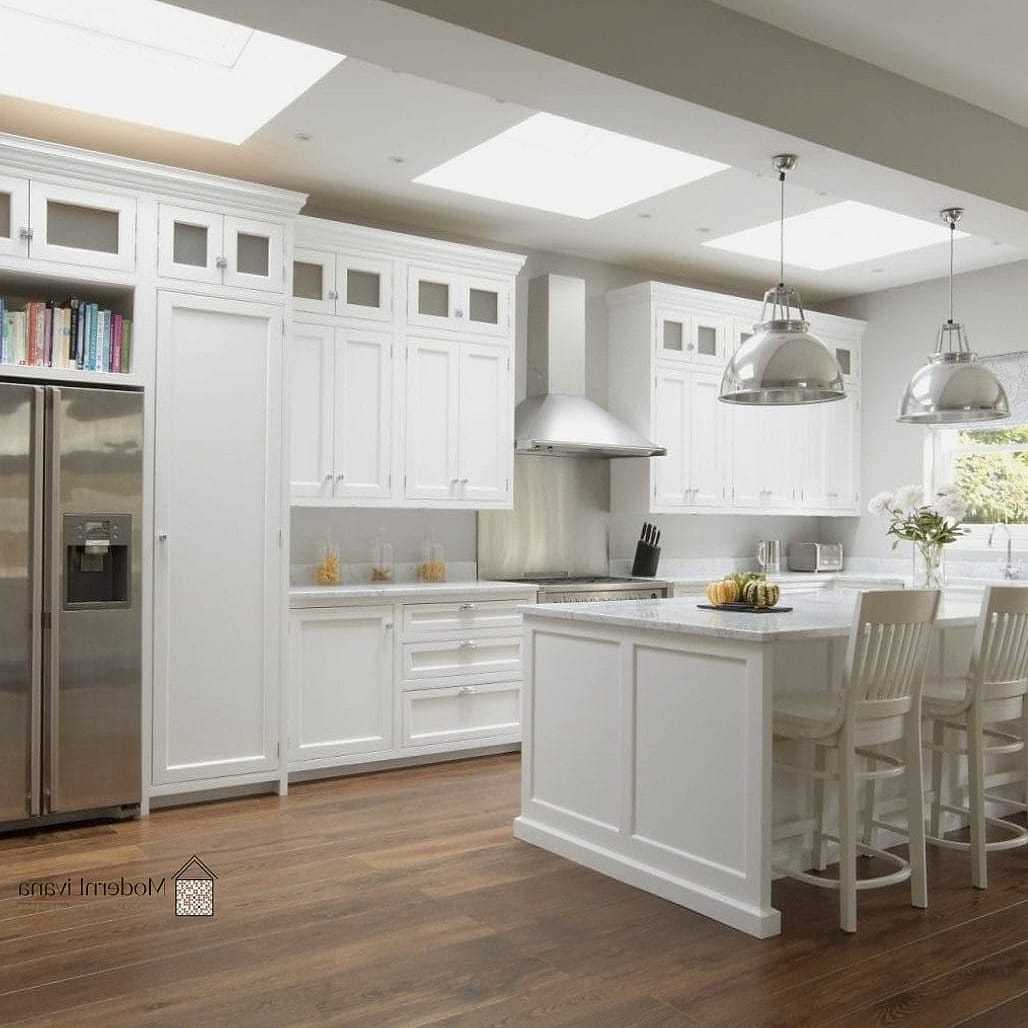
Tall cabinets help kitchens feel organized by taking advantage of unused wall space. Designers often use them for pantry storage, small appliances, or seasonal cookware.
This approach is especially helpful in smaller kitchens where floor space is limited. Use the highest shelves for items you rarely need and keep daily essentials within easy reach. A small folding step stool can make upper storage more practical while maintaining a clean appearance.
Vintage-Inspired Kitchen Details
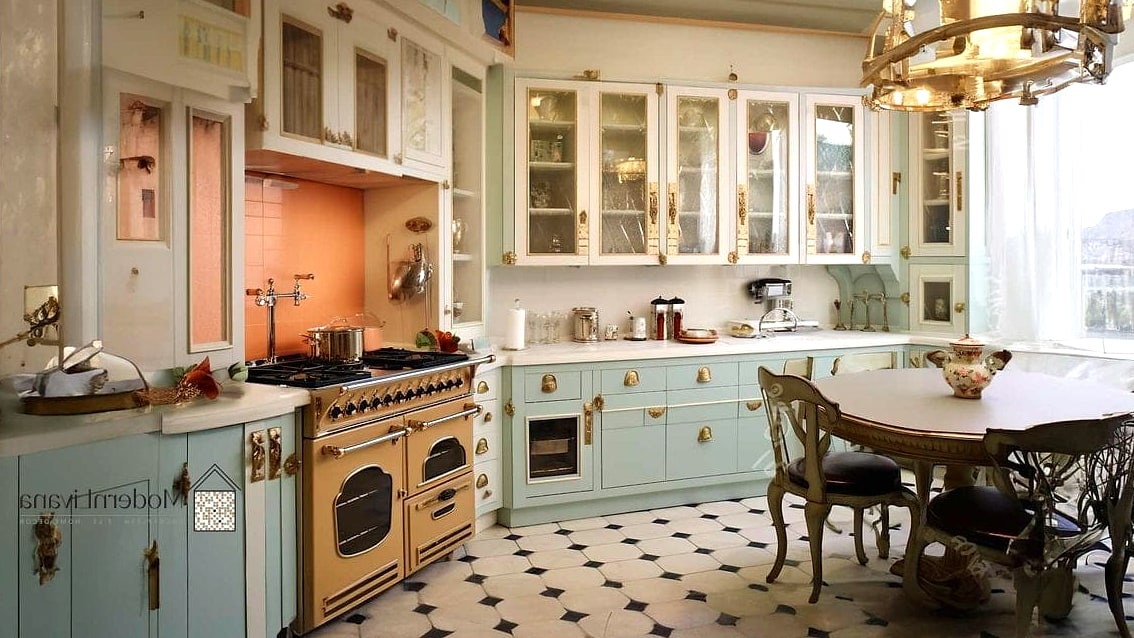
Classic kitchens often include a few vintage touches that make the space feel personal. These might include antique-style hardware, a farmhouse sink, retro lighting, or reclaimed wood accents.
The goal is not to make the room look like a museum. A few carefully chosen details can add character while keeping the kitchen functional. Combine vintage elements with modern appliances and durable materials for a comfortable balance.
Textured Tile Walls
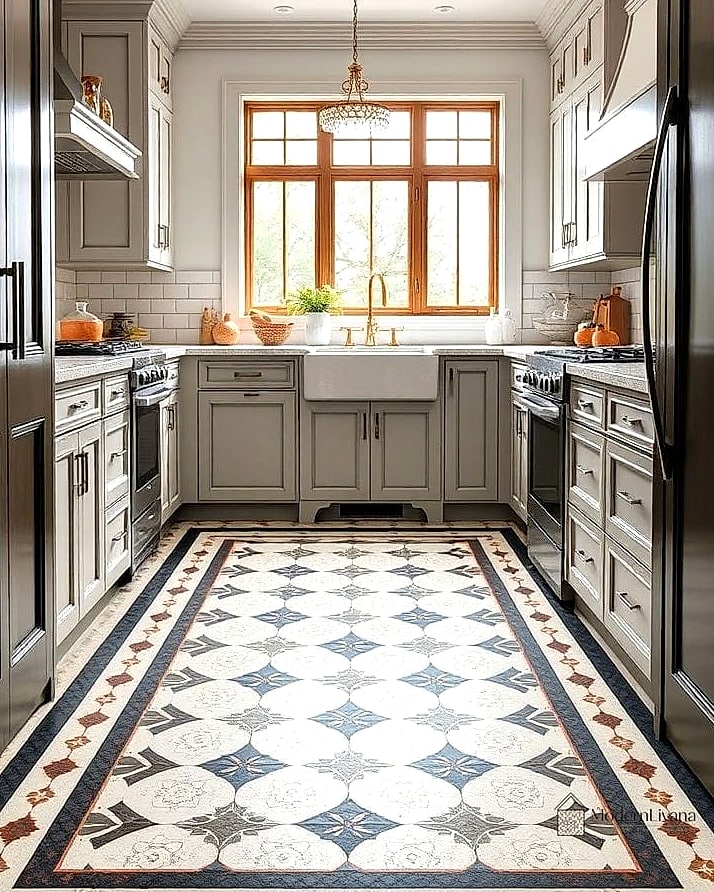
Textured finishes add dimension and make kitchens feel more customized. Zellige tile, handmade ceramic tile, and raised-pattern tiles create surfaces that catch light differently throughout the day.
This idea works well in kitchens with simple cabinetry because the wall becomes a subtle design feature. Textured tiles may require more attention during cleaning because uneven surfaces can collect residue. Using them away from heavy cooking areas can reduce maintenance.
Farmhouse Sinks with Modern Styling
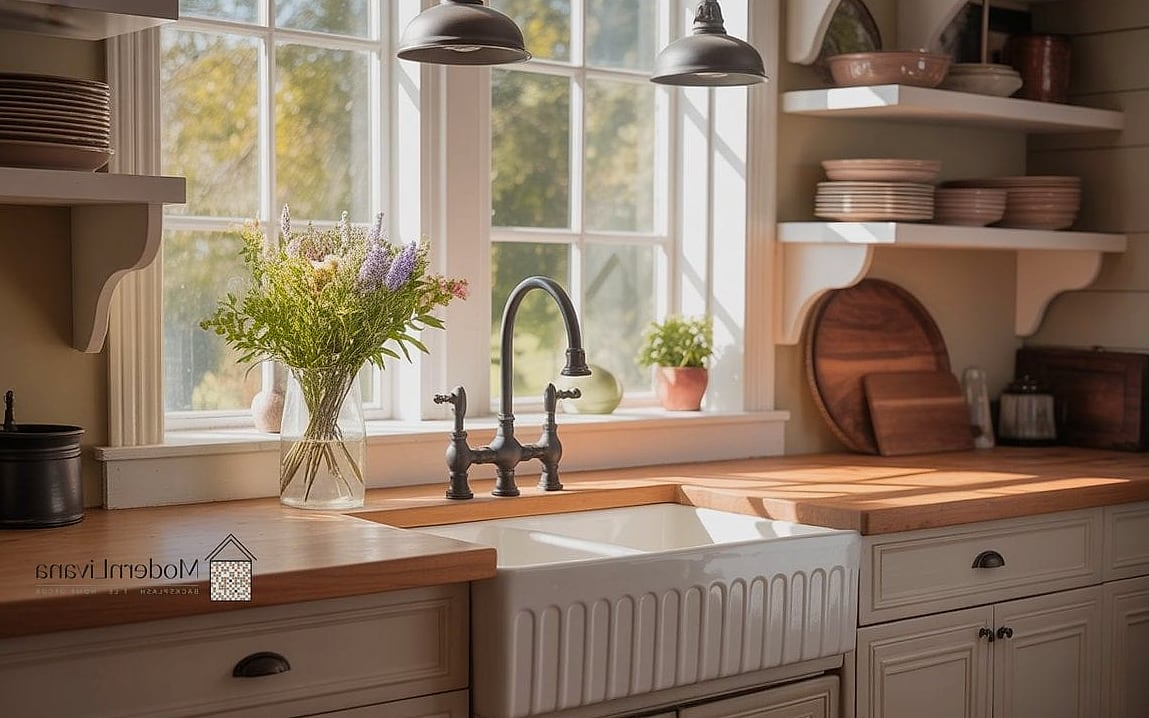
Farmhouse sinks remain popular because they combine practicality with a classic appearance. Their deep basin makes washing large pots, baking trays, and oversized dishes easier.
Modern versions come in materials like fireclay, stainless steel, and composite finishes. Designers often pair them with shaker cabinets, wood accents, and simple backsplashes. They work in both rural-inspired kitchens and more modern spaces when the surrounding details are kept clean and simple.
Built-In Seating and Storage Benches
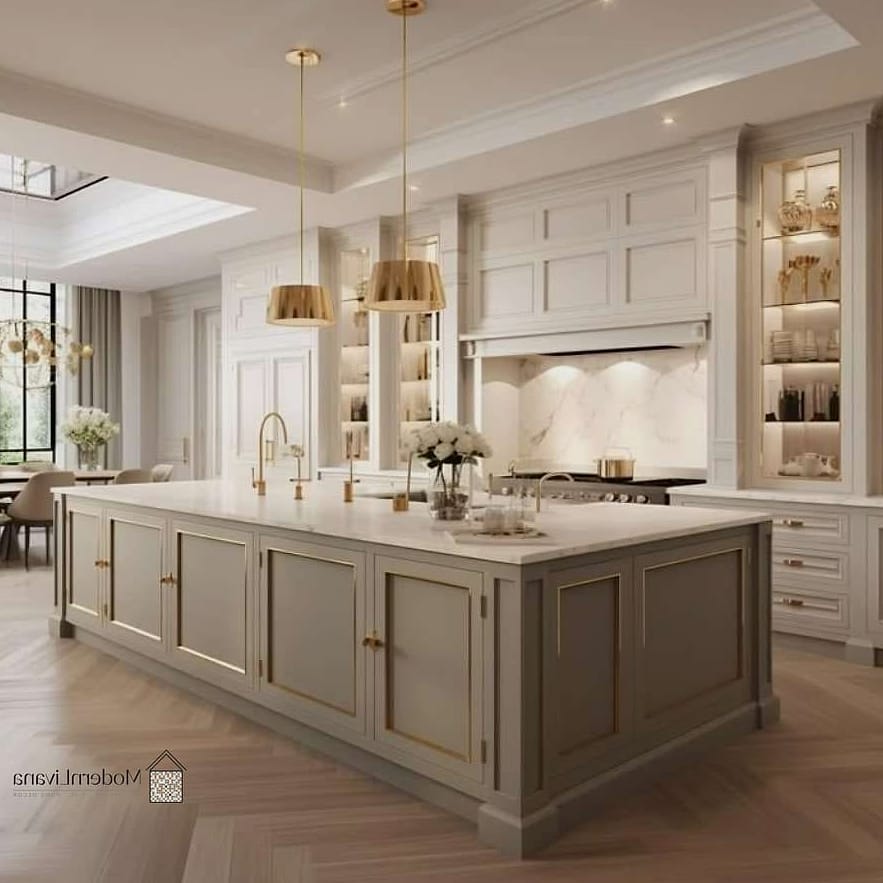
A built-in bench can solve two problems at once by adding seating and hidden storage. Designers use these features near dining areas, windows, or unused corners.
Storage benches are excellent for families because they can hold cookbooks, table linens, games, or rarely used kitchen equipment. Add baskets inside open sections for a tidy appearance. Cushioned seating also softens kitchens filled with hard surfaces like stone, tile, and cabinetry.
Indoor Greenery and Herb Gardens
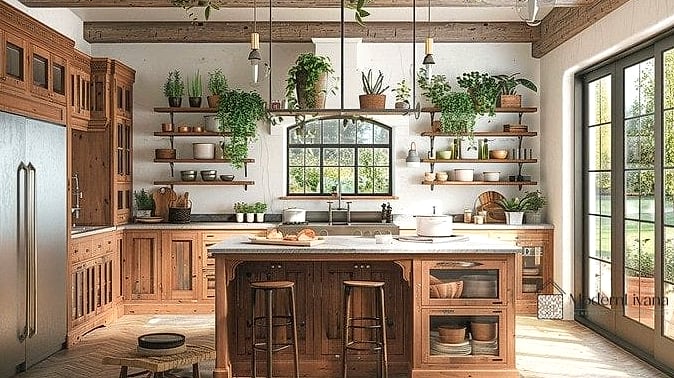
Plants bring life into kitchen spaces and help soften the appearance of cabinets and countertops. Designers often add small herb gardens near windows or use hanging plants to add height.
Low-maintenance options like herbs, pothos, and small leafy plants work well for many households. Use simple ceramic pots, wooden planters, or built-in shelves to create a natural touch. Besides decoration, fresh herbs can make cooking feel more enjoyable and convenient.
Personalized Kitchen Collections
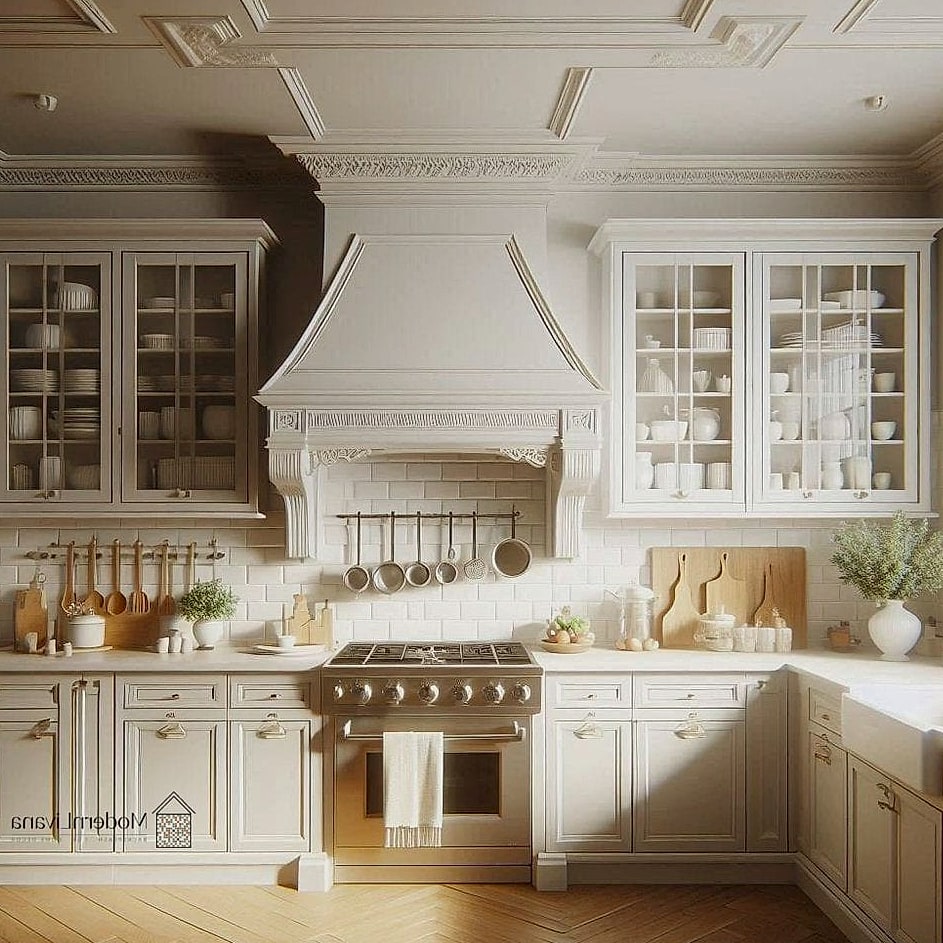
The most memorable kitchens usually include items that reflect the people who use them. Interior designers often encourage homeowners to display meaningful pieces instead of creating a space that feels like a showroom.
A favorite ceramic bowl, family artwork, vintage cutting board, or collection of cookbooks can make the room feel lived-in. Combine personal items with practical storage systems, durable materials, and a thoughtful layout. The result is a kitchen that looks beautiful because it works for real life.
Classic Flooring Choices
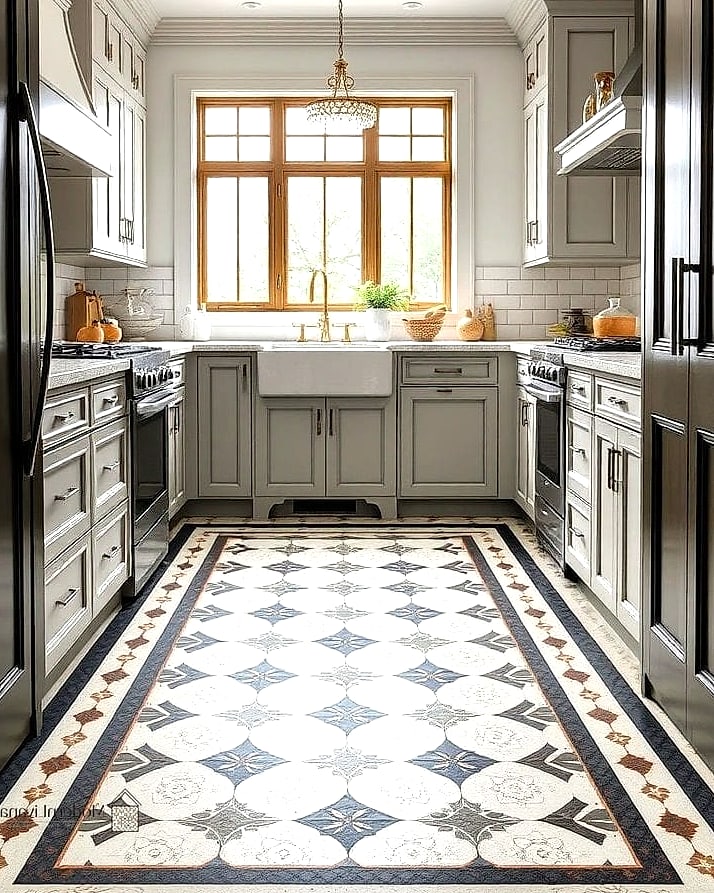
Flooring sets the foundation for the entire kitchen design. Designers often choose durable options such as porcelain tile, natural stone, hardwood, or high-quality luxury vinyl that can handle daily activity.
Neutral flooring colors help the room stay flexible as styles change. Large-format porcelain tile can create a clean modern appearance, while warm wood tones add comfort. Consider pets, children, cleaning routines, and moisture exposure when selecting materials. The best flooring choice combines appearance with everyday practicality.
These 24 Classic Kitchen Ideas Worth Stealing From Interior Designers show that great kitchen design is often about thoughtful choices rather than complicated upgrades. A well-planned backsplash, smarter storage, better lighting, or warmer materials can make a noticeable difference.
The most successful kitchens balance beauty with function. Start with the ideas that fit your lifestyle, budget, and home’s architecture, then add personal details that make the space feel like your own.